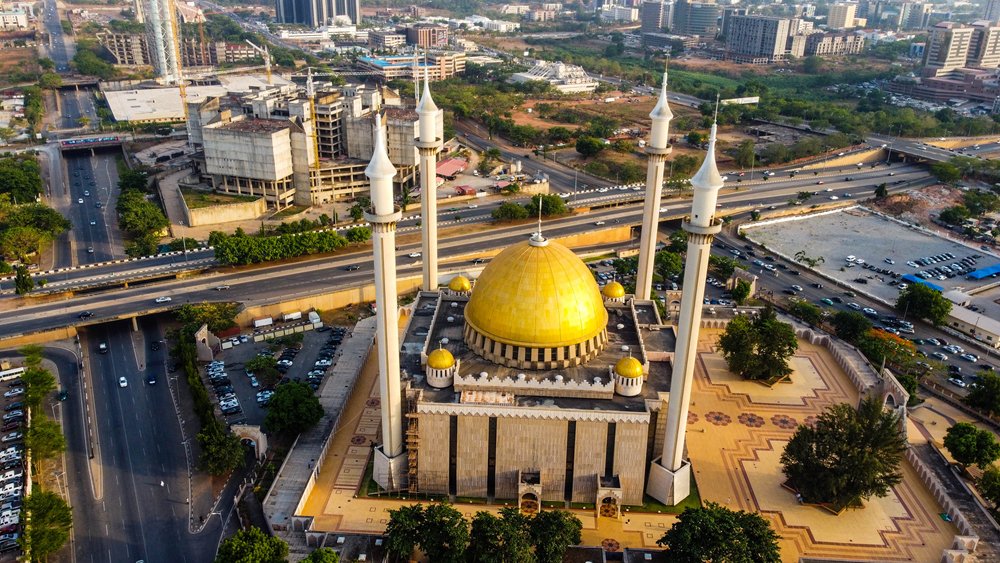
₦30 billion. That’s the asking ceiling for a mega-compound on Ministers Hill, Maitama, in 2026, according to GoBook’s celebrity property analysis. Land alone on Ministers Hill now sells for ₦400–800 million per 1,000 sqm plot — the steepest land-to-plot ratio in any African capital.
Abuja is Nigeria’s seat of political power. Its real estate hierarchy mirrors that power exactly: where ministers, diplomats, and oligarchs live is where wealth concentrates. The city’s master plan caps residential land per district — which means these 10 addresses can never expand, only appreciate.
This 2026 ranking combines live pricing data from our Team on Ground and other real estate services
Key Takeaways
- Maitama District leads Abuja with mansions priced ₦5 billion to ₦30 billion and land at ₦400–800 million per 1,000 sqm plot
- Wuse II commands the highest per-square-meter price in Abuja at approximately ₦2.5 million per sqm for apartments
- Maitama delivers Abuja’s highest rental yields at roughly 7.0%, driven by embassy and NGO demand
- Guzape District is the fastest-appreciating Abuja address, with 15–20% annual growth
- The top 10 together absorb 85%+ of Abuja’s luxury property transactions
What Makes an Abuja Neighborhood “Rich”?
A rich Abuja neighborhood is defined by three markers: average property price above ₦250 million, land value above ₦150,000 per square meter, and a resident profile dominated by diplomats, ministers, senior civil servants, or top-tier corporate executives.
Abuja’s master plan divides the Federal Capital Territory into phases and districts. Phase 1 (Maitama, Asokoro, Wuse II, Garki, Guzape) contains the most prestigious addresses. Phase 2 (Jabi, Utako, Mabushi, Katampe, Wuye) delivers balanced modern estates. Phase 3 districts (Gwarinpa, Lokogoma, Life Camp) offer volume at lower entry prices.
According to Our Team’s 2026 analysis, Wuse 2, Guzape, and Maitama hold the three highest per-square-meter prices in Abuja — ranging from ₦1.6 million to ₦2.5 million per sqm depending on building type.
Why Abuja’s Wealth Concentrates So Tightly
Abuja’s property prices rose steadily through 2025, with median flat prices now around ₦120–130 million and median house prices at ₦330–350 million, according to PropertyPro Insider. But the top 10 neighborhoods on this list sit 2x to 100x above those medians.
Three structural factors drive this concentration. First, the FCT master plan caps residential plots per district — once allocated, no new plots are created. Second, diplomatic and government demand is price-inelastic (embassies pay whatever the market demands). Third, Abuja’s security premium means the ultra-wealthy pay heavily for the safest addresses.
Gross rental yields in Maitama hit approximately 7% in 2026, the highest of any Abuja district, according to Nigeria Property Centre data cited by The Africanvestor.
The 10 Richest Real Estate Neighborhoods in Abuja
1. Maitama District — The Apex of Abuja Real Estate
Average property price: ₦800 million – ₦30 billion
Land price per sqm: ₦400,000 – ₦800,000 (Ministers Hill)
Annual rent (luxury 5-bed duplex): ₦50 million – ₦150 million
Who lives here: AA Rano, Dino Melaye, senior federal ministers, embassy ambassadors, oil magnates
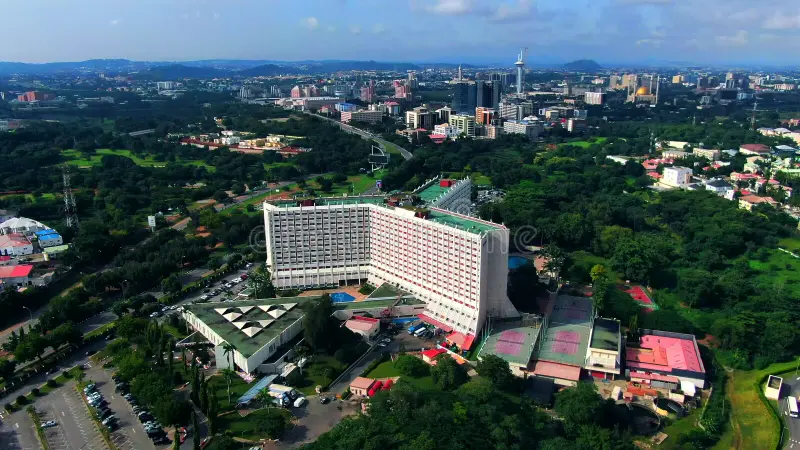
Maitama is Abuja’s undisputed apex. The neighborhood hosts the Transcorp Hilton, Millennium Park, and dozens of embassies. Ministers Hill — Maitama’s most exclusive sub-section — features mega-compounds on 2,000–5,000 sqm plots with helipads, bulletproof security rooms, and private cinemas.
In 2026, Maitama properties list between ₦5 billion and ₦30 billion for premium 7-bedroom compounds. Rental yields hit 7% — the highest in Abuja — because embassies and NGOs pay whatever the market asks for secure, diplomatic-grade residences.
| Abuja Property Watch @AbujaProp “Maitama isn’t a neighborhood. It’s a political statement. Your address determines whether your calls get returned.” |
2. Asokoro — The Power Zone
Average property price: ₦700 million – ₦20 billion
Land price per sqm: ₦250,000 – ₦400,000
Annual rent (luxury 5-bed duplex): ₦50 million – ₦120 million
Who lives here: Aliko Dangote, Abdulsamad Rabiu, former presidents, top-ranking politicians, diplomatic envoys
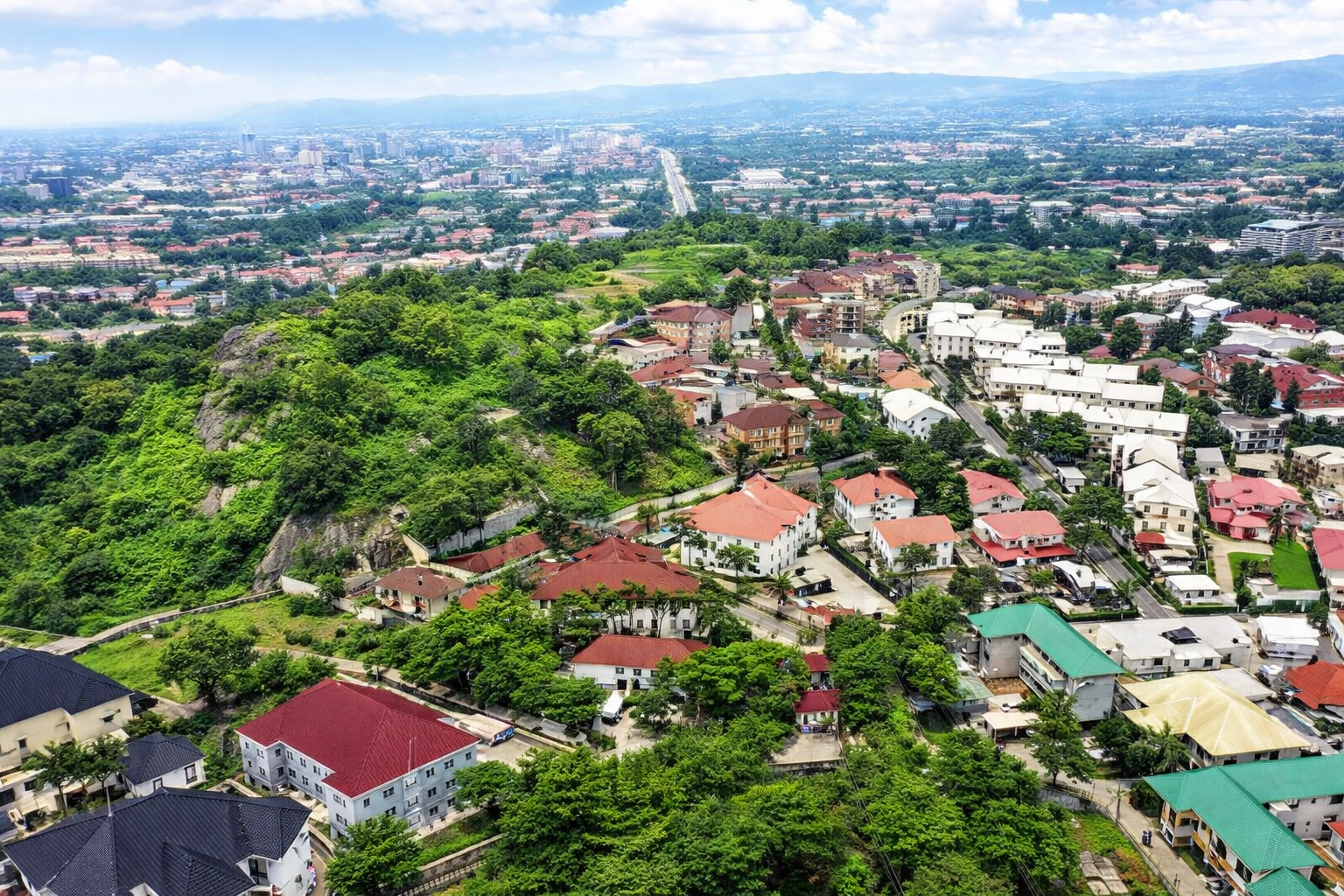
Asokoro is home to the Presidential Villa (Aso Rock), which makes it the most heavily secured neighborhood in Nigeria. The district’s hilly terrain offers panoramic views of Abuja, and Aso Drive — Asokoro’s most exclusive extension — is effectively invitation-only real estate.
Asokoro properties rarely hit the open market. When they do, they transact quietly between individuals of extraordinary means, according to GoBook’s 2026 celebrity home analysis. Land here remains slightly cheaper than Maitama per square meter, but the scarcity premium runs higher.
3. Guzape District — The Fastest-Appreciating Address
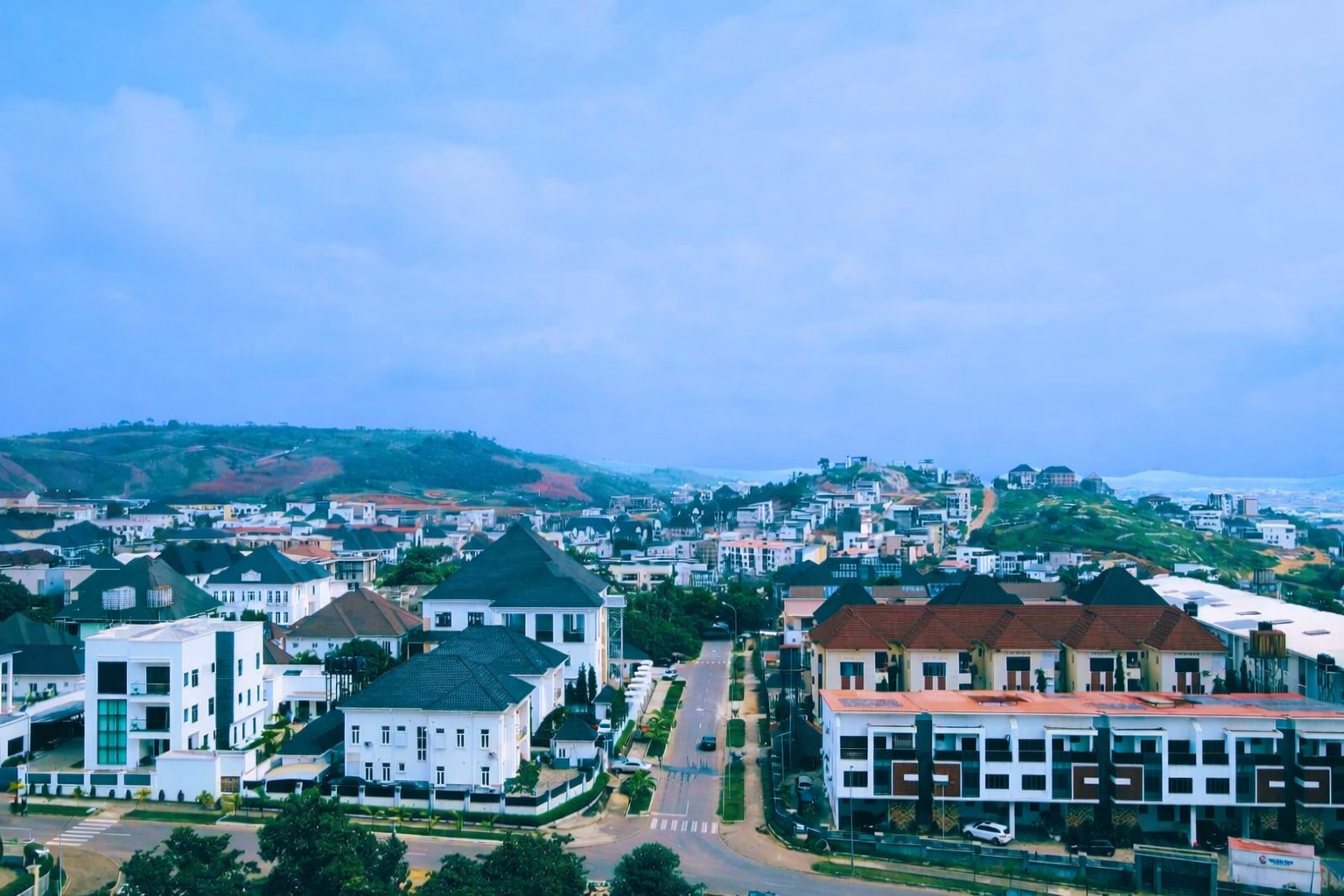
Average property price: ₦300 million – ₦2 billion
Land price per sqm: ₦200,000 – ₦350,000
Annual rent (4-bed duplex): ₦20 million – ₦45 million
Who lives here: Obi Cubana (CEO of Cubana Group), tech founders, young diaspora returnees, entertainment industry elite
Guzape sits geographically between Maitama and Asokoro, designated as purely residential in Abuja’s master plan. In 2026, it’s emerged as the FCT’s fastest-appreciating district, with prices rising 15–20% annually, according to AI Realent.
Guzape’s elevation gives residents hillside views unavailable in other Phase 1 districts. Obi Cubana’s famous mansion — one of Nigeria’s most socially documented celebrity homes — sits here, with a compound for his fleet of Rolls-Royces, Lamborghinis, and Bentleys.
| Chidi Okonkwo @chidiABJ “Guzape 5 years ago was rocks and bush. Today you need ₦800M minimum to enter. It’s the fastest wealth-capture zone in Nigeria’s capital.” |
4. Wuse II — The Central Luxury Hub
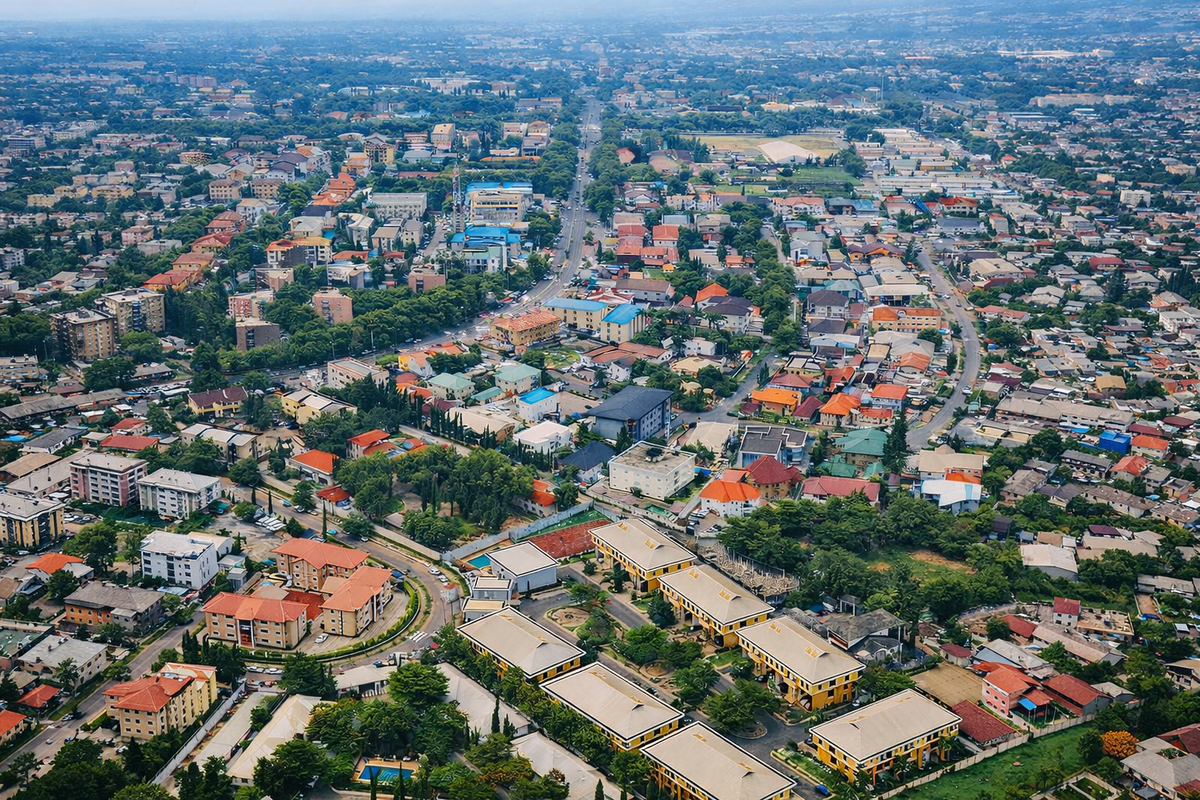
Average property price: ₦200 million – ₦1.5 billion
Land price per sqm: ₦1.5 million – ₦2.5 million (for built property)
Annual rent (4-bed duplex): ₦15 million – ₦40 million
Who lives here: Senior bankers, corporate executives, hospitality entrepreneurs, government officials
Wuse II is Abuja’s lifestyle and commercial heart. Ceddi Plaza, Banex Plaza, Silverbird, and the bulk of Abuja’s upscale restaurants, bars, and hotels cluster here. Serviced apartments dominate the residential mix.
Wuse 2 commands approximately ₦2.5 million per sqm for apartments — the highest apartment price per sqm in Abuja, according to The Africanvestor. The neighborhood’s rental yield is moderate (2–3%) because purchase prices have risen faster than rents.
5. Katampe Extension — The View Premium Zone
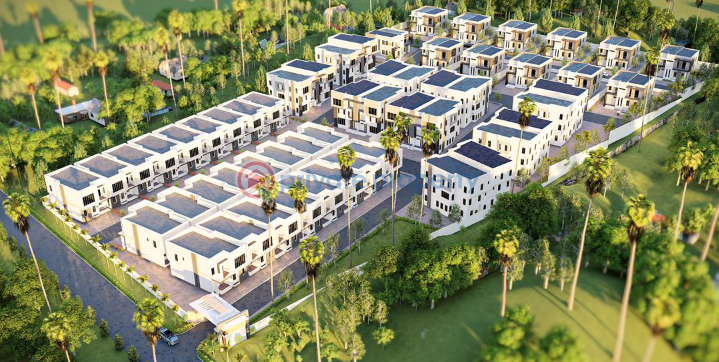
Average property price: ₦250 million – ₦1.5 billion
Land price per sqm: ₦150,000 – ₦280,000
Annual rent (4-bed duplex): ₦15 million – ₦35 million
Who lives here: Diaspora returnees, corporate executives, international media professionals, second-generation wealth
Katampe Extension offers what Maitama and Asokoro cannot: direct panoramic views of Aso Rock, Abuja’s hills, and the surrounding national parks. Developers have concentrated new modern villas and smart-home estates here since 2020.
The district appeals particularly to diaspora returnees — they get international-standard modern finishes at 60–70% of Maitama pricing, plus views that money can’t buy in older Phase 1 districts.
6. Jabi — Lifestyle-Driven Luxury
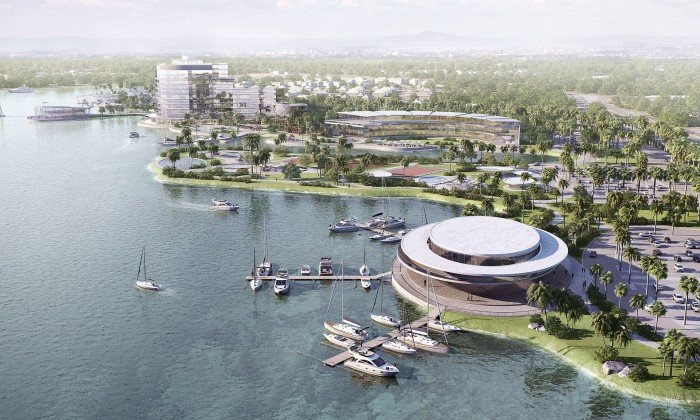
Average property price: ₦180 million – ₦800 million
Land price per sqm: ₦120,000 – ₦200,000
Annual rent (3-4 bed apartment): ₦8 million – ₦25 million
Who lives here: Young professionals, tech workers, mid-career bankers, embassy junior staff
Jabi wraps around Jabi Lake and Jabi Lake Mall. The district has become Abuja’s lifestyle-first luxury address — walkable, amenity-rich, and increasingly popular for Airbnb-grade serviced apartments.
Jabi Airbnb properties generate 600,000 to 1,200,000 naira monthly for lifestyle travelers. That’s made it the best cash-flow district for luxury apartment investors in Abuja.
7. Mabushi — The Quiet Professional Enclave
Average property price: ₦150 million – ₦600 million
Land price per sqm: ₦100,000 – ₦180,000
Annual rent (3-bed apartment): ₦6 million – ₦18 million
Who lives here: Senior civil servants, UN and NGO professionals, corporate managers
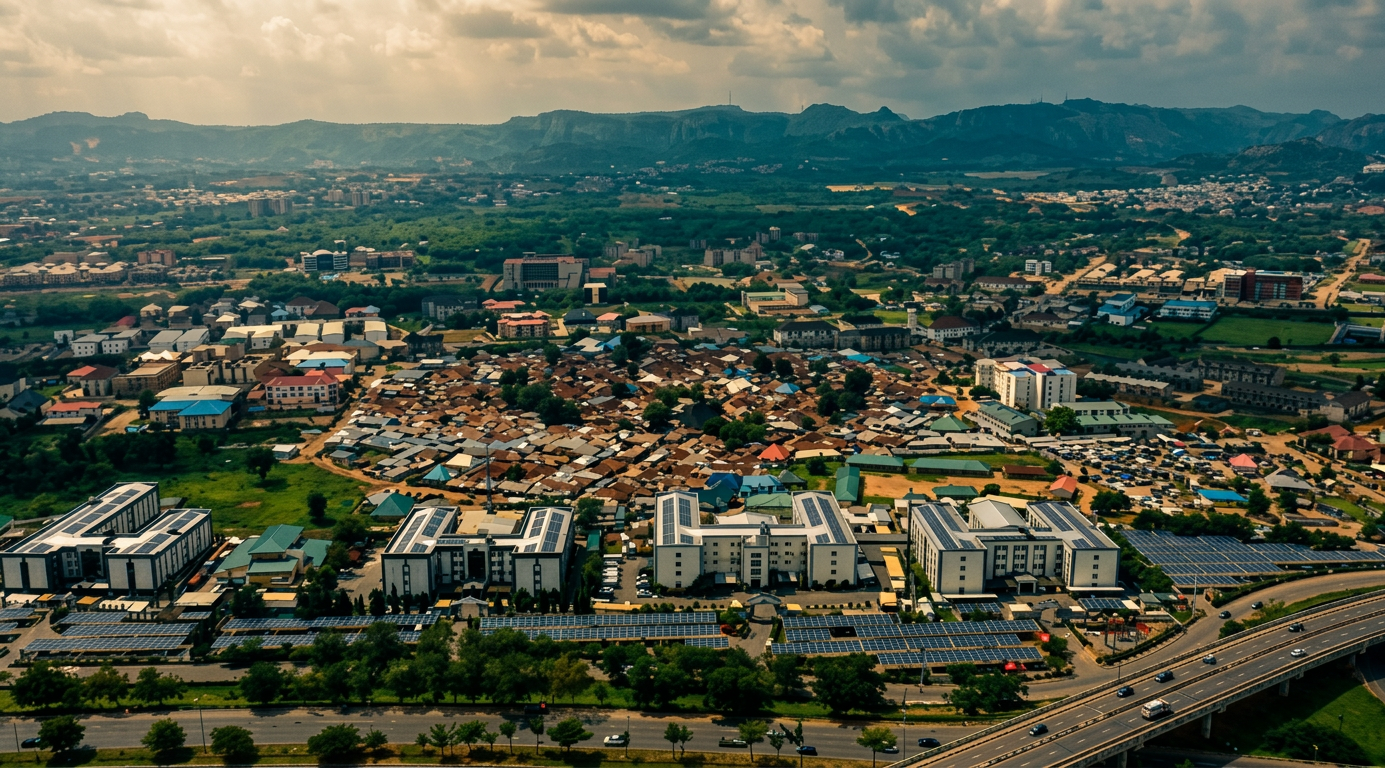
Mabushi sits in Phase 2, between Wuse and Jabi. It’s quieter than either, with a mix of standalone houses and mid-rise gated apartment estates. Renovated new-build units regularly demand 2 years of rent upfront in 2026.
Mabushi’s appeal is balance: Phase 1-proximity without Phase 1 prices, and newer housing stock than Wuse or Garki.
8. Utako — The Serviced-Apartment Hotspot
Average property price: ₦120 million – ₦500 million
Land price per sqm: ₦90,000 – ₦160,000
Annual rent (2-3 bed serviced apartment): ₦7 million – ₦18 million
Who lives here: Consultants, project-based professionals, mid-sized business owners, visiting executives
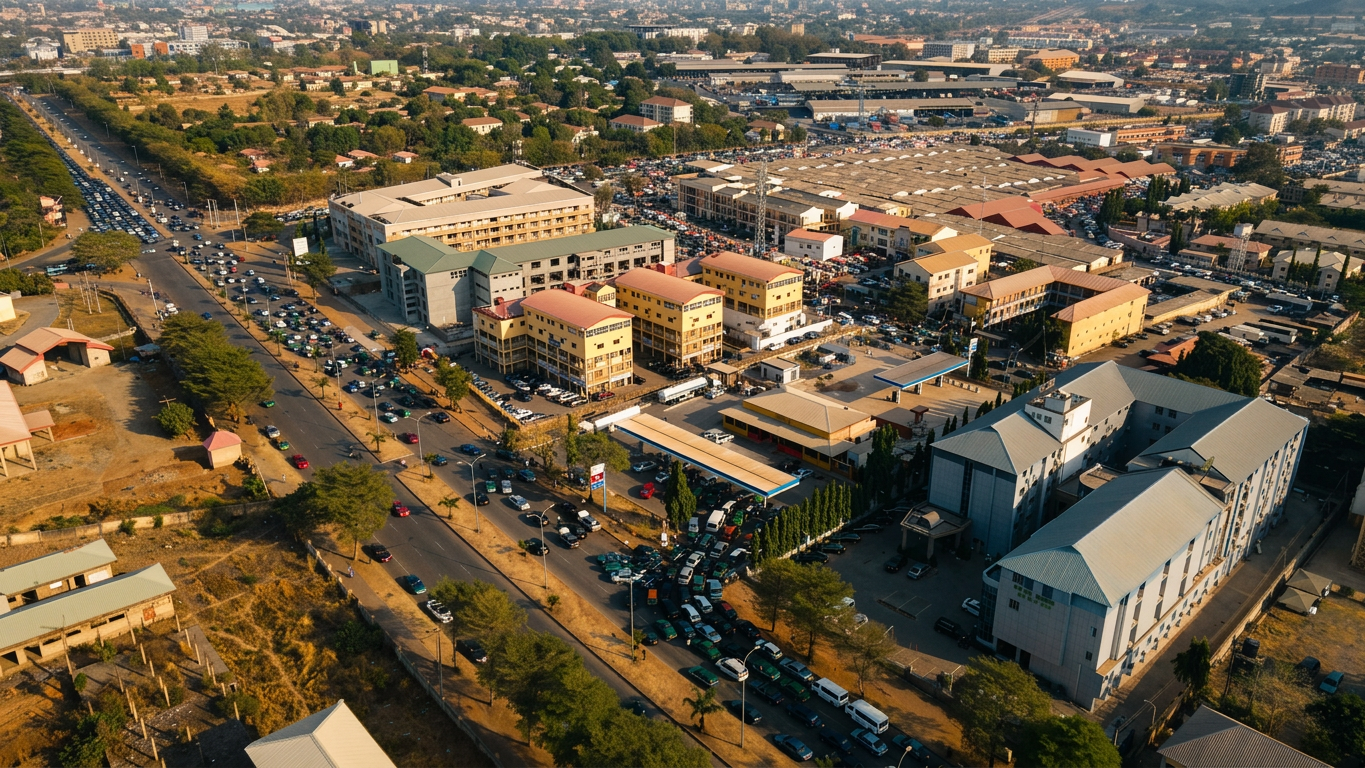
Utako is dominated by mid-rise serviced apartments aimed at short-to-medium-term corporate tenants. The district is especially popular for Airbnb — properties here cater to the mid-priced serviced apartment tier.
Utako’s yield profile is attractive for investors: lower capital entry (₦120M+) and reliable corporate rental demand keep yields in the 5–7% range.
9. Gwarinpa — The Largest Residential Estate in West Africa
Average property price: ₦100 million – ₦400 million
Land price per sqm: ₦70,000 – ₦140,000
Annual rent (4-bed duplex): ₦5 million – ₦12 million
Who lives here: Civil servants, mid-market families, returnees seeking space over prestige
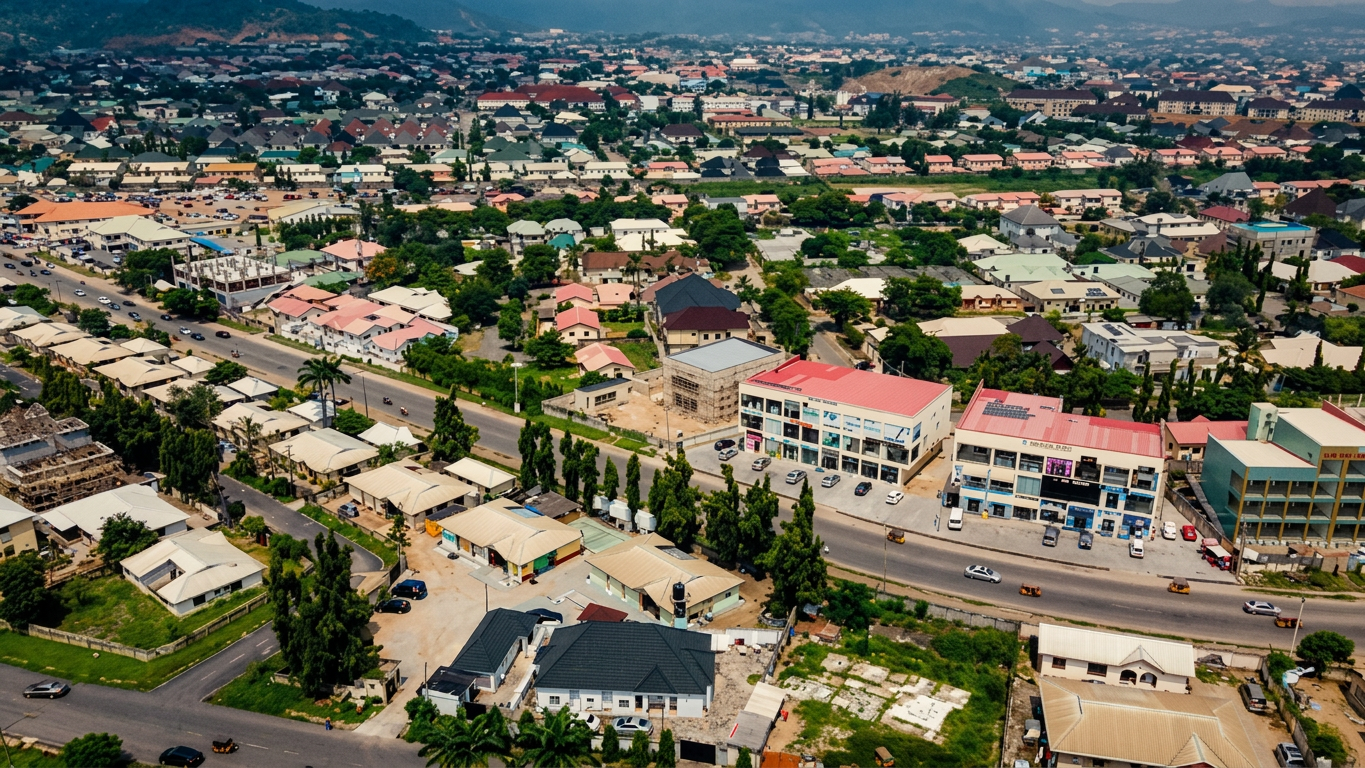
Gwarinpa is the largest residential estate in West Africa. Wide roads, gated communities like CITEC Villas and EFAB Estate, and a mix of middle-class and upper-middle-class housing define the district.
Gwarinpa’s appeal is volume at value. Gross rental yields sit at approximately 4.4% — moderate, but balanced by steady mid-market tenant demand and broad buyer liquidity.
10. Life Camp — The Emerging Middle-Luxury Frontier
Average property price: ₦90 million – ₦350 million
Land price per sqm: ₦60,000 – ₦130,000
Annual rent (4-bed duplex): ₦4 million – ₦10 million
Who lives here: Young professionals, first-time luxury buyers, mid-level executives
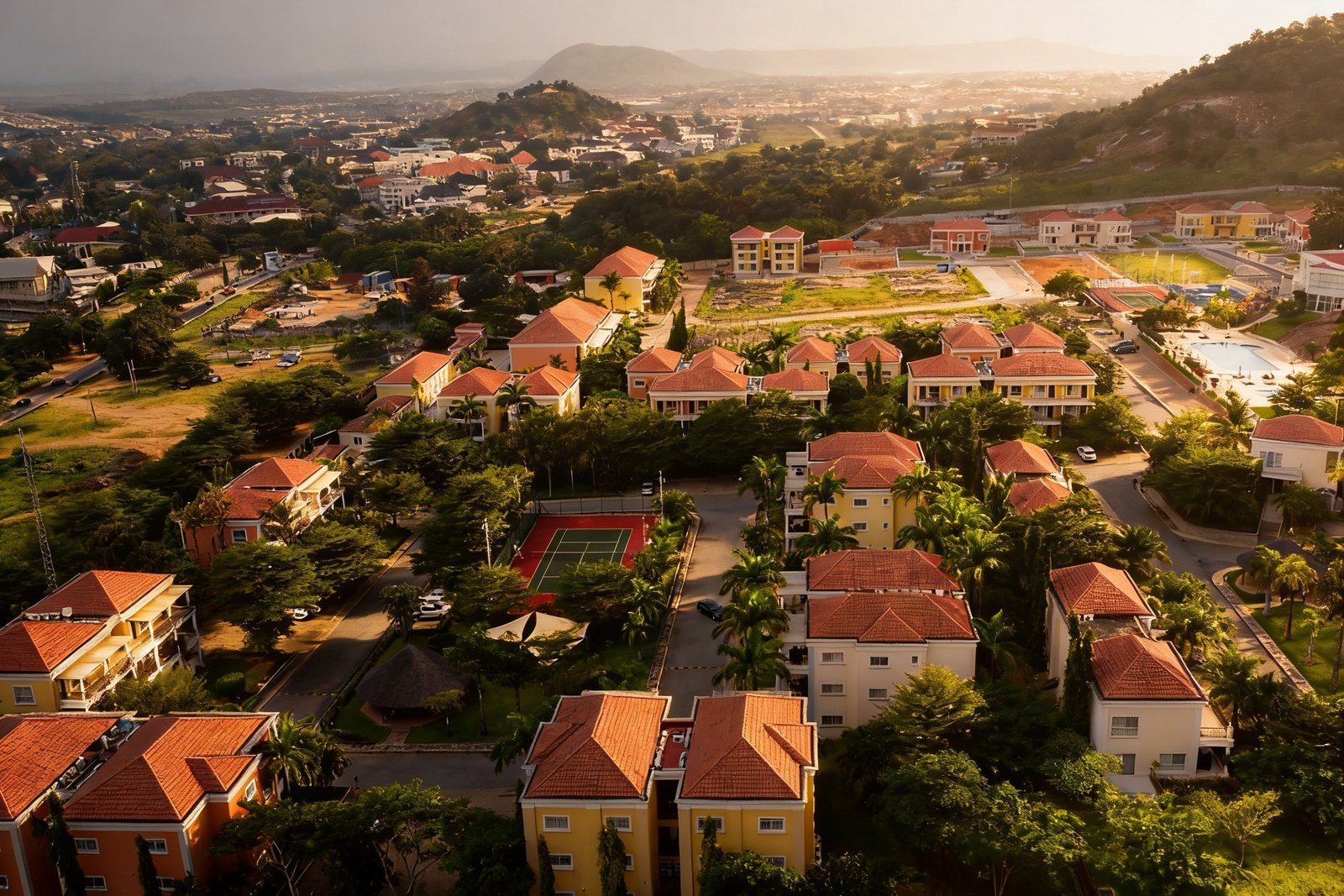
Life Camp represents Abuja’s most affordable entry into the “richest neighborhoods” tier. Gated estates like Diplomatic Drive and Trademore Estate have set a new upper-middle class benchmark with 4-bedroom duplexes in the ₦200–300 million range.
Life Camp is Abuja’s Lekki Phase 1 equivalent: where new money goes before it can afford Maitama or Asokoro. The appreciation trajectory over the past 5 years makes it a sensible mid-term investment.
The Abuja Price Hierarchy: From Maitama to Life Camp
The gap between #1 Maitama and #10 Life Camp is roughly 20x on peak prices (₦30B vs ₦350M) and 6x on land per square meter. That gap reflects Abuja’s tight master-planned geography — each district is capped, and scarcity compounds over time.
To see how Abuja compares with other Nigerian cities, see our state-by-state plot of land price index covering Lagos, Rivers, Ogun, and all 36 states.
Common Mistakes Buyers Make in Abuja’s Luxury Market
Abuja’s luxury market rewards careful title due diligence more than any other Nigerian city.
- Skipping FCDA verification. All Abuja land traces back to the Federal Capital Development Authority (FCDA). Ensure allocation letters, right of occupancy, and C of O chain are verified directly at FCDA — many Maitama and Asokoro scams involve forged chain-of-title documents.
- Ignoring service charge realities. Serviced apartments in Wuse II, Maitama, and Katampe carry annual service charges of ₦1.5–3.5 million, according to 2026 Nigeria Housing Market data. Factor this into your ownership budget.
- Paying asking price in Phase 1. Abuja has over 4,600 active listings across PropertyPro, which gives buyers meaningful negotiating leverage outside the top five prestige addresses.
Before committing capital, review our guide on how to write a legally sound Nigerian land agreement to protect yourself during Abuja transactions.
Final Word: The Abuja Power Map
Abuja’s 10 richest neighborhoods form a tight ring around the city center. Maitama and Asokoro sit at the apex as unchallenged political power zones. Guzape is the fastest-rising wealth capture zone, and Wuse II is the commercial luxury anchor. Katampe Extension, Jabi, Mabushi, and Utako fill the Phase 2 tier. Gwarinpa and Life Camp complete the top 10 as volume-luxury districts.
For buyers with ₦1 billion+, Maitama or Asokoro remain the only answer. For ₦300–800 million, Guzape offers the fastest capital appreciation. For ₦100–300 million, Life Camp and parts of Gwarinpa are where the smartest middle-upper buyers are positioning.
Plot Insider tracks Abuja’s luxury market every quarter — price movements, new developments, transaction volumes. Bookmark us for the data-driven view of Nigeria’s capital real estate scene.
Frequently Asked Questions
What is the most expensive neighborhood in Abuja in 2026?
Maitama District is the most expensive neighborhood in Abuja, with mansion prices ranging from ₦5 billion to ₦30 billion and land on Ministers Hill valued between ₦400 million and ₦800 million per 1,000 sqm plot.
How much does a house cost in Maitama Abuja?
A luxury mansion in Maitama Abuja costs between ₦5 billion for a standard premium 7-bedroom property and ₦30 billion for a mega-compound on Ministers Hill. Annual rent for a fully detached Maitama mansion ranges from ₦50 million to ₦150 million.
Which Abuja neighborhood has the highest rental yield?
Maitama District delivers Abuja’s highest gross rental yield at approximately 7%, driven by consistent demand from embassies, NGOs, and international organizations. Gwarinpa follows at 4.4%, while Lokogoma and Guzape hover around 3.3–3.4%.
Is Guzape cheaper than Maitama or Asokoro?
Yes. Guzape property prices range from ₦300 million to ₦2 billion compared to Maitama’s ₦800 million to ₦30 billion range. However, Guzape is appreciating at 15–20% annually, which makes it the fastest-growing Abuja address and the smartest mid-tier entry for luxury buyers.
Sources
1. Best Areas to Buy Property in Abuja (2026) — The Africanvestor. https://theafricanvestor.com/blogs/news/abuja-which-area
2. Abuja Housing Market 2026: Prices, Growth Areas, and Investment Opportunities — PropertyPro Insider. https://propertypro.ng/blog/abuja-housing-market-2026-prices-growth-areas-and-investment-opportunities/
3. Celebrity Homes in Abuja 2026 — Who Lives in Maitama, Asokoro & Aso Drive — GoBook.ng. https://gobook.ng/blog/celebrity-home/celebrity-homes-abuja
4. The Most Expensive Places to Live in Abuja — NaijaSpider Blog. https://blog.naijaspider.com/2025/04/16/the-most-expensive-places-to-live-in-abuja/
5. Abuja Rental Prices 2026: House & Apartment Rent Guide — Nigeria Housing Market. https://www.nigeriahousingmarket.com/abuja/rental-prices