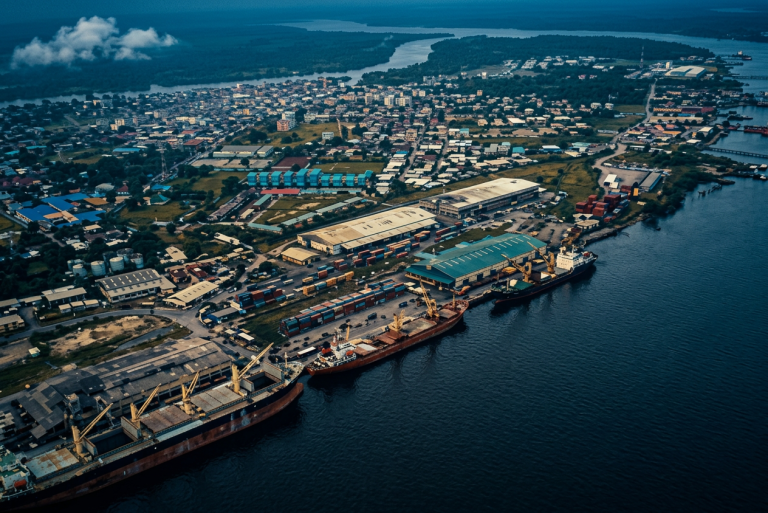
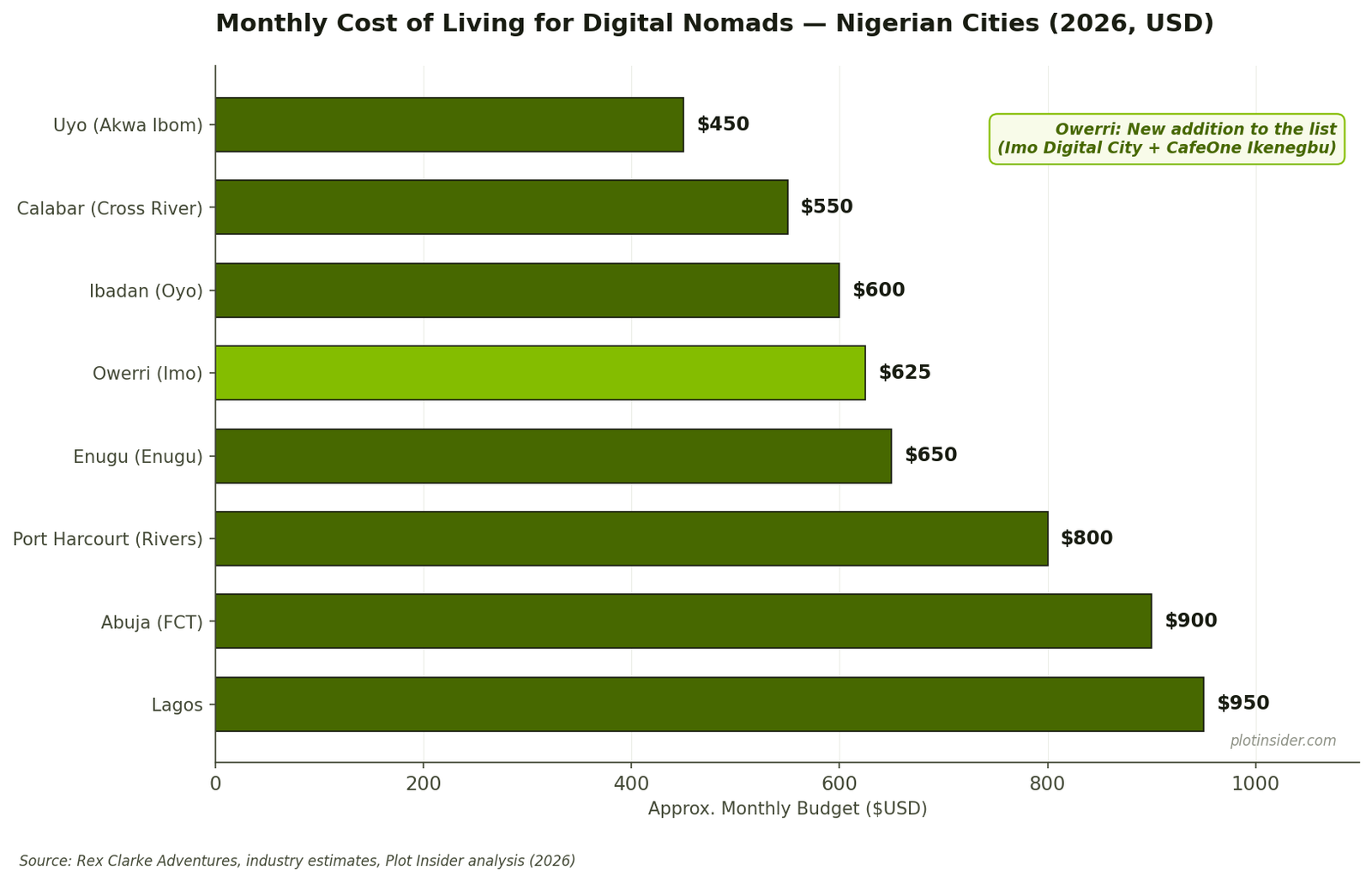
$749 per month. That’s what a solo digital nomad or a Tech bro spends to live well in Lagos in 2026. Rent starts around $238. Coffee, pepper soup, and Uber rides all come cheaper than Nairobi, Accra, or honestly any European capital.
But cost is just one piece. Nigeria’s nomad scene in 2026 splits into eight distinct vibes: the chaos-and-tech-energy of Lagos, the calm-and-diplomatic Abuja, the beach-and-bargain Calabar, the tech-campus of Yaba, the quiet-and-cultural Enugu, the old-money-with-internet Ikeja GRA, the underrated-and-cheap Uyo — and the one most outsiders completely miss: Owerri, home to Imo Digital City, CafeOne Ikenegbu, and an entertainment-capital culture that few nomad lists have caught up to.
Here’s the honest Plot Insider ranking — with power grid realities, internet speeds, community vibes, and exactly how much your monthly budget actually needs to be. Pick your protagonist.
Key Takeaways
- Lagos is the undisputed #1 for nomads who want hustle, tech jobs, and a 24/7 energy grid of humans — budget ~$749/month (Rex Clarke Adventures)
- Abuja wins for calm, safety, and infrastructure — furnished apartments run $400–$600/month with 5G rollout underway
- Calabar is Nigeria’s secret nomad bargain at $480–$1,400/year in rent — plus beaches, slower pace, and Tinapa Business Resort for coworking
- Owerri is the dark horse nobody’s ranking yet — Imo Digital City, CafeOne Ikenegbu (Sterling Bank), TechHub Africa, and FUTO’s graduate pipeline anchor a genuine South-East tech scene at $500–$750/month
- 5G has launched in Lagos and Abuja. MTN, Airtel, Glo, and 9mobile now cover 4G LTE across most urban areas
- Coworking costs ₦20,000–₦50,000/month ($50–$125) flexible membership at CcHUB, Workstation, Ventures Platform, Impact Hub Lagos
- Nigeria has no digital nomad visa yet, but an automated short-stay e-visa system targets 24–48 hour approvals as of 2025 rollout
- Power is still Nigeria’s biggest nomad challenge — expect to budget inverter + backup generator or solar in your accommodation
What Makes a City Nomad-Friendly (The 4-Point Test)
Let’s get this out of the way. A “nomad-friendly” Nigerian city needs four things, ranked by what actually makes or breaks your stay:
- Power — Not “do they have electricity,” but “will your laptop survive a Zoom call without the lights going out twice.” This means reliable grid OR good inverter/generator culture in your chosen neighborhood.
- Access to Jobs — Either a tech ecosystem you can plug into for networking, or clients/meetings you can actually get to without a 4-hour commute.
- Community — Other remote workers, coworking spaces, founder meetups, a tech scene you can feel. Loneliness is the #1 nomad killer.
- Cost + Lifestyle — Does your monthly budget actually work? Are there good restaurants, gyms, nightlife, nature — the things that make remote life worth living?
Every city below is rated against these four. No fluff.
Why Nigeria Is Actually a Great Nomad Base in 2026
Three structural shifts have made Nigeria nomad-viable in a way it wasn’t 5 years ago.
First, internet infrastructure. MTN, Airtel, Glo, and 9mobile now provide 4G LTE coverage across most urban areas. 5G is actively rolling out in Lagos and Abuja. Home broadband plans start around ₦10,000/month ($25), making zoom calls, online teaching, and cloud work genuinely smooth.
Second, the coworking boom. Spaces like Cafe One, CcHUB, Workstation, Ventures Platform, Impact Hub Lagos, Capital Square, and Venia Business Hub now provide reliable Wi-Fi, meeting rooms, and — critically — a sense of community. Flexible memberships run ₦20,000–₦50,000/month ($50–$125).
Third, the cost advantage. Nigeria remains meaningfully cheaper than Kenya, South Africa, or Ghana for equivalent lifestyle. A solo Lagos nomad at $749/month beats Nairobi ($1,200+) and Cape Town ($1,500+) by wide margins.
The 8 Best Places for Digital Nomads to Live in Nigeria
1. Lagos — For the Nomad Who Needs Chaos to Feel Alive
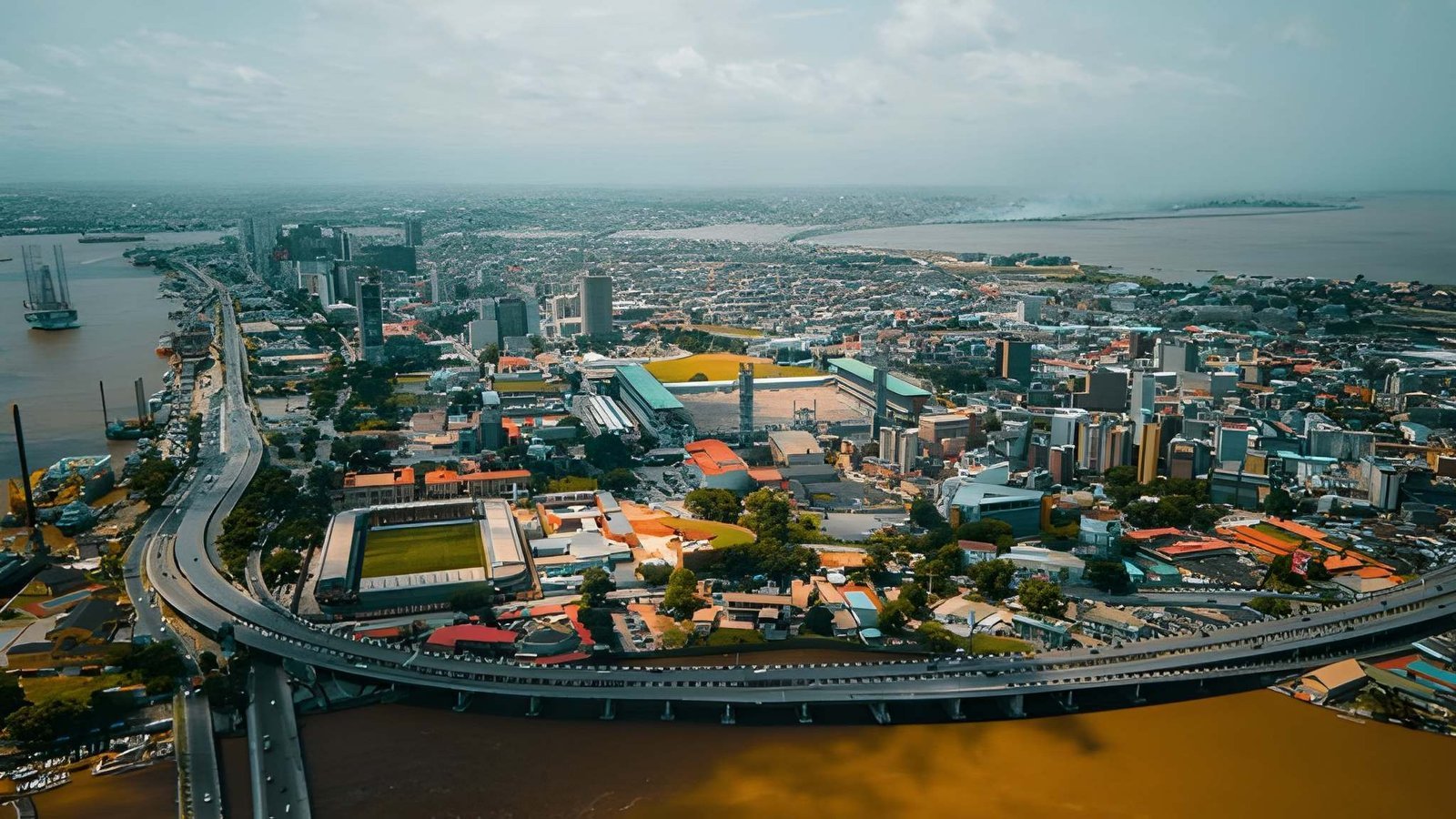
Best for: Tech founders, Tech bro and Tech Sis, startup nomads, anyone who gets energized by density Monthly budget: ~$749–$1,000 solo Neighborhoods to target: Lekki Phase 1, Yaba, Ikeja GRA, Victoria Island.
Let’s just be honest: Lagos is a lot. It’s loud, traffic is genuinely criminal, power can flicker, and the sheer density of 24 million people will shock first-time visitors. Nomads.com reviews are mixed — some say “culturally interesting, but stuffy,” while others say it’s the most underrated nomad city on the continent.
Here’s what tips the scales toward yes: Lagos is the only city in sub-Saharan Africa with a tech ecosystem deep enough that you’ll meet potential clients, co-founders, investors, or collaborators within your first two weeks. The startup scene (often called “Africa’s Silicon Valley” by Blink & Smile and other outlets) is real. CcHUB Lagos, Ventures Platform, Workstation, and Capital Square anchor the coworking culture.
Power reality: Spotty grid, but every half-decent serviced apartment or coworking space has inverter + generator backup. Budget ₦40,000–₦80,000/month ($36–$48) for utilities.
Community: Unmatched in Nigeria. Tech meetups, founder dinners, product launches, and creative scenes run constantly. Yaba is the tech campus vibe; Lekki Phase 1 is the startup-founder vibe; VI is the corporate vibe.
Honest verdict: 8/10 for nomads who thrive on chaos and opportunity. 4/10 for nomads who want quiet.
2. Abuja — For the Nomad Who Values Calm, Safety, and Clean Air
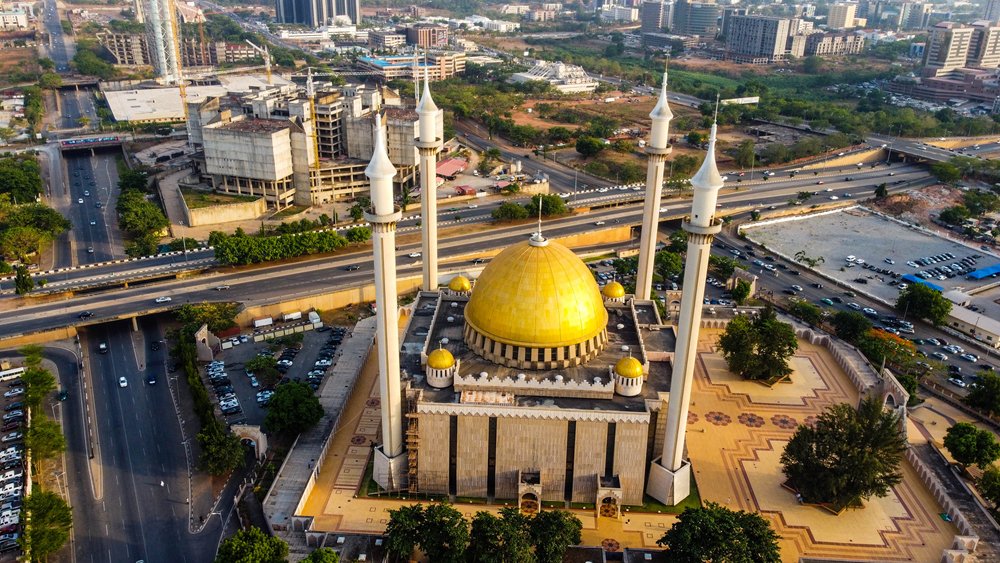
Best for: Writers, consultants, diplomats-adjacent remote workers, anyone over 30 who’s done with chaos Monthly budget: ~$800–$1,100 solo Neighborhoods to target: Wuse II, Maitama, Jabi, Gwarinpa.
If Lagos is “aggressive startup grind,” Abuja is “chill Sunday morning.” The Federal Capital Territory’s master-planned layout means wide streets, clean air, less traffic, and a genuinely different vibe. You can actually drive from one side of the city to the other in 30 minutes — a concept that doesn’t exist in Lagos.
Furnished apartments in Wuse or Maitama run $400–$600/month. That’s more expensive than Calabar or Uyo, but you’re paying for safety, reliability, and the kind of neighborhood where your Uber driver shows up in 6 minutes, not 46.
Power reality: Abuja’s grid is better than Lagos. Power cuts happen but are shorter. Most Maitama/Wuse accommodations have solid backup.
Community: Smaller than Lagos but growing. Ventures Platform Abuja is the flagship coworking space. Cafe One, Box Office Hub and Rewane Hub also anchor the scene. The diplomatic corps and NGO professionals create a quieter, more international community.
Honest verdict: 9/10 for nomads who want infrastructure and calm. 6/10 for nomads who need nonstop networking.
3. Calabar — For the Nomad Who Wants Beach Vibes on a Budget
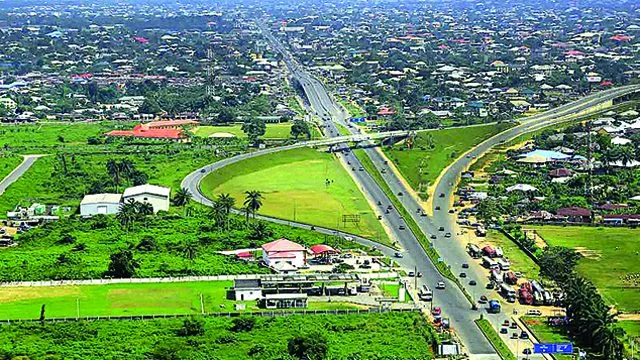
Best for: Writers, long-term nomads, anyone prioritizing lifestyle over networking Monthly budget: ~$500–$700 solo Neighborhoods to target: State Housing, Marian, Ikot Ansa.
Calabar is Nigeria’s best-kept nomad secret. Apartments run as low as ₦200,000–₦600,000 per year ($480–$1,400) in outer neighborhoods. That’s not a typo. You can genuinely live for under $600/month including food, transport, and internet.
The vibe is completely different from Lagos or Abuja. Calabar is slower, cleaner, has a beach culture, and hosts the legendary Calabar Carnival every December — one of Africa’s biggest street festivals. Tinapa Business Resort provides a coworking-adjacent environment with reliable infrastructure.
Power reality: Better than Lagos but not as reliable as Abuja. Solar setups are more common here due to longer outages — worth factoring in.
Community: Thin. The tech scene is minimal. You’ll trade networking density for lifestyle and affordability. Some remote workers love this; some hate it.
Honest verdict: 8/10 for writers and creatives; 4/10 for anyone who needs a tech ecosystem.
4. Yaba (Lagos Mainland) — For the Nomad Who’s All In on African Tech
Best for: Tech builders, developers, startup interns, founders on a budget Monthly budget: ~$600–$900 solo Neighborhoods to target: Sabo, Akoka, Bariga (student areas), UNILAG corridor.
Technically part of Lagos, Yaba deserves its own entry because the vibe is so different. Yaba is Nigeria’s tech campus — home to the original Co-Creation Hub (CcHUB), neighboring TechCabal’s offices, and the spiritual home of Nigerian startups. Paystack, Andela, and a dozen other African tech unicorns have roots here.
Rents on the Mainland are meaningfully cheaper than Island Lagos. You can find a nice shared 2-bedroom in Akoka or Sabo for ₦100,000–₦200,000/month ($250–$500). The trade-off is longer commutes to Island business districts (if you need them) and Mainland’s different aesthetic (older buildings, more student energy).
Power reality: Similar to broader Lagos. Inverter is mandatory.
Community: Dense and specifically tech-focused. If you’re a developer or builder, Yaba is where you’ll find your tribe. Red Line rail catalyst is driving 12–18% annual appreciation here per The Africanvestor, which also means cafes, coworking, and restaurants are multiplying.
Honest verdict: 9/10 for tech builders; 6/10 for general nomads.
5. Ikeja GRA (Lagos) — For the Nomad Who Wants Lagos Without the Ikoyi Prices
Best for: Mid-career nomads, consultants, anyone who needs airport access Monthly budget: ~$700–$950 solo Neighborhoods to target: Ikeja GRA itself, Opebi, Allen Avenue corridor.
Ikeja GRA is Lagos for grown-ups. Mature, tree-lined, home to the Lagos Marriott, Sheraton, Radisson Blu, the Ikeja Golf Club, and some of the best restaurants on the Mainland. Gross rental yields of 5–8% here per Nigeria Property Centre data mean rental inventory is actually available — unlike Ikoyi or Banana Island where nothing ever hits the open market.
You also get Murtala Muhammed International Airport 10 minutes away — if you fly in and out of Nigeria frequently, this alone makes Ikeja GRA the right answer.
Power reality: Good by Lagos standards. Most GRA properties have solid generator setups.
Community: Mid-career professional rather than startup-founder. The Ikeja GRA vibe is “hotel lobby meets golf club” — polished, quiet, and established.
Honest verdict: 8/10 for mid-career nomads and frequent travelers; 5/10 for young startup-energy seekers.
6. Enugu — For the Nomad Who Wants Nigerian Culture at Half the Cost
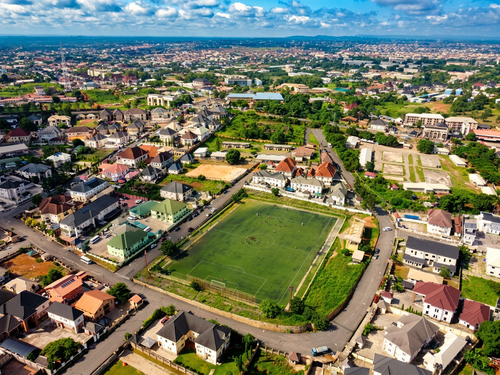
Best for: Writers, cultural researchers, nomads of Igbo heritage returning home Monthly budget: ~$550–$800 solo Neighborhoods to target: Independence Layout, GRA, New Haven.
Enugu is the South-East’s luxury anchor, and its Independence Layout and GRA neighborhoods are where quiet wealth has concentrated for decades. Properties range from ₦90 million to ₦500 million per AI Realent — but rentals are dramatically cheaper for nomads, running ₦80,000–₦200,000/month ($200–$500) for a solid 2-bedroom.
What Enugu offers is cultural depth — a slower pace, stunning hilly terrain, and a strong Igbo cultural identity that’s genuinely different from Lagos or Abuja. For nomads of Igbo heritage returning home, or anyone interested in Nigerian culture beyond the coast, Enugu is the move.
Power reality: Better than Lagos, similar to Port Harcourt. Generator backup is still standard.
Community: Small. The tech scene is emerging but thin. Expect to make friends through neighborhood relationships rather than coworking meetups.
Honest verdict: 8/10 for lifestyle and cultural nomads; 5/10 for tech-scene seekers.
7. Uyo (Akwa Ibom) — The Dark Horse Nobody Talks About
Best for: Long-term nomads, budget-focused writers, anyone exploring the Niger Delta Monthly budget: ~$400–$600 solo Neighborhoods to target: Ewet Housing Estate, Shelter Afrique, Ikot Ekpene Road corridor.
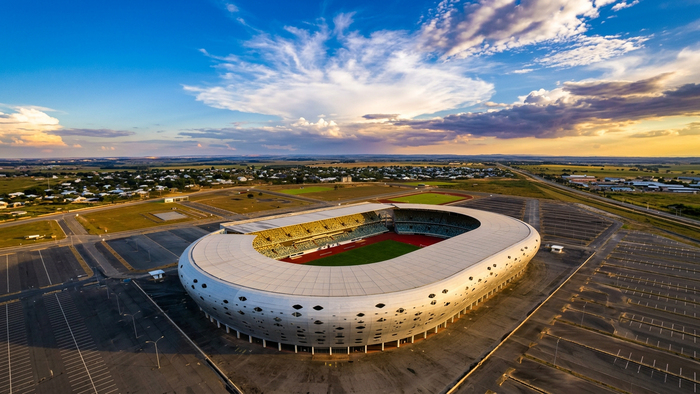
Here’s the city most “best of Nigeria” lists skip: Uyo, the Akwa Ibom State capital. It punches way above its weight. Modern road infrastructure (surprisingly good for a state capital this size), functioning airport, Ibom Tropicana Shopping Mall, and the Godswill Akpabio International Stadium.
Rents are genuinely shocking — you can find solid 2-bedroom furnished apartments in Ewet Housing Estate or Shelter Afrique for ₦250,000–₦450,000/month ($150–$280). That’s Calabar territory with better infrastructure.
Power reality: Uyo has one of the most functional power grids in South-South Nigeria. Outages exist but are shorter and less frequent than Lagos.
Community: Very thin. Expect to make your own community. This is the move for writers, coders, and long-term nomads who prefer depth over breadth.
Honest verdict: 7/10 for long-term nomads on a budget; 3/10 for anyone who needs a tech scene.
8. Owerri (Imo State) — The South-East Surprise Nobody’s Ranking Yet
Best for: Tech learners, returning diaspora Igbos, nomads of Igbo heritage, anyone who wants South-East cultural depth with real infrastructure Monthly budget: ~$500–$750 solo Neighborhoods to target: Ikenegbu (central), New Owerri, World Bank Housing Estate, GRA.
Here’s the one most “best of Nigeria” nomad lists skip entirely, and it deserves a louder mention: Owerri, capital of Imo State. If you’ve written it off because you haven’t been there in five years, you’re working with outdated information.
Three infrastructure plays have changed the Owerri nomad equation in the last two years. First, Imo Digital City — a government-backed digital economy project in Owerri that’s already attracting indigenous tech manufacturers like Imose Mobile (which announced its new South-East assembly base there in 2026, per Infoeast). Second, CafeOne Ikenegbu — Sterling Bank’s coworking chain explicitly lists Owerri on its “largest number of co-working spaces in Nigeria” footprint, with the Owerri branch on 24 Ekwema Crescent, Ikenegbu. It’s the same CafeOne you’d find in Lekki or Abuja, at lower prices. Third, the existing tech hub layer — TechHub Africa on Yar’adua Drive, Oluaka Institute in New Owerri, plus the CLEEN Foundation coworking space at World Bank Housing Estate.
Layer on top of that what Imo State has always had: a higher-education density that’s genuinely unusual. FUTO (Federal University of Technology Owerri), Imo State University, Alvan Ikoku Federal College of Education, and the Federal Polytechnic Nekede form a constant pipeline of tech-literate graduates. That’s raw material most nomad cities can’t manufacture overnight.
Then there’s the cultural dimension. Owerri’s been informally called the “Entertainment Capital of Nigeria” for years — the hotel, restaurant, and event density genuinely supports the tag. Hospitality is built into the Owerri cultural DNA in a way that most nomads only discover after arriving.
Power reality: Better than Lagos, comparable to Uyo. Genuinely surprises first-time visitors. Inverter setups are still standard but outages are shorter.
Community: This is where it gets interesting. Owerri’s tech community is small but tight — you’ll meet the same faces across events, which accelerates real connections faster than a sprawling Lagos scene does. Digitrybe runs training programs here; CafeOne hosts meetups; FUTO’s tech ecosystem feeds into the broader scene. For nomads with genuine intent to integrate (not just work-and-leave), this density is a feature, not a bug.
Cost: Solid 2-bedroom furnished apartments in Ikenegbu or World Bank Housing run ₦200,000–₦450,000/month ($125–$280). You can eat, work, and live well on $500–$700/month. Add coworking membership at CafeOne (Sterling Bank customers pay less than 50% of non-customer rates, per The Talk Hive’s breakdown), and Owerri becomes genuinely competitive with Calabar and Uyo on price — with meaningfully better tech infrastructure than either.
Access to jobs: PWAN Group has offices in Owerri. Imo Digital City is actively recruiting. Sam Mbakwe International Cargo Airport connects to Lagos and Abuja in ~45 minutes. If your remote work is international clients, the 1-hour flight to Lagos handles any in-person needs.
Honest verdict: 8/10 for nomads willing to be early to an emerging scene; 9/10 for anyone with Igbo heritage or cultural curiosity about the South-East; 5/10 for nomads who need an existing massive tech community on arrival. Owerri isn’t Lagos — it’s Lagos in 2010, which means you’re getting in before prices and competition catch up.
Quick Comparison Table: The 8 Cities Side-by-Side
| City | Best For | Monthly Budget | Power | Community | Wi-Fi Quality |
|---|---|---|---|---|---|
| Lagos | Tech founders, chaos-seekers | $749–$1,000 | 6/10 | 10/10 | 8/10 (5G in areas) |
| Abuja | Calm seekers, mid-career | $800–$1,100 | 8/10 | 7/10 | 8/10 (5G rollout) |
| Calabar | Writers, beach lovers | $500–$700 | 6/10 | 3/10 | 6/10 |
| Yaba (Lagos) | Tech builders | $600–$900 | 6/10 | 9/10 | 7/10 |
| Ikeja GRA (Lagos) | Mid-career pros | $700–$950 | 7/10 | 6/10 | 7/10 |
| Enugu | Cultural nomads | $550–$800 | 7/10 | 4/10 | 6/10 |
| Uyo | Budget long-termers | $400–$600 | 8/10 | 2/10 | 6/10 |
| Owerri | South-East surprise, cultural depth | $500–$750 | 7/10 | 5/10 (tight community) | 7/10 |
The Visa Reality (Read This Before You Book a Flight)
Nigeria doesn’t have a digital nomad visa yet. That’s the truth. What exists in 2026:
- Short Visit e-Visa (Tourism, F5A) — Suitable for short-term stays and remote work that doesn’t involve Nigerian clients or a local employer. No employment allowed, Nigeria launched an automated short-stay e-visa system targeting 24–48 hour approvals, with rollout starting in 2025.
- Business Visa (F4A/F4B) — For meetings, scouting, partnerships, or events.
- No specific “digital nomad” class is currently listed.
If you’re a Nigerian citizen or diaspora returnee, these rules don’t apply to you — you’re just moving cities. But international nomads should plan visa compliance carefully.
Common Mistakes Nomads Make in Nigeria
Three mistakes consistently mess up remote workers’ first 30 days in Nigeria.
Underestimating power. Your laptop will die at the worst possible moment if your accommodation doesn’t have a reliable generator or solar backup. Always ask hosts about their backup setup before booking. This is non-negotiable.
Landing in a neighborhood that doesn’t match your vibe. Showing up in Yaba expecting Wuse II energy, or landing in Calabar expecting Lagos hustle, is the #1 disappointment story. Match the city and neighborhood to your actual work style.
Skipping the data SIM on day one. Get an MTN, Airtel, or Glo SIM within 24 hours of landing. Use data-heavy tariffs. Home broadband can fail; mobile data almost never does. This is your fallback.
For a broader view of how Nigerian property markets work — which directly affects your nomad rental options — see our guide on how real estate works in Nigeria.
Conclusion: Nigeria Is Finally a Real Nomad Destination
Five years ago, “digital nomad in Nigeria” sounded like a joke. In 2026, it’s a legitimate lifestyle. The infrastructure works (mostly). The cost advantage is real. The tech ecosystem is genuinely world-class in Lagos and growing in Abuja. And the cultural depth — the food, the music, the people, the stories — is honestly unmatched on the continent.
Lagos wins on tech and chaos energy. Abuja wins on calm. Calabar wins on beach-and-bargain. Yaba wins on tech depth. Ikeja GRA wins on balance. Enugu wins on culture. Uyo wins on budget. Owerri wins on being the surprise of the list — real infrastructure (Imo Digital City, CafeOne Ikenegbu), real tech community, real university density, all at Calabar-tier pricing.
Your move depends on your why. What are you actually trying to do with these next 3–12 months? Answer that, and your city picks itself.
For ongoing coverage of where Nigerian living is getting cheaper, where infrastructure is improving, and which corridors are worth relocating to, bookmark Plot Insider. We track the data on Nigerian neighborhoods every quarter — not just for real estate investors, but for anyone choosing where to actually live.
Frequently Asked Questions
Is Nigeria safe for digital nomads?
Yes, in the right neighborhoods. Ikeja GRA, Lekki Phase 1, Wuse II Abuja, Maitama Abuja, Independence Layout Enugu, and central Calabar are all safe for international and domestic nomads. Security is comparable to major cities globally when you stay in gated estates or secured apartment blocks. Avoid areas with known security concerns — check with locals or coworking hosts before booking.
How much internet do digital nomads get in Nigeria?
Nigeria’s 4G LTE coverage reaches most urban areas through MTN, Airtel, Glo, and 9mobile. 5G is rolling out in Lagos and Abuja. Home broadband plans start around ₦10,000/month ($25), and mobile data is among the cheapest globally. Most coworking spaces offer stable fiber internet included in membership.
What’s the best coworking space in Lagos for remote workers?
CcHUB (Co-Creation Hub) in Yaba is Nigeria’s original tech coworking space and remains the strongest pick for tech-focused nomads. Ventures Platform Abuja leads in the capital. Workstation, Impact Hub Lagos, Capital Square, and Venia Business Hub also rank among the most nomad-friendly spaces. Flexible memberships cost ₦20,000–₦50,000/month ($50–$125).
Can I get a digital nomad visa for Nigeria?
No. Nigeria does not currently offer a dedicated digital nomad visa. As of 2026, international nomads typically enter on the Short Visit e-Visa (Tourism, F5A) or Business Visa. An automated short-stay e-visa system targeting 24–48 hour approvals began rollout in 2025. Nigerian citizens and diaspora returnees don’t face these restrictions.
Which Nigerian city has the lowest cost of living for nomads?
Uyo in Akwa Ibom State offers the lowest cost of living for digital nomads in Nigeria, with solid furnished 2-bedroom apartments available for ₦250,000–₦450,000/month ($150–$280). Calabar is second at ₦200,000–₦600,000 per year ($480–$1,400) for some apartments. Both cities trade lower tech-scene density for dramatically lower monthly spend.
Is Owerri a good place for digital nomads?
Yes — increasingly so in 2026. Owerri hosts Imo Digital City (a government-backed digital economy project attracting indigenous tech manufacturers like Imose Mobile), CafeOne Ikenegbu (Sterling Bank’s coworking chain at 24 Ekwema Crescent), TechHub Africa in New Owerri, The city benefits from a dense higher-education pipeline including FUTO (Federal University of Technology Owerri) and Imo State University, plus a strong hospitality culture. Monthly budgets run $500–$750 — meaningfully cheaper than Lagos or Abuja .
Sources
- Digital Nomads in Nigeria (2025): Visas, Coworking & Policy Gaps — Rex Clarke Adventures. https://rexclarkeadventures.com/digital-nomads-in-nigeria/
- Digital Nomad in Nigeria: Best Sites to Start With — Freelance Master NG. https://freelancemaster.ng/digital-nomad-in-nigeria/
- Lagos (Nigeria) for Digital Nomads — The Ultimate Guide — Freaking Nomads. https://freakingnomads.com/digital-nomad-guide-to-lagos-nigeria/
- Imose Mobile to Establish Hub at Imo Digital City Owerri — Infoeast. https://www.infoeast.ng/imose-mobile-to-establish-hub-at-imo-digital-city-owerri/
- All You Have to Know About Sterling Bank Co-working Space ‘CAFÉ ONE’ — The Talk Hive. https://thetalkhive.com/all-you-have-to-know-about-sterling-bank-co-working-space-cafe-one/