


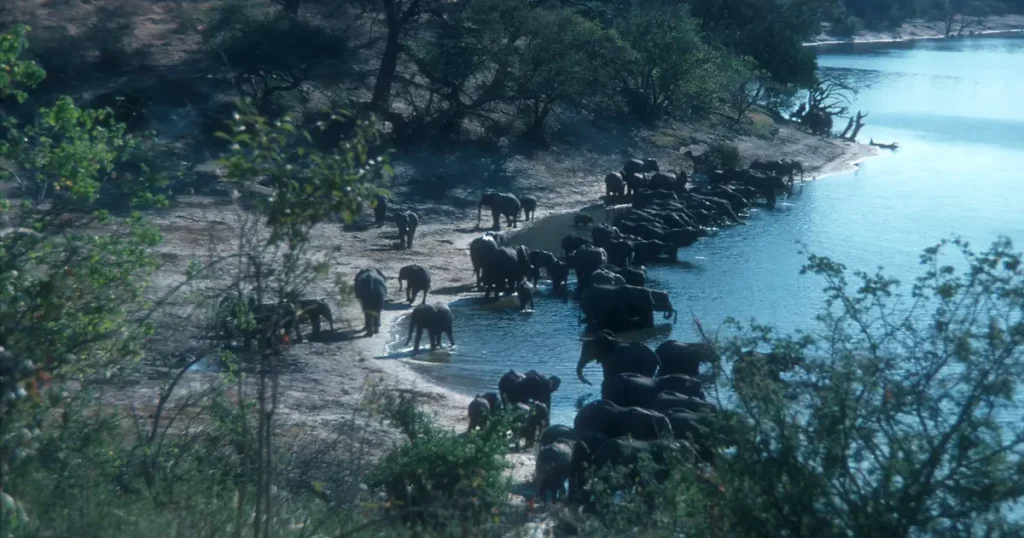
Chobe National Park has the largest concentration of African elephants on earth, of about 12,000, and more than 460 bird species. In addition to that, the park has four main areas, but the Chobe Riverfront is the most beautiful in my opinion and the part where most visitors explore, especially in the dry season from May to October. Now imagine a day trip to Chobe National Park and how stunning it would be.
You will find elephants and buffalo around the Chobe River banks. Even hippos and croodiles are close to the water. If you love animals and the idea of fun in a place filled with them, trust me, you will love this spot. There is plenty to look forward to during a Chobe National Park day trip.
In this guide, we will show you what makes Chobe National Park worth visiting and what you can do there. You will also get a mini itinerary for travelling from Livingstone, with current park fees, activity prices, and complete tour costs. You can then decide if one day is enough to explore this natural wonder.
Table of Contents
Key Takeaways
- Chobe National Park is in northern Botswana and covers approximately 11,700 square kilometres.
- The park has four main areas: the Chobe Riverfront, Ngwezumba Pans, Savuti, and Linyanti.
- Popular things to do include river cruises, game drives, elephant watching, birdwatching, and longer safaris into Savuti or Linyanti.
- Chobe has an estimated 120,000 elephants, and more than 460 bird species have been recorded in the park.
- A three-hour river cruise or game drive currently starts from around BWP498, or US$49 per person, before any separate park fee.
- A complete Chobe National Park day trip from Livingstone currently costs approximately US$185 to US$229 per person, depending on what the operator includes.
- A Chobe day trip from Livingstone usually takes 10 to 11 hours and includes two border crossings.
- One day gives you enough time for a river cruise and game drive. It does not give you enough time to explore the whole national park.
What Is Chobe National Park, and Where Is It?
Chobe National Park is in northern Botswana, close to Kasane and the borders with Zambia, Zimbabwe, and Namibia. It was Botswana’s first national park and covers approximately 11,700 square kilometres. The Chobe River forms its northern boundary.
The park has four main areas: the Chobe Riverfront, Ngwezumba Pans, Savuti, and Linyanti. The riverfront is the easiest area to reach from Kasane. Savuti and Linyanti are farther inside the park.
Each part of Chobe has something different to show you. The riverfront attracts large elephant and buffalo herds. Savuti is known for lions, cheetahs, and hyenas.
Chobe works well as a destination on its own or as part of a longer trip through the best places to visit in Africa.
Why Is Chobe National Park Worth Visiting?
Chobe brings an extraordinary amount of wildlife together. You may see as many as 15 animal species during one game drive along the riverfront. Elephants, buffalo, giraffes, zebras, antelopes and warthogs are common.
The park also gives you two very different safari views. A boat takes you close to animals around the water. A safari vehicle carries you through woodland, open ground, and the tracks beside the river.
More than 460 bird species have been recorded in Chobe. African fish eagles, kingfishers, storks, and carmine bee-eaters are some of the birds you may recognise. The variety gives birdwatchers plenty to enjoy in every season.
Personally, I think the elephants are the strongest reason to visit. You do not simply see one animal and move on. You may watch the whole family group drink, bathe, swim, and guide their calves towards the river.
What Can You Do in Chobe National Park on a Day Trip?
Your experience will depend on how much time you have. Some of these activities fit into a Chobe National Park day trip. Savuti and Linyanti need a longer stay.
Take a Chobe River Cruise
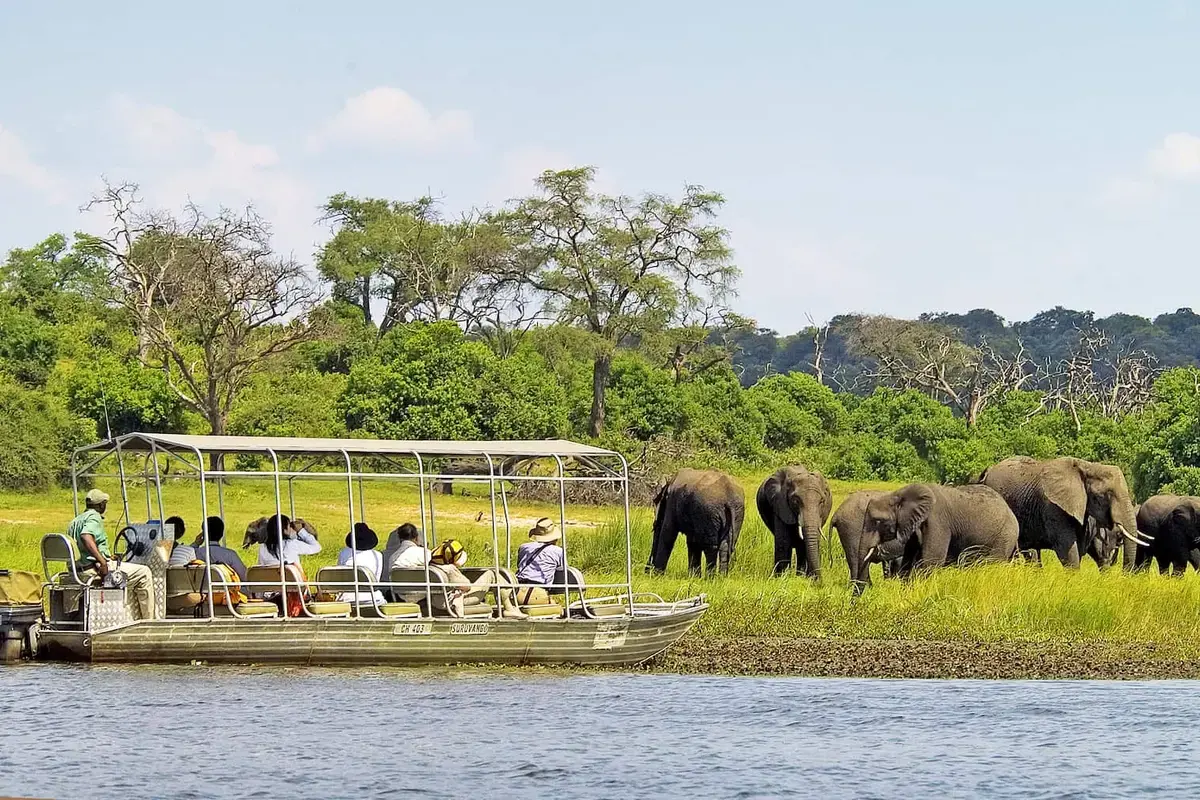
A Chobe River cruise takes you along the park’s northern edge. Most shared cruises last around three hours and leave from Kasane. The boat slows down whenever animals appear near the riverbank.
You may see elephants drinking, hippos lifting their heads above the water, and crocodiles resting on the mud. The low islands also attract buffalo, antelopes, and many water birds. I would choose the boat cruise if I had time for only one Chobe activity.
Go on a Game Drive
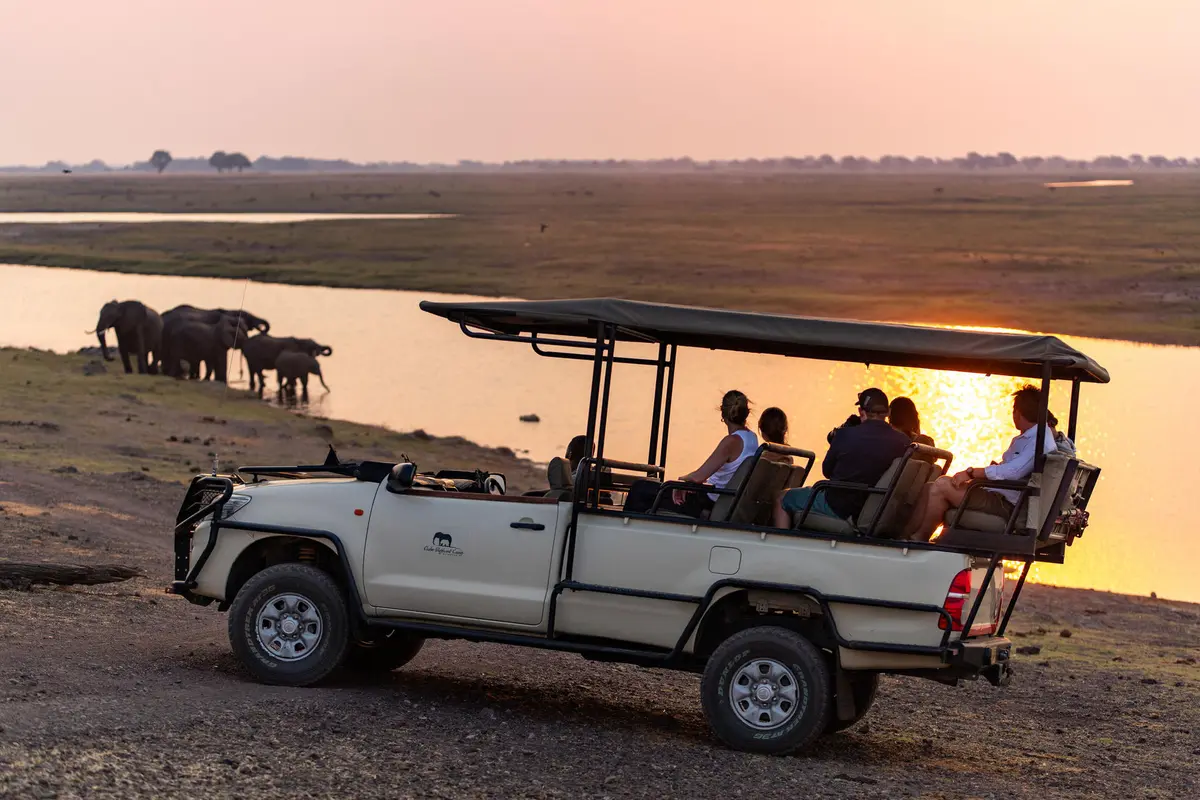
A Chobe game drive takes you through the riverfront woodland and along the sandy tracks near the water. Most short drives last around three hours. Morning and late-afternoon departures give you cooler weather and a better chance of finding active animals.
Your guide looks for tracks, fresh dung, and movement in the grass. Elephants and buffalo are common. Lions and leopards take more patience.
The open vehicle gives you a clear view when the guide stops.
Watch Chobe’s Elephant Herds
Chobe is famous for its elephants. During the dry season, large herds move towards the river to drink and bathe. Some family groups cross the main Serondella Road and hold up traffic as they pass.
Take time to watch how the elephants behave. Calves stay close to their mothers, and the adults may gather around them before entering the water. Some elephants also swim between the islands with their trunks above the surface.
Go Birdwatching
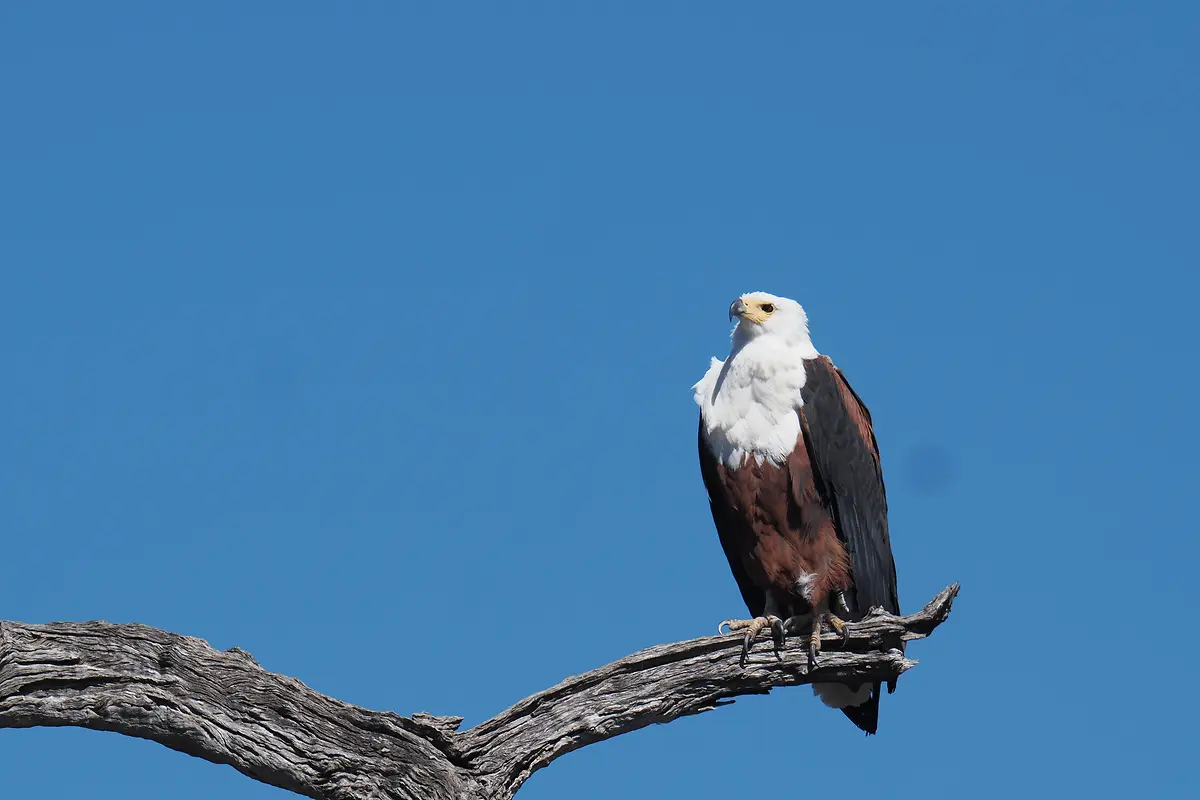
Chobe is one of Botswana’s best birdwatching areas. African fish eagles, kingfishers, herons, storks, and African skimmers live around the river. Migrant birds add even more variety during the rainy months.
You can watch birds during both the cruise and game drive. Tell your guide if there is a particular species you hope to find. A private activity may give you more time at each sighting.
Explore Savuti
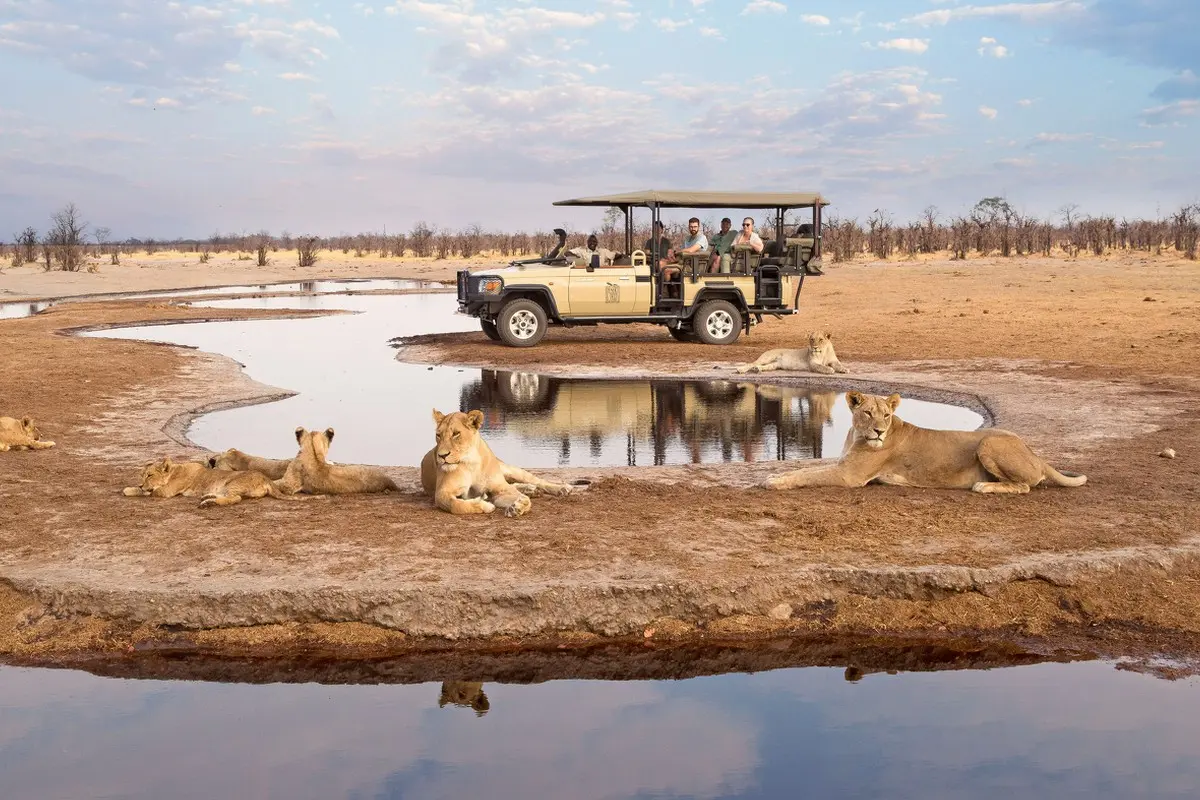
Savuti is in the heart of Chobe National Park and has a strong population of lions, cheetahs, and hyenas. The area is also known for its channel, which can remain dry for years and later begin flowing again. Dead trees along the channel show where the returning water has changed the land.
Savuti is too far from Kasane for a standard Chobe National Park day trip. You need a longer safari or a stay near the area.
If you enjoy lodge-based wildlife trips, read our article on Tawi Lodge Amboseli review.
Visit Linyanti
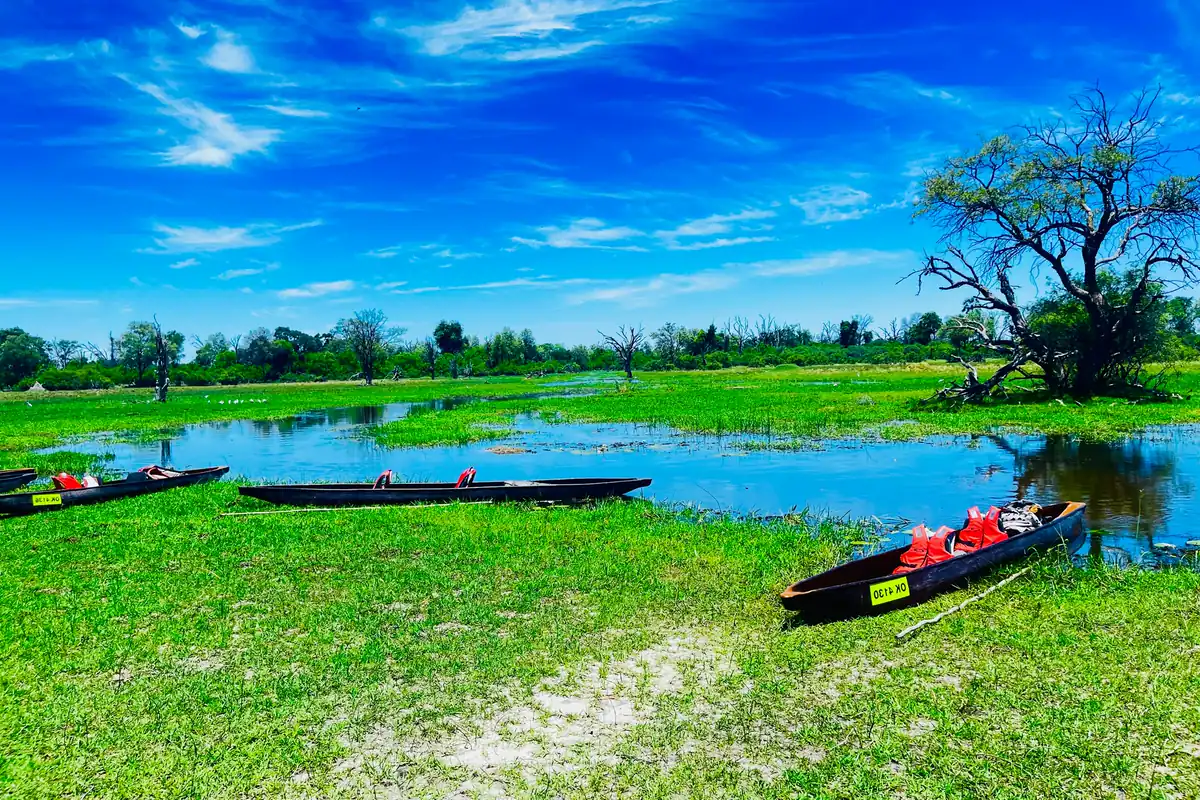
Linyanti is found in a quieter part of northern Chobe. Its river and swamps attract elephants, buffalo, zebras, and predators during the dry season. The area has fewer visitors and smaller camps.
You need several days to include Linyanti in a Chobe trip. It is best suited to travellers who want a quieter safari and do not mind paying for a remote lodge or private concession.
What Wildlife Can You See in Chobe National Park?
Elephants are the animals you are most likely to see. Buffalo, giraffes, zebras, impalas, kudus, sable antelopes, and warthogs also live across the park. Puku antelopes are a special sight because the Chobe Riverfront is the only part of Botswana where you normally find them.
Hippos and crocodiles remain close to the river. Baboons and monkeys move through the trees along the bank. Hyenas and jackals may also appear during a game drive.
Lions are present around the riverfront and are especially well known in Savuti. Leopards are harder to find because they often remain hidden in thick cover. Cheetahs and African wild dogs also live in the wider Chobe region.
No guide can promise a particular animal. Elephant sightings are common, but predators may stay out of view for the entire day. Treat every unusual sighting as a bonus.
When Is the Best Time to Visit Chobe National Park?
The dry season is the best time, and it starts from around May to October. Animals gather near permanent water as the land becomes drier. This is the best period for seeing large elephant and buffalo herds along the Chobe River.
If you are planning a Chobe National Park day trip mainly for the elephants, choose a date during this period.
June to August has cooler mornings and comfortable afternoon temperatures. September and October are much hotter. I would still consider these months if large wildlife gatherings are your main interest.
The rains usually fall from November to April. The park becomes green, newborn animals appear, and migrant birds arrive. Wildlife spreads over a wider area because water is easier to find.
Choose the dry season for the busiest riverfront wildlife. Choose the rainy season for birdwatching, green surroundings, and fewer safari vehicles.
If you want to travel to East Africa, check our 14-day Kenya itinerary.
How Much Does a Chobe Day Trip From Livingstone Cost?
Your total cost depends on the park fee, the activities you choose, and how you travel from Livingstone or Kasane. One more thing, check whether each price already includes park entry before you pay.
Chobe National Park Entry Fee
The cost is BWP 270 per day for a non-resident adult and BWP 135 for children aged 8 to 17. Children younger than eight enter free. Although the price is being reviewed to be increased to BWP 500.
Chobe Activity Prices
A three-hour shared game drive currently costs around BWP 498 with one Kasane operator. Other current offers start between $49 and $65 per person. Park entry may cost extra.
A standard three-hour river cruise also starts around BWP 498, or $40 to $49 per person. A luxury three-hour cruise can cost around $125. A full-day river cruise starts around $157.
A combined morning game drive and sunset cruise currently starts around $88 per person before the park fee. Another seven-hour package with a boat cruise, lunch, and game drive costs $140 from Kasane.
Cost of a Chobe National Park Day Trip From Livingstone
Complete Chobe National Park day trip packages from Livingstone currently cost approximately $185 to $229 per person. These usually include hotel transfers, help at the border, a river cruise, lunch, and a game drive. Visa costs and tips are normally separate.
Some packages also exclude the Chobe park fee. Ask for the total compulsory price of your Chobe day trip from Livingstone in writing. Solo travellers should also check whether the operator requires at least two guests.
A cross-border Chobe day tour costs more than booking the activities in Kasane because it also includes the Livingstone transfers and driver handovers.
How Does a Chobe National Park Day Trip From Livingstone Work?
A Chobe National Park day trip is a full-day safari from Livingstone in Zambia to the Chobe Riverfront in Botswana. You leave Zambia in the morning, enter Botswana at Kazungula, and return to Livingstone that evening. The complete trip usually takes 10 to 11 hours.
Every Chobe day trip from Livingstone uses the Kazungula border. The Livingstone to Chobe route then continues towards Kasane. A typical Chobe safari day trip includes one activity on land and another on the river.
Some operators begin on the river, but others start with the drive if recent wildlife sightings is what you want. Most travellers book an organised cross-border tour. The operator coordinates the drivers, guides, and border handover.
A Mini Chobe Day Trip Itinerary
6:30–7:30 a.m: Hotel pickup in Livingstone
Your driver picks you and travels towards the Kazungula border. The road journey usually takes 45 to 90 minutes.
8:00–9:00 a.m: Border crossing
You complete the exit process in Zambia and enter Botswana. A Botswana-based driver then takes you towards Kasane and Chobe National Park.
9:30a.m–12:30 p.m: First safari activity
You begin with either the river cruise or game drive. The operator may change the order according to its schedule.
12:30–1:30 p.m: Lunch in Kasane
Most complete day tours include a buffet or set lunch.
1:30–4:30 p.m: Second safari activity
You complete the game drive or river cruise. The Chobe game drive uses an open safari vehicle. This gives you time on both land and water during the same day.
4:30–6:30 p.m.: Return to Livingstone
You travel back to Kazungula, complete both border processes, and meet your Zambian driver. Border queues can delay your return.
Visa Rules for the Border Crossing
You need permission to enter Botswana and return to Zambia. Your Zambian visa must also allow you to re-enter after the safari.
Zambia’s Day Tripper visa costs $10 and can cover your return through Kazungula within 24 hours if you qualify. The KAZA UNIVISA costs $50 and covers eligible travellers for multiple entries between Zambia and Zimbabwe. It does not replace a Botswana visa when your passport requires one.
Nigerian passport holders need a Botswana visa before the trip and are not currently eligible for the KAZA UNIVISA. A Botswana tourist visa usually takes seven to 14 working days to process.
Our guide to visa-free and visa-on-arrival destinations for Nigerians can help with other African travel plans.
Is One Day in Chobe National Park Enough?
A Chobe National Park day trip is enough for a river cruise and game drive around the Chobe Riverfront. These two activities give you a good introduction to the park’s wildlife. You also return to Livingstone without changing hotels.
A day trip does not show you the entire national park. You will not reach Savuti, Linyanti or many of the quieter areas inside Chobe. You also miss the early-morning and late-afternoon wildlife hours available to overnight guests.
Personally, I would choose the day trip if Chobe were an extra part of my Livingstone holiday. I would stay for at least two nights if the national park were one of the main reasons for my journey. That extra time would allow me to explore beyond the riverfront.
Three Mistakes to Avoid When Visiting Chobe National Park
1. Thinking a Day Trip Covers the Whole Park
Chobe is much larger than the area close to Kasane. You need a longer itinerary to explore Savuti and Linyanti.
2. Checking Only Botswana’s Entry Rule
You must also be allowed back into Zambia after the safari. A single-entry Zambian visa may no longer cover you once you leave at Kazungula. Confirm your return permission before your Chobe day trip from Livingstone.
3. Booking the Cheapest Price Without Reading the Inclusions
A low price may exclude the park fee, lunch, drinks, or hotel transfers. Ask the operator to send the complete price in writing. Pay attention to every item marked as an extra.
Conclusion
Chobe National Park deserves attention beyond the road from Livingstone. The park has four different areas, a large range of wildlife and several ways to experience it. A Chobe National Park day trip gives first-time visitors a strong introduction.
Is one day enough? Personally, I think it is enough when Chobe is one part of a Livingstone holiday. It is not enough when you want to experience the wider national park.
Check your visa, park fee and complete tour price before booking. For another impressive natural attraction in Africa, read our Kalandula Falls Angola guide.
Frequently Asked Questions About a Chobe National Park Day Trip
Can You Do a Chobe National Park Day Trip From Livingstone?
Yes. Operators collect guests from hotels in Livingstone and drive to the Kazungula border. The complete Chobe day trip from Livingstone usually takes 10 to 11 hours.
How Long Is the Chobe Day Trip From Livingstone?
Most tours leave around 7:00 a.m and return by about 6:00 p.m. Border queues can make the day longer. Keep the evening free in case you return late.
Do You Need a Visa for a Chobe Day Trip?
Your visa requirements depend on your nationality. Check permission to enter Botswana and to return to Zambia. Eligible travellers may use a KAZA UNIVISA or Zambia’s Day Tripper visa for the return journey.
How Much Does a Chobe Day Trip Cost?
A shared Chobe National Park day trip currently costs about US$185 to US$200 per person. Check whether the price includes park fees, lunch, drinks and hotel transfers. Visa fees are normally separate.
Is a Chobe River Cruise or Game Drive Better?
The cruise is better for hippos, crocodiles, birds and elephants beside the water. The game drive is better for exploring the woodland and looking for predators. A standard Chobe day trip includes both, so you do not have to choose one.
Sources
- Botswana Tourism Organisation: Chobe and Parks and Reserves — park history, wildlife and protected areas
- Zambia Department of Immigration: Visitor Visa Types — Day Tripper visa and re-entry rules
- Zambia Department of Immigration: KAZA UNIVISA — price, validity and eligible nationalities
- Current tour rates: Nkhosi Livingstone, Project Expedition and VicFallsConnection