

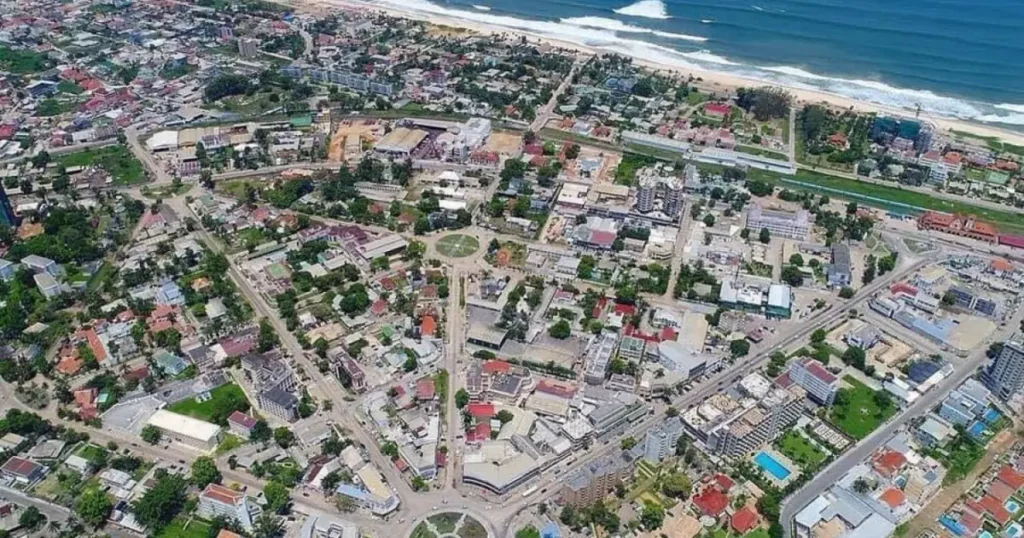
Pointe-Noire was named before it became a city. In 1484, Portuguese sailors saw a dark headland along the coast and marked it on their maps as Punta Negra, or “Black Point.” The French name, Pointe-Noire, came later as the small settlement grew into a port town in the Republic of the Congo.
Planning a first trip to Pointe-Noire is harder than it should be. Search for the city, and you will find pages about the Democratic Republic of the Congo, short attraction lists, and excursion prices that offer little substance to begin with. You may know where you want to go but still have no idea what fits into one day.
This Pointe Noire travel guide fixes that. It covers the best things to do in Pointe Noire, a realistic four-day itinerary, current tour prices, and the practical details you need before you arrive.
Table of Contents
Key Takeaways
- Pointe Noire, Congo, is in the Republic of the Congo, also called Congo-Brazzaville. It is not in the Democratic Republic of the Congo.
- Four days cover the city and two nearby excursions. A trip to Conkouati-Douli National Park needs seven days.
- June to September is the best time to go because it is the cooler dry season. Whale-watching trips run from mid-July to September.
- Several major excursions are operated by Résidence Feuille. Current starting prices range from 45,500 XAF for Diosso to 317,500 XAF for Conkouati.
- Tchimpounga is the strongest day trip for wildlife lovers. The visit combines a road journey, a boat ride, and time at the chimpanzee sanctuary.
- Carry Central African CFA francs for taxis, markets, and smaller restaurants. Card payments are mainly available at larger hotels.
What Is Pointe Noire Congo Like for a First-Time Visitor?
The first thing you notice is Pointe-Noire’s port-city side. The center has offices, oil companies, hotels, and the railway. As you move toward Côte Sauvage, restaurants open toward the beach as more people arrive for the evening.
French is the most useful language for a first visit. You will also hear Kituba in markets, taxis, and everyday conversations. English is spoken in some international hotels, but you should not expect every driver or shopkeeper to understand it.
The city is easy to explore with a driver. Longer journeys begin when you head north towards Diosso, Loango, Pointe-Indienne, and Tchimpounga. If you rely on public information to make decisions, you’ll find it limited, so rely on your hotel or tour operator.
Why Is Pointe Noire Congo Worth Visiting?
Pointe-Noire gives you several experiences from one base. You can spend one day exploring Congolese art and the next on wildlife or Loango history. If you read our guide to the best places to visit in Africa, you won’t find this destination because it is unfamiliar.
Wildlife gives the trip much of its appeal. The Jane Goodall Institute cares for more than 150 chimpanzees at Tchimpounga and has recorded 80-plus reintroductions of rehabilitated wildlife into semi-wild environments. Conkouati-Douli National Park has more than 700 vertebrate species, including forest elephants, gorillas, turtles, and Atlantic humpback dolphins.
The coast also carries an important history. The Mâ Loango Museum explains the kingdom that once controlled much of it. Loango Bay remembers the people forced onto ships there during the transatlantic slave trade.
10 Best Things to Do in Pointe Noire Congo
Some of the best places to visit in Pointe Noire are outside the city. Four fit into a city day. The others need a driver, guide, or organised excursion.
1. Spend an Evening at Côte Sauvage
Côte Sauvage is the easiest beach to reach from the center. The sand is broad, the Atlantic is loud, and the restaurants become busier as the heat drops. Come in the late afternoon and stay for dinner.
The name means “Wild Coast,” and the water lives up to it. Strong waves and currents are common, so ask locally before swimming.
If the coast is a major reason for your trip, Plot Insider’s guide to the best beaches in Africa gives you more ideas for a longer holiday.
2. Visit the Musée du Cercle Africain
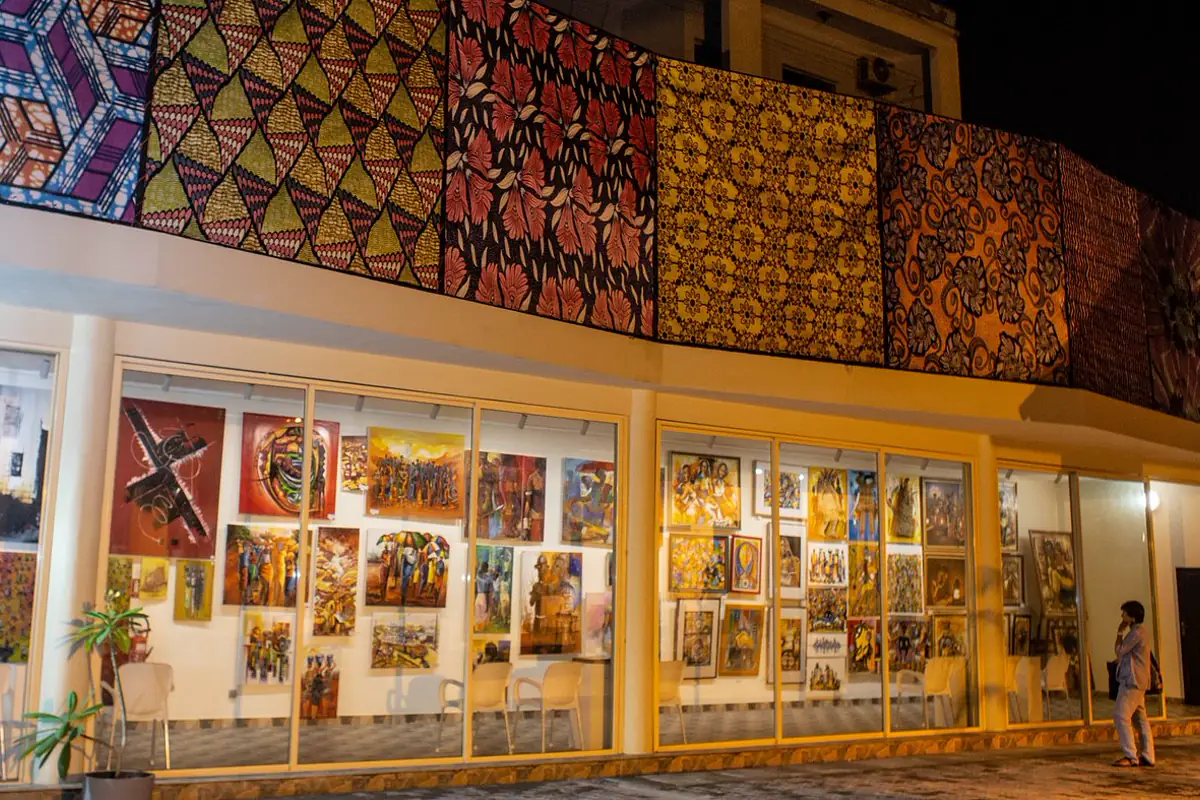
The Musée du Cercle Africain is one of the most useful Pointe Noire attractions for understanding the city. You will find Congolese masks, statues, paintings, and old photographs. Other displays follow the railway, the city’s growth, and the oil industry.
The Art Deco building was once a cultural meeting place for Congolese residents. It later became a court and eventually fell into disuse. After restoration, it opened as Pointe-Noire’s first museum in December 2018.
3. See Pointe-Noire Railway Station
The railway station explains why Pointe-Noire grew here. The Congo-Ocean Railway opened between the port and Brazzaville in 1934. Goods, workers and businesses followed it.
The station is still in use, so begin with the exterior and the square. Ask before photographing security points or working railway areas.
4. Walk Through the Grand Marché
The Grand Marché is loud, crowded, and full of movement. Traders sell fruit, vegetables, fabric, clothes, household goods, and cooked food along narrow lanes.
Go with a French-speaking guide if you want to ask questions. Carry small CFA notes and keep your phone secure when the market is crowded.
5. See Diosso Gorge and Matombi Beach
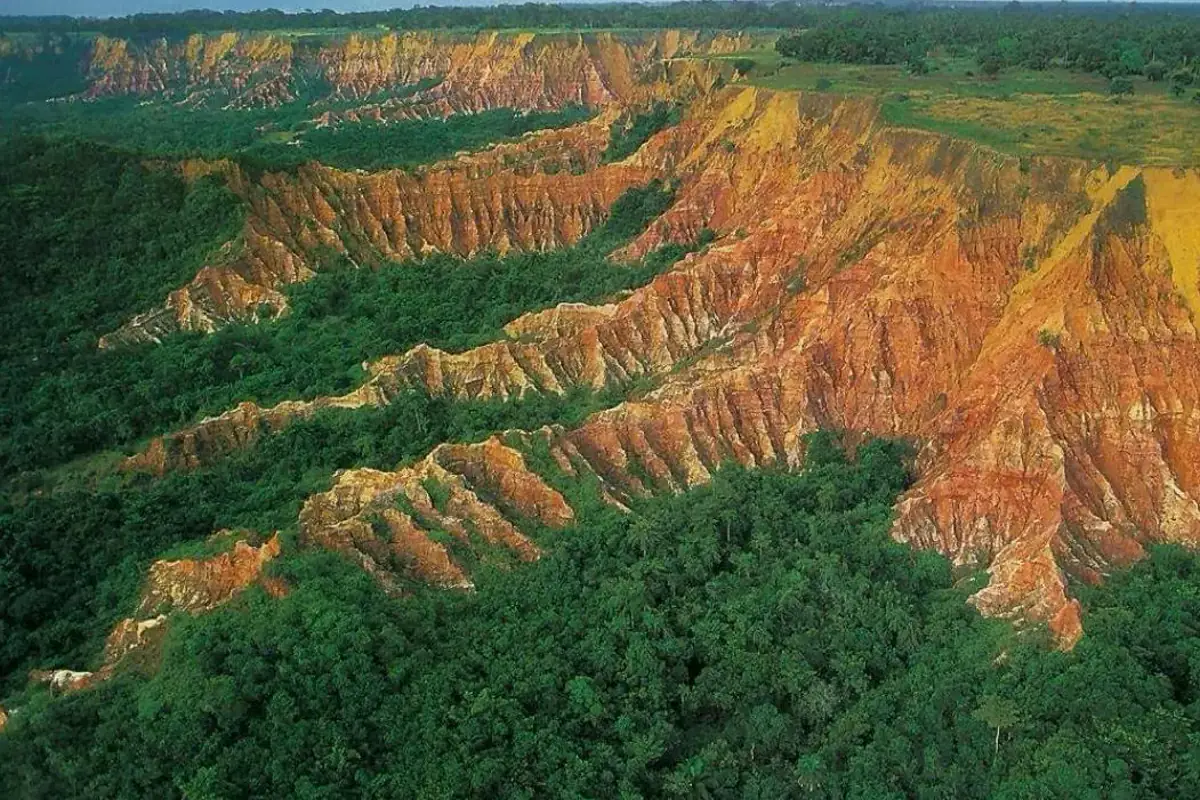
Diosso Gorge is the most popular natural attraction near the city. Red and orange cliffs drop towards thick green vegetation. The descent needs more care, especially after rain.
Résidence Feuille calls its full-day excursion the Bwali Trip because Bwali is another name for Diosso. The trip starts from 45,500 XAF per person and includes the gorge, a hike, a historical tour, breakfast, and Matombi Beach. Transport and other inclusions are confirmed when you book.
6. Visit the Mâ Loango Museum and Loango Bay
The Mâ Loango Museum occupies the former royal residence at Diosso. Its collection includes royal objects, musical instruments, household pieces, and photographs connected to the Kingdom of Loango.
Loango Bay carries a more painful history. Captive Africans were forced onto ships here during the transatlantic slave trade. Arrange both stops with a knowledgeable guide and confirm if they are included in your Diosso program.
For another natural landmark in Central Africa, read Plot Insider’s review of Kalandula Falls in Angola.
7. Take a Day Trip to Pointe-Indienne
Pointe-Indienne is about one hour north of the city. The water is usually gentler than Côte Sauvage, and the beach has a quieter feel. It works well when you want a full day by the sea.
You can return the same day with a private driver. Résidence Feuille also offers a two-day trip with one night from 147,500 XAF per person.
8. Visit Tchimpounga Chimpanzee Sanctuary
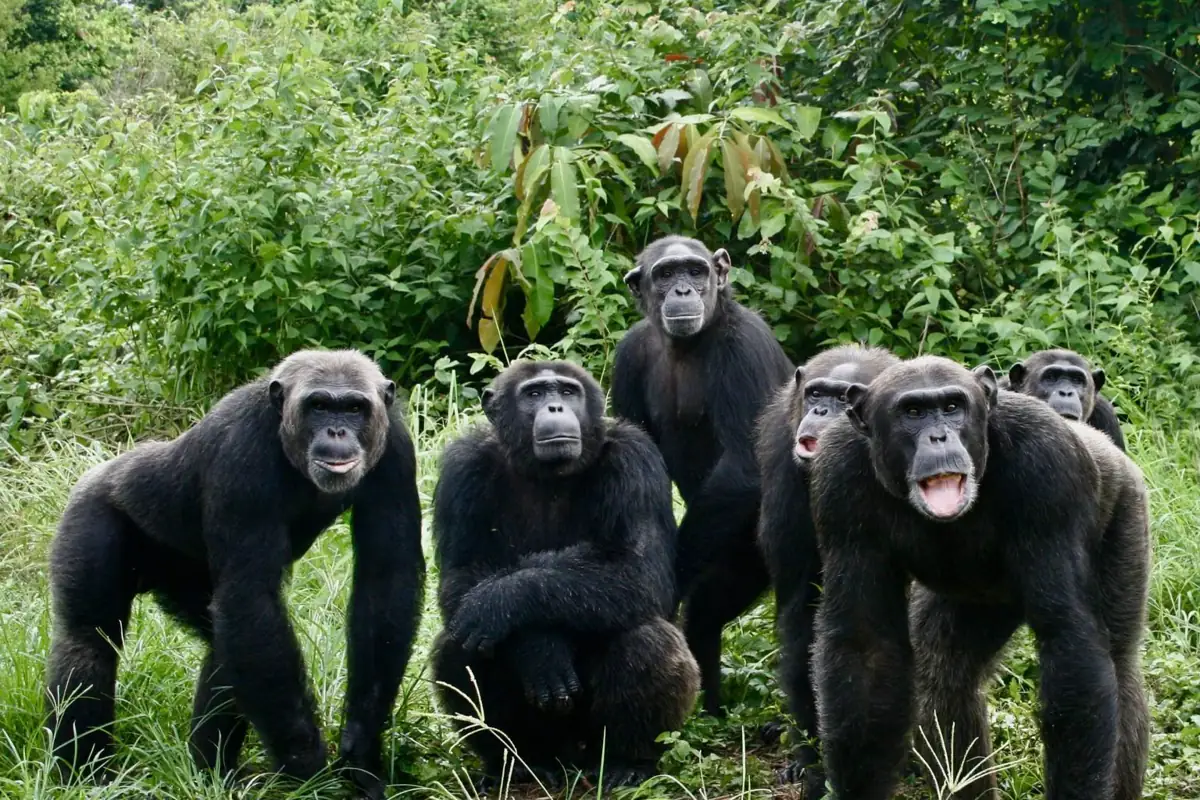
Tchimpounga is the day trip I would prioritise for wildlife. The Jane Goodall Institute opened the center in 1992 for animals injured or orphaned by the illegal wildlife trade.
Résidence Feuille’s full-day program includes road transport, breakfast, and a boat ride on the Kouilou River. You also watch the chimpanzees during their feeding program. The price starts at 215,500 XAF per person.
This is a sanctuary visit, not a game drive. If you want a wildlife trip built around a river safari and free-roaming animals, use the Chobe National Park guide.
9. Go Whale Watching
Humpback whales pass the coast from mid-July to September. The boat gives you a clear view of the city from the Atlantic, and dolphins sometimes appear.
Résidence Feuille charges from 71,000 XAF per person and takes no more than seven guests. Sightings are not guaranteed, and the operator does not provide a refund when no whales or dolphins appear.
10. Add Conkouati-Douli National Park
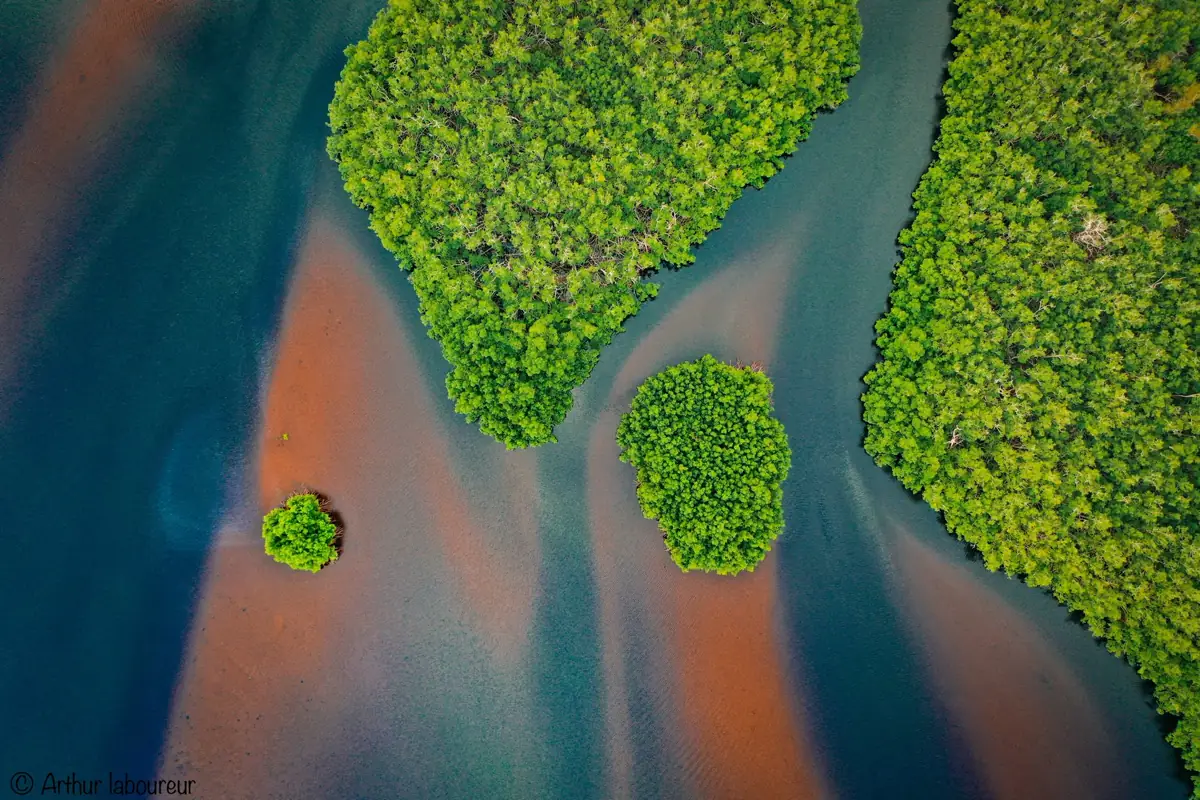
Conkouati-Douli has forests, lagoons, mangroves, beaches, and a protected marine area. Its wildlife includes forest elephants, gorillas, chimpanzees, hippos, turtles, and dolphins.
The road journey takes about four hours, so Conkouati needs its own extension. Résidence Feuille’s three-day program starts from 317,500 XAF per person, including accommodation, meals, and the listed park activities.
A Realistic Four-Day Pointe Noire Congo Itinerary
This Pointe Noire travel guide uses four days for the city and nearby excursions. Conkouati remains a separate extension.
Day One: The City and Côte Sauvage
Begin at the Musée du Cercle Africain, then stop at the railway station. Visit the Grand Marché with a guide. End at Côte Sauvage before dark.
Day Two: Diosso and Matombi Beach
Use the Bwali Trip or arrange the route privately. The published program covers Diosso Gorge, local history, and Matombi Beach. Ask if you also want the Mâ Loango Museum or Loango Bay.
Day Three: Tchimpounga
Keep the whole day for Tchimpounga. The journey, river crossing, and sanctuary program take most of it.
Day Four: Pointe-Indienne or Whale Watching
Choose Pointe-Indienne for a beach day. From mid-July to September, book whale watching instead. Arrange either option before you arrive.
Days Five to Seven: Conkouati Extension
Add three days for Conkouati. The full trip then becomes seven days.
How Much Does a Pointe Noire Congo Trip Cost?
The prices in this Pointe Noire travel guide come from Résidence Feuille. Dollar estimates use 585 XAF to US$1, checked on 10 October 2026.
| Excursion | Length | Starting price | Approximate US dollars |
|---|---|---|---|
| Pointe-Noire city tour | Full day | 32,750 XAF | US$56 |
| Bwali Trip: Diosso and Matombi | Full day | 45,500 XAF | US$78 |
| Whale watching | Full day | 71,000 XAF | US$121 |
| Pointe-Indienne | Two days, one night | 147,500 XAF | US$252 |
| Tchimpounga | Full day | 215,500 XAF | US$368 |
| Conkouati-Douli | Three days, two nights | 317,500 XAF | US$543 |
These are per-person starting prices. Group size changes what is included. Ask for a written program before paying; the current contact number is +242 06 940 96 86.
Pointe Noire Travel Guide: How to Plan Your First Trip
Some of the things to do in Pointe Noire take a full day, so book them first. A first trip to Pointe Noire, Congo becomes easier once those dates are fixed.
Best Time to Visit Pointe-Noire
June to September is the cooler dry season and the best time to visit Pointe Noire for road trips. Rain is less likely to disrupt routes outside the city. Mid-July to September is whale-watching season.
The wetter months run mainly from October to May. Ask your operator about road conditions before booking Conkouati or another journey outside Pointe-Noire.
Visa and Health Requirements
Most visitors need a visa before travelling. Visas are not issued at border controls. Your passport needs six months of validity, and you must carry a yellow fever vaccination certificate.
The embassy also advises travellers to carry antimalarial medication. Speak to a travel clinic about the current recommendation for your health and itinerary.
If you hold a Nigerian passport, this article on visa-free and visa-on-arrival destinations for Nigerians can help you compare the entry process with other African trips.
Airport Transfer and Transport
Agostinho-Neto International Airport is close to the city. Arrange a hotel pickup when possible. Otherwise, use a blue airport taxi.
Confirm the fare before entering because taxis are not metered. Use the same approach inside the city, or ask your hotel to arrange a known driver for the day.
Cash, ATMs and Mobile Internet
The local currency is the Central African CFA franc (XAF). The airport has an ATM and an exchange desk that opens daily from 8 a.m. to 9 p.m. Larger hotels may accept cards, but cash remains important.
Airtel Congo and MTN Congo provide mobile service. Buy your SIM from an official shop and take your passport for registration. Coverage is weaker outside the city.
Where to Stay in Pointe-Noire
If you are deciding where to stay in Pointe Noire, choose the centre for restaurants and the museum. Choose Côte Sauvage when you want the beach nearby.
Prices as at the time of writing this article starts at US$79 for Résidence Feuille, US$154 for Kactus Lodge, US$164 for Atlantic Palace and US$200 for DoubleTree by Hilton. Résidence Feuille can also arrange excursions.
Safety in Pointe-Noire
Official advice mentions pickpocketing and warns against walking after dark. Avoid isolated beaches at night. Carry a colour copy of your passport and visa stamp because police may request identification.
Keep car doors locked and windows closed on road journeys. Use daylight hours for trips outside the city, especially when road conditions are poor.
Three Mistakes to Avoid on Your First Visit
1. Treating Every Northern-Coast Stop as One Day Trip
Diosso, Loango Bay, Pointe-Indienne and Tchimpounga appear close together on a map. They use different roads, guides, and timings. Choose one clear route for each day.
2. Booking From the Starting Price Alone
Tour prices change with group size and the final program. Ask what the amount covers, where pickup happens and if accommodation or meals are included.
3. Arriving Without Cash or an Airport Plan
Arrange your transfer before departure. Withdraw or exchange enough CFA francs for the first day.
Conclusion
Would I choose Pointe Noire Congo for a first trip to the Republic of the Congo? Yes. The city gives you a good base for the Atlantic coast, Loango history and Tchimpounga.
Use this Pointe Noire travel guide to know what to expect and the kind of activities you will find on this trip.
Frequently Asked Questions About Pointe Noire Congo
Is Pointe-Noire in the Republic of the Congo or the DRC?
Pointe-Noire is in the Republic of the Congo, whose capital is Brazzaville. It is not in the Democratic Republic of the Congo, whose capital is Kinshasa.
Do You Need a Guide in Pointe-Noire?
You can explore central Pointe Noire attractions with a driver. Use a guide for Diosso, Loango, Tchimpounga, and Conkouati because these trips need local arrangements.
Does Pointe-Noire Have an International Airport?
Yes. Agostinho-Neto International Airport uses the code PNR and is close to the city.
What Are the Best Things to Do in Pointe Noire?
The main things to do in Pointe Noire include Côte Sauvage, the Musée du Cercle Africain, Diosso Gorge, and Tchimpounga. Add Pointe-Indienne or whale watching when you have another day.
Can You Travel by Train From Brazzaville to Pointe-Noire?
Yes, but it can be slow and unreliable.
Sources
- Republic of the Congo Ministry of Finance — the origin of Pointe-Noire’s name and city history
- Embassy of the Republic of the Congo — visa, passport, vaccination, malaria and currency guidance
- Jane Goodall Institute — current Tchimpounga figures and conservation work
- Noé Conservation — Conkouati-Douli wildlife and conservation information
- Africanews — Musée du Cercle Africain history