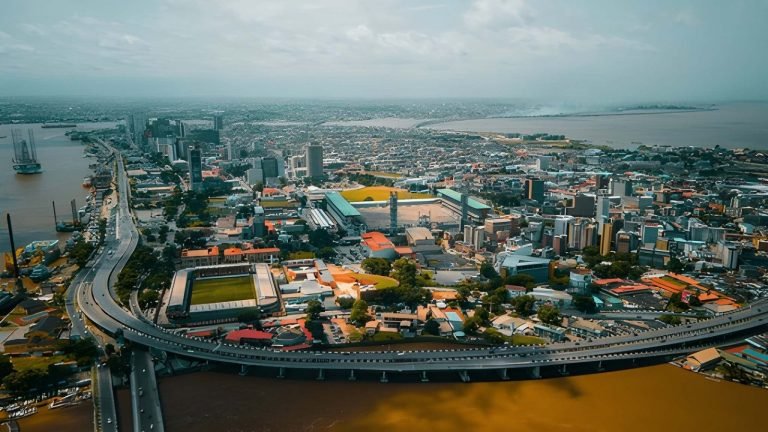
₦9 million per square meter. That’s the ceiling for luxury apartment prices in Banana Island in early 2026, according to The PlotInsider’s analysis of Lagos Property Centre data. A single 1,000 sqm waterfront plot in the same neighborhood now trades for up to ₦7 billion.
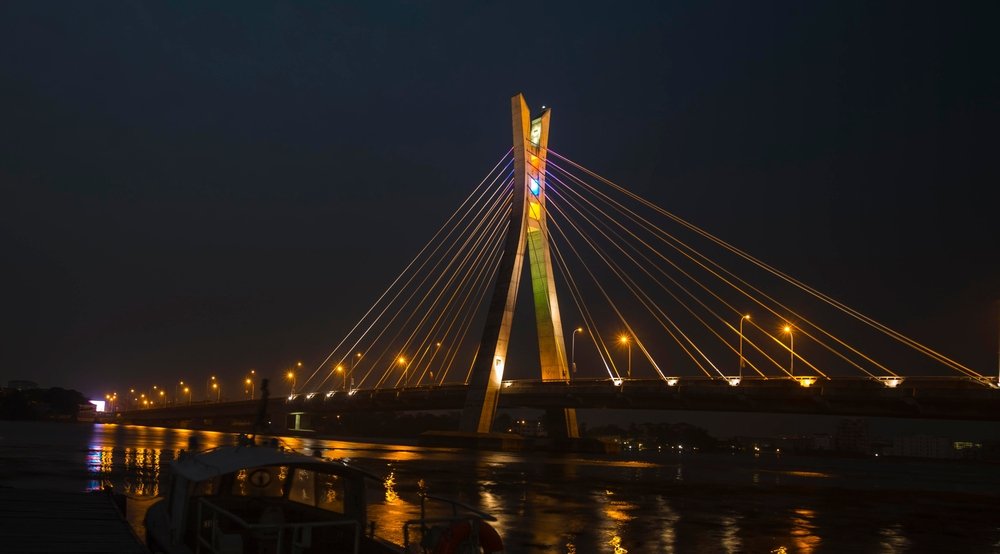
Lagos has always been Nigeria’s financial capital. But inside this sprawling city of 24 million people, there are 10 neighborhoods where the top 0.1% live, invest, and build generational wealth. These aren’t just expensive addresses — they’re architectural symbols of concentrated power, oil wealth, and old-money prestige.
This ranking combines 2026 price-per-square-meter data, average transaction values, and who actually lives there. No guesswork. Just the Plot.
Key Takeaways
- Banana Island leads with land prices up to ₦9 million per square meter and homes trading between ₦1.5 billion and ₦7 billion
- Eko Atlantic City is the fastest-rising luxury zone, with apartments at ₦4–8 million per square meter
- Old Ikoyi remains the old-money benchmark at ₦2.15 million per square meter for land
- The ultra-prime Lagos tier (Banana Island, Ikoyi, Eko Atlantic) commands ₦3.8M–₦6.5M per sqm for apartments
- These 10 neighborhoods together hold over 90% of Lagos’s luxury property transaction volume
What Makes a Lagos Neighborhood “Rich”?
A rich real estate neighborhood in Lagos is defined by three measurable factors: average property price above ₦500 million, land value above ₦500,000 per square meter, and a concentration of high-net-worth individuals earning or holding wealth above ₦1 billion.
Analysts at Knight Frank Nigeria, Troloppe Property Services, and Nigeria Property Centre use these three metrics to classify Lagos’s residential tiers. The Africanvestor’s 2026 market report confirms that ultra-prime districts (Banana Island, Ikoyi, Eko Atlantic) sit at the top of this hierarchy, with built property prices ranging from ₦2.4 million to ₦6.2 million per square meter.
Below the ultra-prime tier, prime neighborhoods like Victoria Island, Lekki Phase 1, and Parkview command ₦1.5–3M per square meter. Together, these top 10 addresses define the Lagos wealth map.
Why These Rankings Matter in 2026
Lagos property prices rose roughly 18% in naira terms over the past year, according to Nigeria Property Centre market trends cited by The Africanvestor. The median Lagos home now costs ₦230 million — but the top 10 neighborhoods on this list sit 4x to 30x above that median.
Understanding where the wealth lives matters for three groups: investors tracking appreciation zones, diaspora Nigerians returning to buy prestige addresses, and agents who need accurate price bands per neighborhood. Getting the tier wrong costs millions.
Interest rates in Nigeria remain above 25%, which keeps most luxury buyers paying cash. This matters because it concentrates wealth further into these neighborhoods — only the ultra-rich can buy in, which drives prices even higher.
The 10 Richest Real Estate Neighborhoods in Lagos
1. Banana Island — The Apex of Nigerian Real Estate
Average property price: ₦1.5 billion – ₦7 billion (approximately $970,000 – $4.5M)
Land price per sqm: ₦5 million – ₦9 million
Who lives here: Mike Adenuga (Globacom), Aliko Dangote, Davido, top multinational executives, diplomats
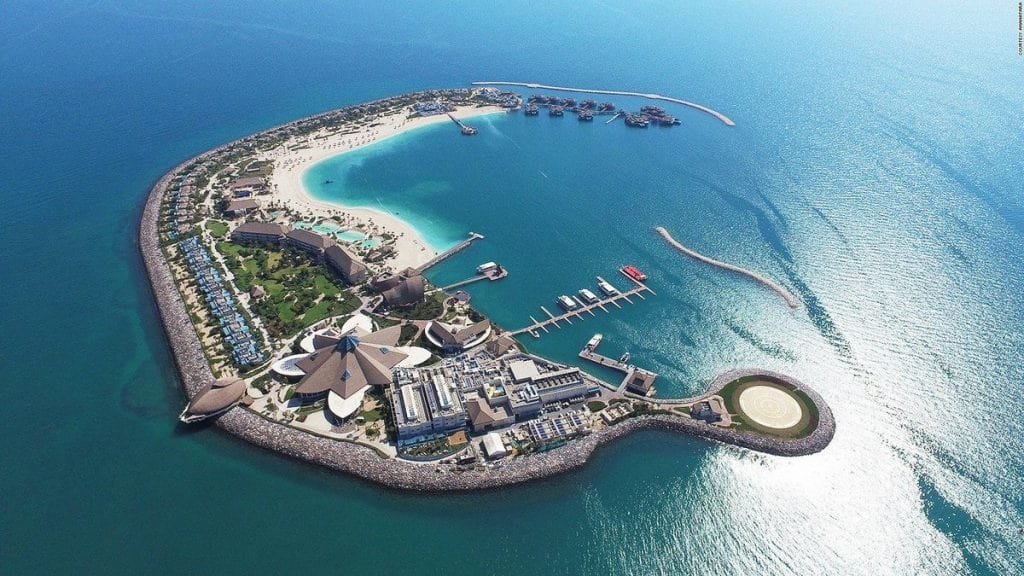
Banana Island is a man-made peninsula reclaimed from the Lagos Lagoon, shaped like its namesake fruit. Spanning approximately 1.6 million square meters off the foreshore of Ikoyi, it was developed through a Nigerian government partnership with the Chagoury Group.
Properties here feature private marinas, underground power supply, 24-hour gated security, and waterfront jetties. The most expensive 6-bedroom detached homes on the water recently listed for ₦7 billion. A single 4-bedroom semi-detached home with private elevator and boys’ quarters sits at $3 million (approximately ₦4.05 billion).
| Nigerian Real Estate Digest @NGRealEstate “Banana Island isn’t just expensive — it’s Africa’s Monte Carlo. The scarcity is architectural: no new plots will ever be created on a closed reclaimed island.” |
2. Eko Atlantic City — The Newest Ultra-Prime Zone
Average property price: ₦1.2 billion – ₦5 billion
Land price per sqm: ₦4 million – ₦8 million
Who lives here: Corporate CEOs, bankers, expats, high-earning professionals in the 30s–50s age bracket
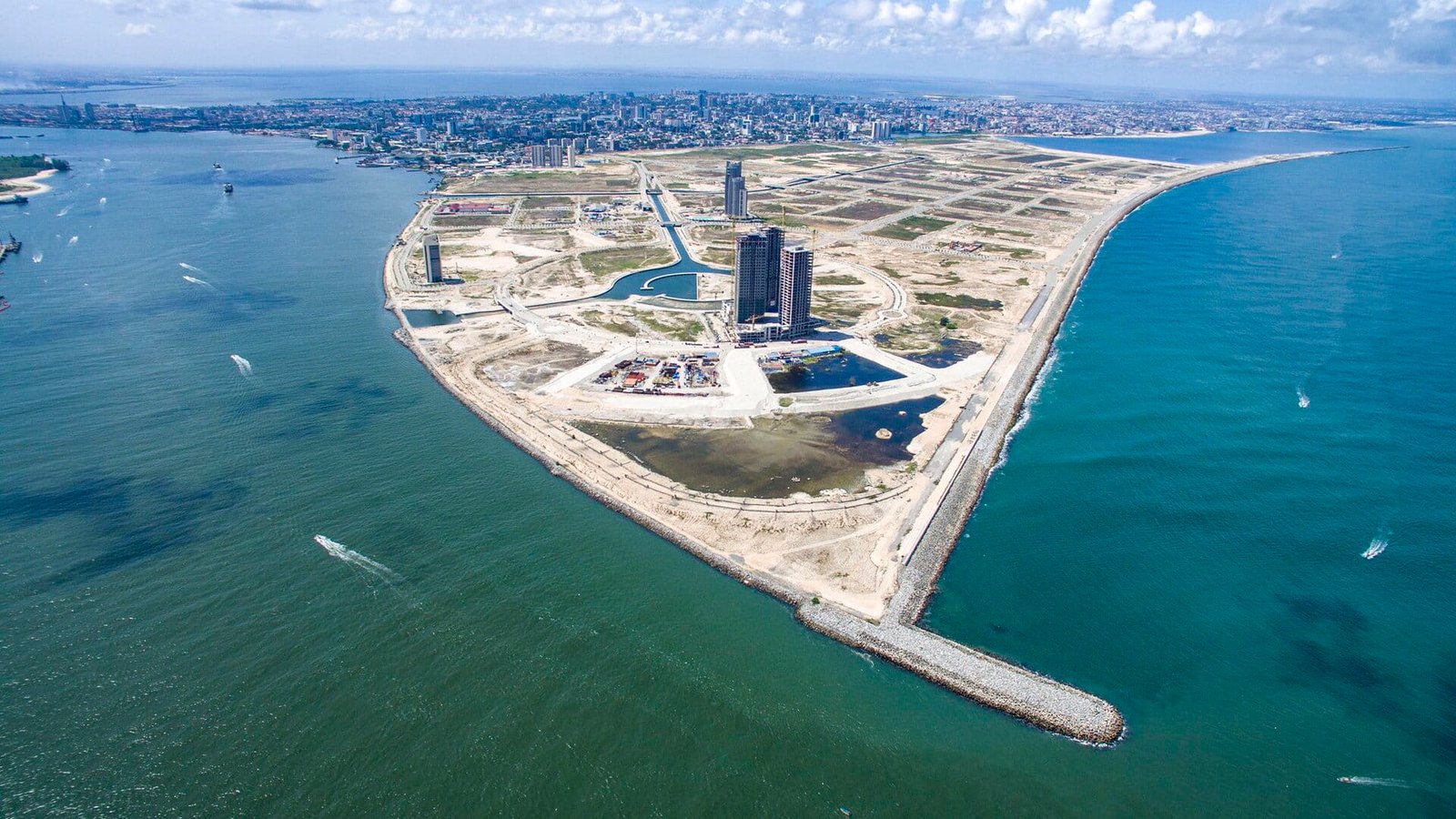
Eko Atlantic City is a brand-new city built on reclaimed land adjacent to Victoria Island. It comprises ten districts including Marina District, Business District, Eko Drive, and Harbour Lights — with flagship developments like Eko Pearl Towers, Azuri Peninsula, and The Hives.
Unlike Banana Island’s old-money vibe, Eko Atlantic attracts newer wealth: tech founders, oil services executives, and returning diaspora Nigerians. Gross rental yields here hit approximately 6.5% in 2026 — the highest of any ultra-prime Lagos district — because corporate tenants pay premium rents for 24/7 power and modern specifications.
The city’s infrastructure (sea wall, underground utilities, fibre internet) is on par with Dubai Marina or Singapore’s Sentosa Cove.
3. Old Ikoyi — Where the Old Money Still Lives
Average property price: ₦800 million – ₦3 billion
Land price per sqm: ₦2.15 million – ₦3.5 million
Who lives here: Second- and third-generation wealth families, senior diplomats, embassy staff, Nigerian elite since the 1960s
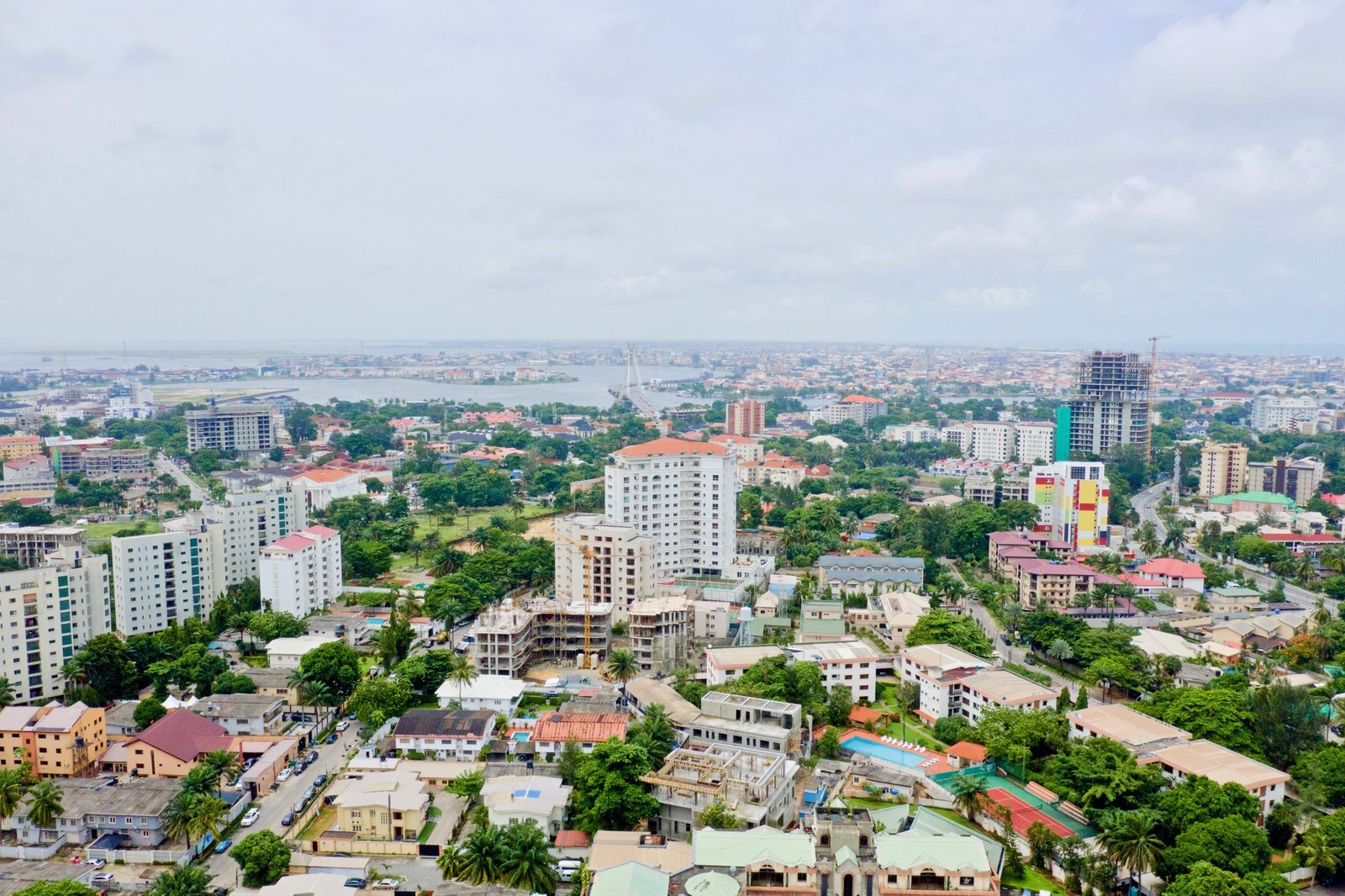
Old Ikoyi — the stretch between Bourdillon, Glover, and Kingsway Roads — is where Nigerian wealth first settled after independence. Leafy, mature, and anchored by embassies, it feels more established than Banana Island.
Luxury flats here start at ₦800 million and exceed ₦3 billion for premium properties. A typical Ikoyi luxury apartment costs around ₦965 million ($622,000), according to The Africanvestor’s H1 2026 analysis. The prestige is subtle — no gated reclamation, just long driveways, mature mango trees, and quiet wealth.
| Adaeze N. @adaezeNG “Ikoyi is where your father bought. Banana Island is where you bought. Ikoyi people don’t flex — they just are.” |
4. Victoria Island — The Commercial Powerhouse
Average property price: ₦600 million – ₦2 billion
Land price per sqm: ₦1.8 million – ₦2.5 million
Who lives here: Banking and oil executives, corporate lawyers, expatriate consultants, hospitality tycoons
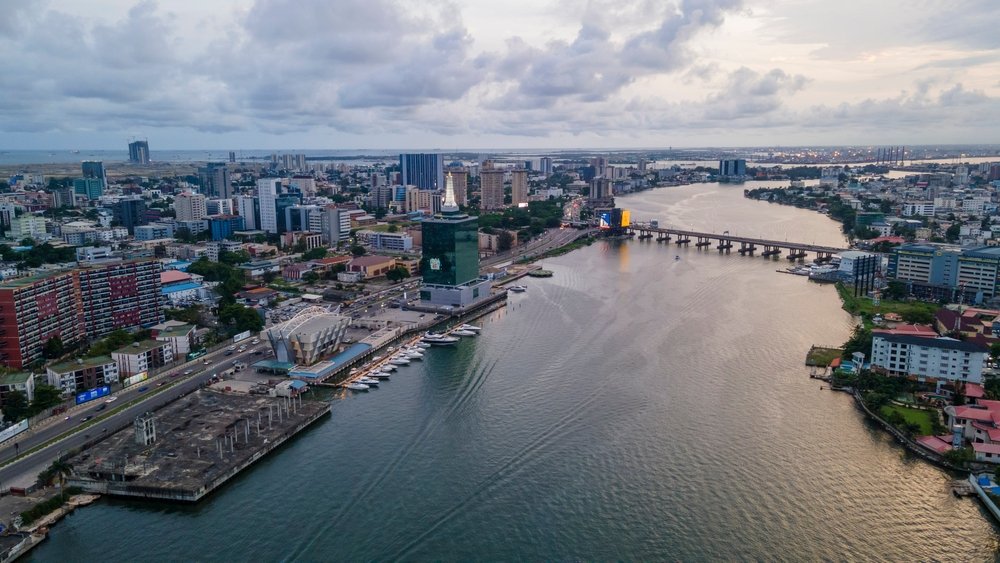
Victoria Island is Lagos’s central business district. The Ozumba Mbadiwe corridor alone hosts nearly every major Nigerian bank headquarters, the US Consulate, the Eko Hotel, and the Civic Centre.
Residentially, VI commands rental yields up to 6.5% — higher than Banana Island or Old Ikoyi — because corporate tenants pay premium rents to live walking distance from their offices. The neighborhood is less “residential prestige” and more “commercial prestige,” which keeps appreciation solid but not explosive.
5. Parkview Estate — The Gated Waterfront Alternative
Average property price: ₦700 million – ₦2.5 billion
Land price per sqm: ₦1.5 million – ₦2.2 million
Who lives here: Tech founders, private equity professionals, senior Shell and Chevron expats
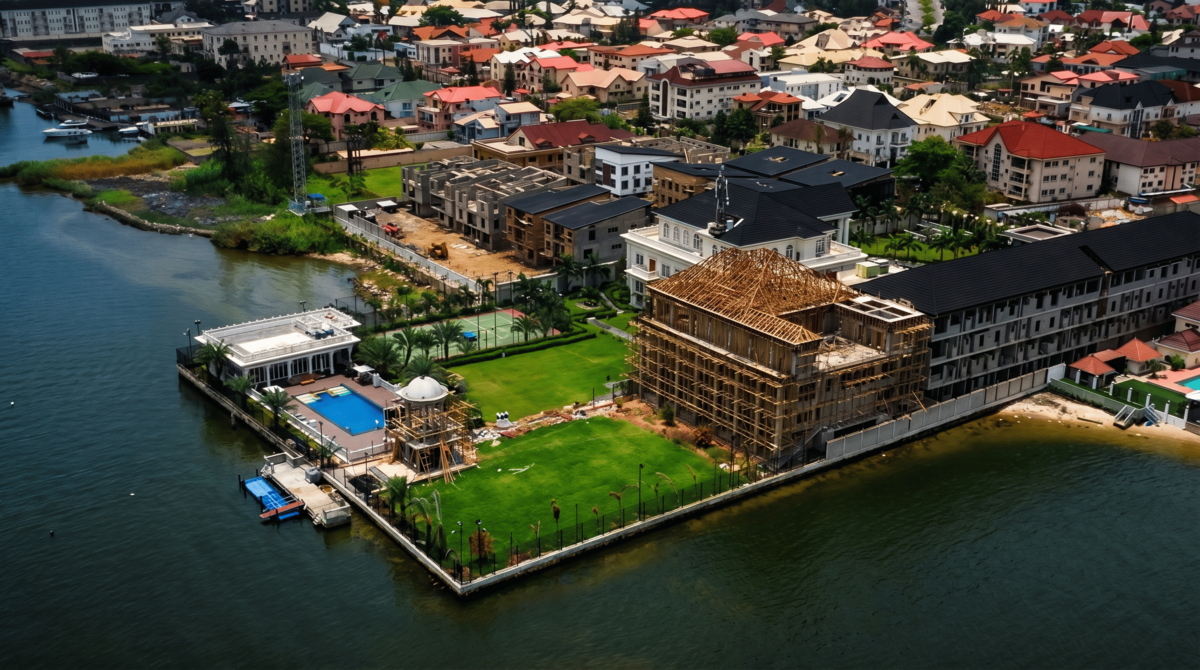
Parkview sits on the Ikoyi foreshore with direct access to the Banana Island bridge. It’s a gated estate with strict security, curved roads, and a mix of standalone mansions and luxury mid-rise apartments.
The estate is managed privately, which means residents pay service charges (₦3–8 million annually) but benefit from reliable power, maintained roads, and restricted access. For buyers priced out of Banana Island, Parkview is the most logical next step.
6. Osborne Foreshore Estate — Ikoyi’s Hidden Waterfront Luxury
Average property price: ₦600 million – ₦1.8 billion
Land price per sqm: ₦1.4 million – ₦2 million
Who lives here: Oil and gas consultants, bank MDs, maritime industry executives
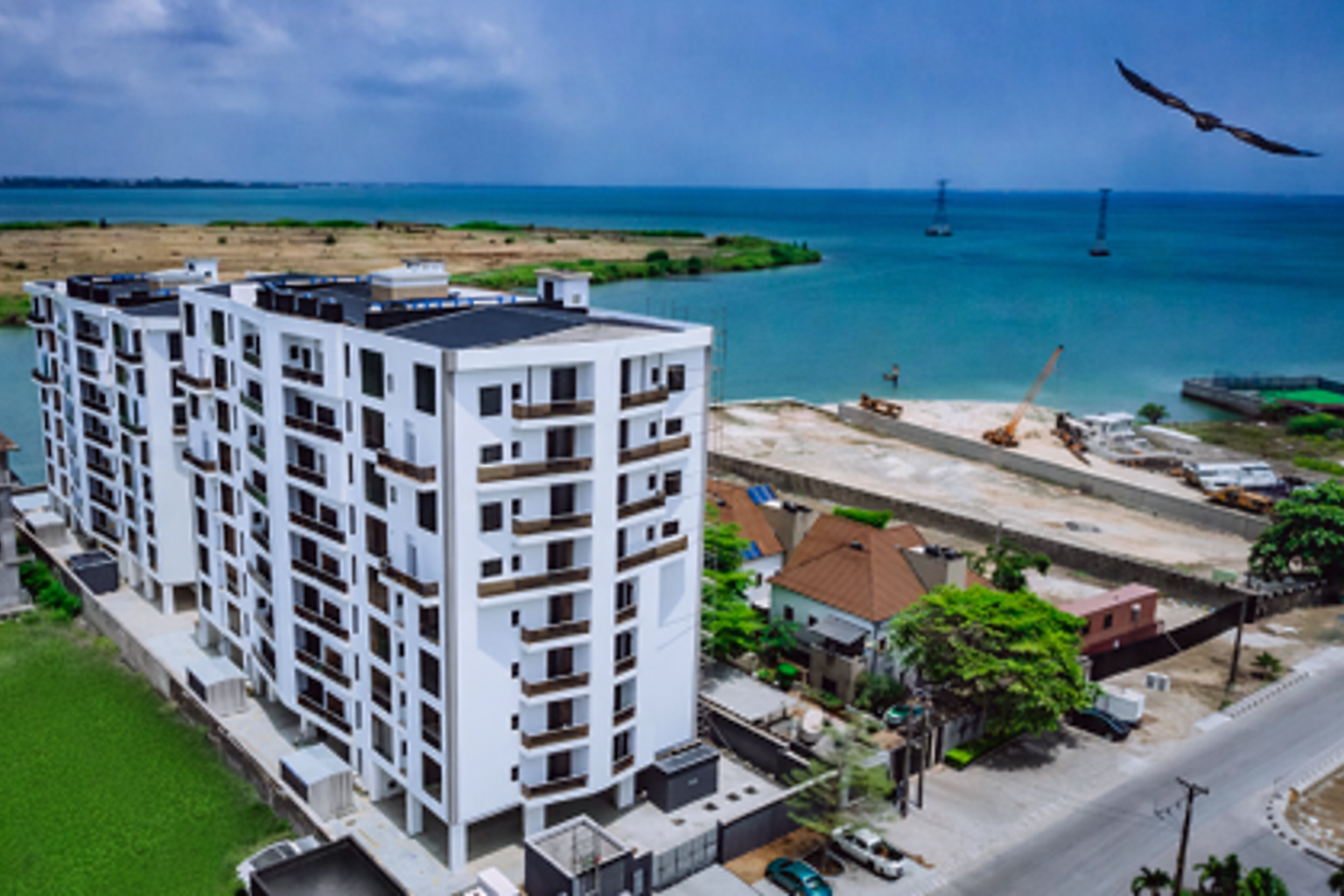
Osborne Foreshore Estate Phase 1 and Phase 2 sit on the Lagos Lagoon foreshore in Ikoyi. The estate is quieter than Parkview and more residential-focused, with a mix of detached homes, terrace duplexes, and new high-end apartment towers.
Phase 2 in particular has become a magnet for new money — developers have built over 20 luxury apartment towers there since 2020, each with pools, gyms, and concierge services.
7. Lekki Phase 1 — The Affordable Luxury Benchmark
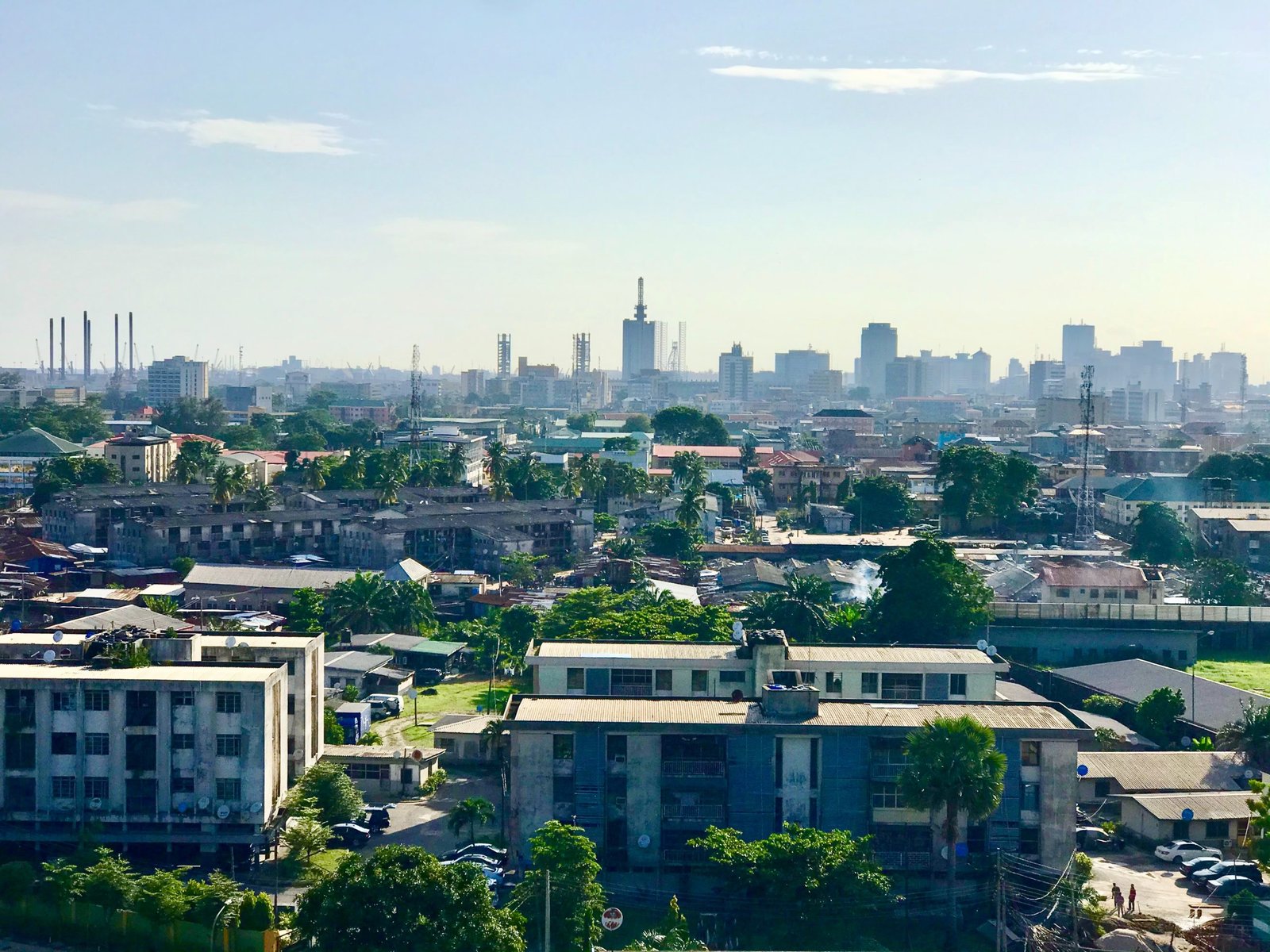
Average property price: ₦350 million – ₦1.2 billion
Land price per sqm: ₦900,000 – ₦1.5 million
Who lives here: Tech entrepreneurs, mid-career bankers, successful small-business owners
Lekki Phase 1 was originally planned as an extension of Victoria Island in the 1990s. Today it’s Lagos’s most popular “new money” address — less prestigious than Ikoyi but significantly more liveable, with wider streets, newer homes, and better drainage.
The neighborhood attracts roughly equal proportions of buyers and renters. Gross rental yields sit at 5–8%, making Lekki Phase 1 one of the best buy-to-rent plays in Lagos for investors with ₦300 million to ₦800 million to deploy.
| Tobi Akindele @tobiNG “Lekki Phase 1 is where you land after making your first ₦500M. It’s not Ikoyi yet — but your kids will upgrade later.” |
8. Oniru Private Estate — Beachfront Luxury Rising Fast
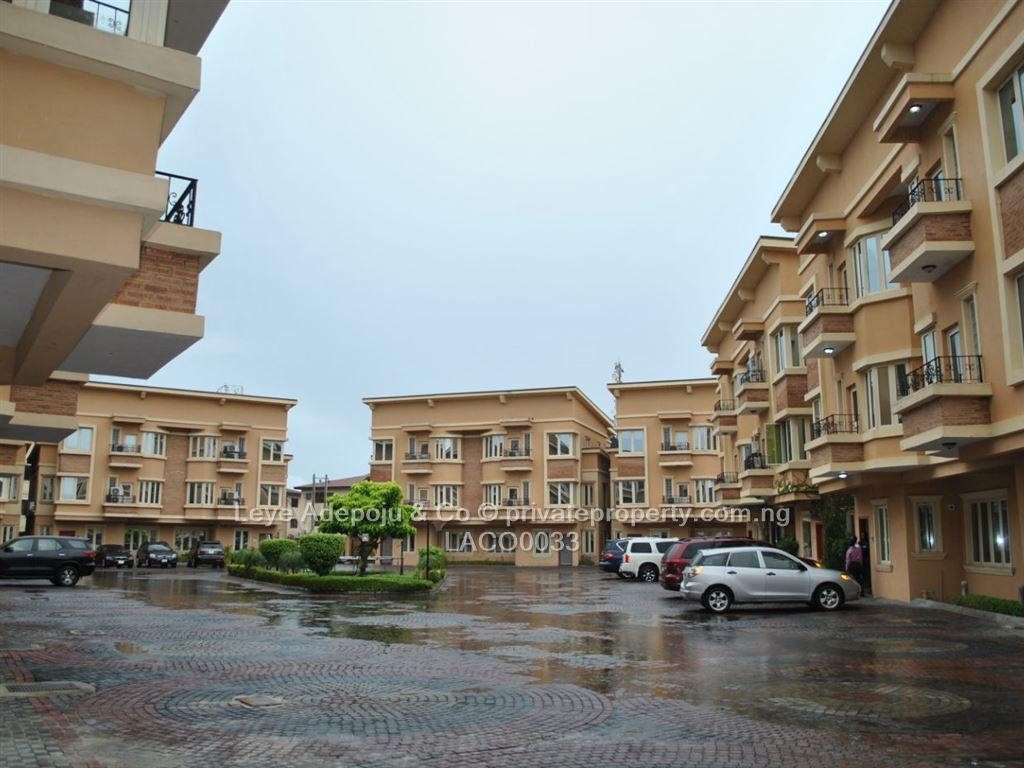
Average property price: ₦400 million – ₦1.5 billion
Land price per sqm: ₦1.2 million – ₦1.8 million
Who lives here: Hospitality entrepreneurs, event industry owners, returning diaspora professionals
Oniru Private Estate sits on the Atlantic Ocean side of Victoria Island, stretching toward Lekki. The estate is owned and managed by the Oniru royal family, which maintains stricter development controls than most Lagos neighborhoods.
Oniru’s value proposition is beachfront access combined with proximity to VI’s offices and nightlife. Knight Frank Nigeria identified Oniru as one of Lagos’s fastest-appreciating prime neighborhoods heading into 2026.
9. Magodo GRA Phase 2 — Mainland’s Prestige Address
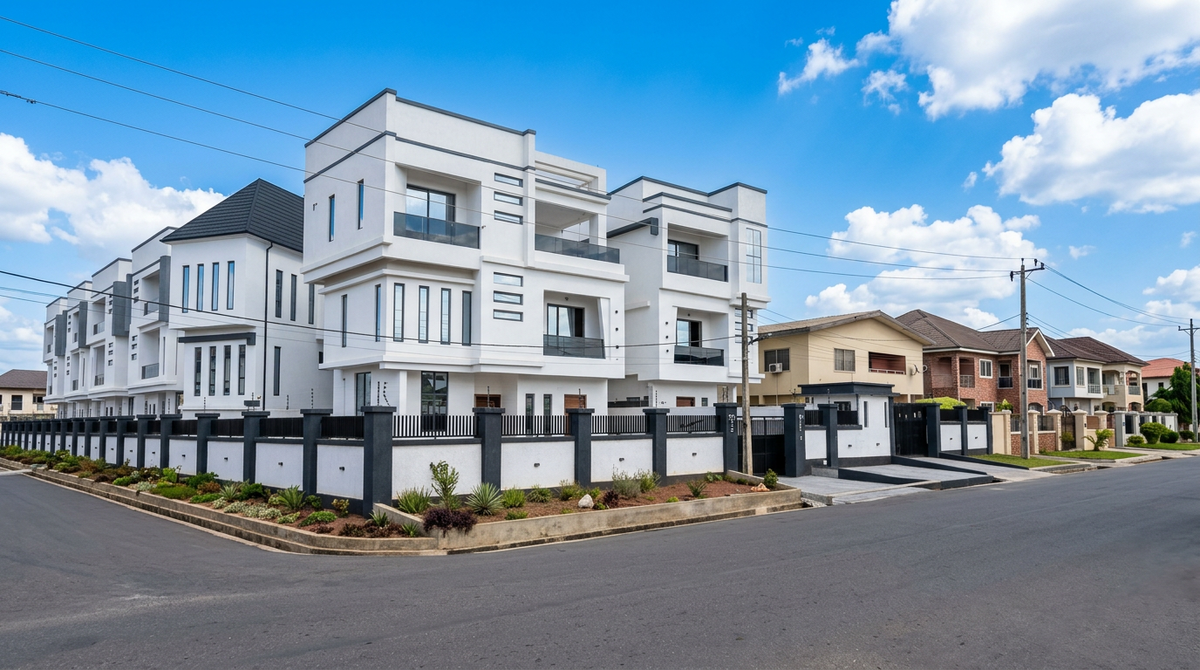
Average property price: ₦250 million – ₦800 million
Land price per sqm: ₦600,000 – ₦1 million
Who lives here: Ikeja-based professionals, government officials, traditional business families
Magodo GRA Phase 2 is the Mainland’s answer to Ikoyi. Well-planned, gated, and quiet, it attracts buyers who want prestige without the Island traffic. Gross rental yields sit at 5–8%, similar to Ikeja GRA.
The Mainland discount is real — you get roughly 2x the property for the same budget. But the trade-off is the 1–2 hour commute to Ikoyi/VI during peak hours.
10. Ikeja GRA — The Mainland Prestige Standard
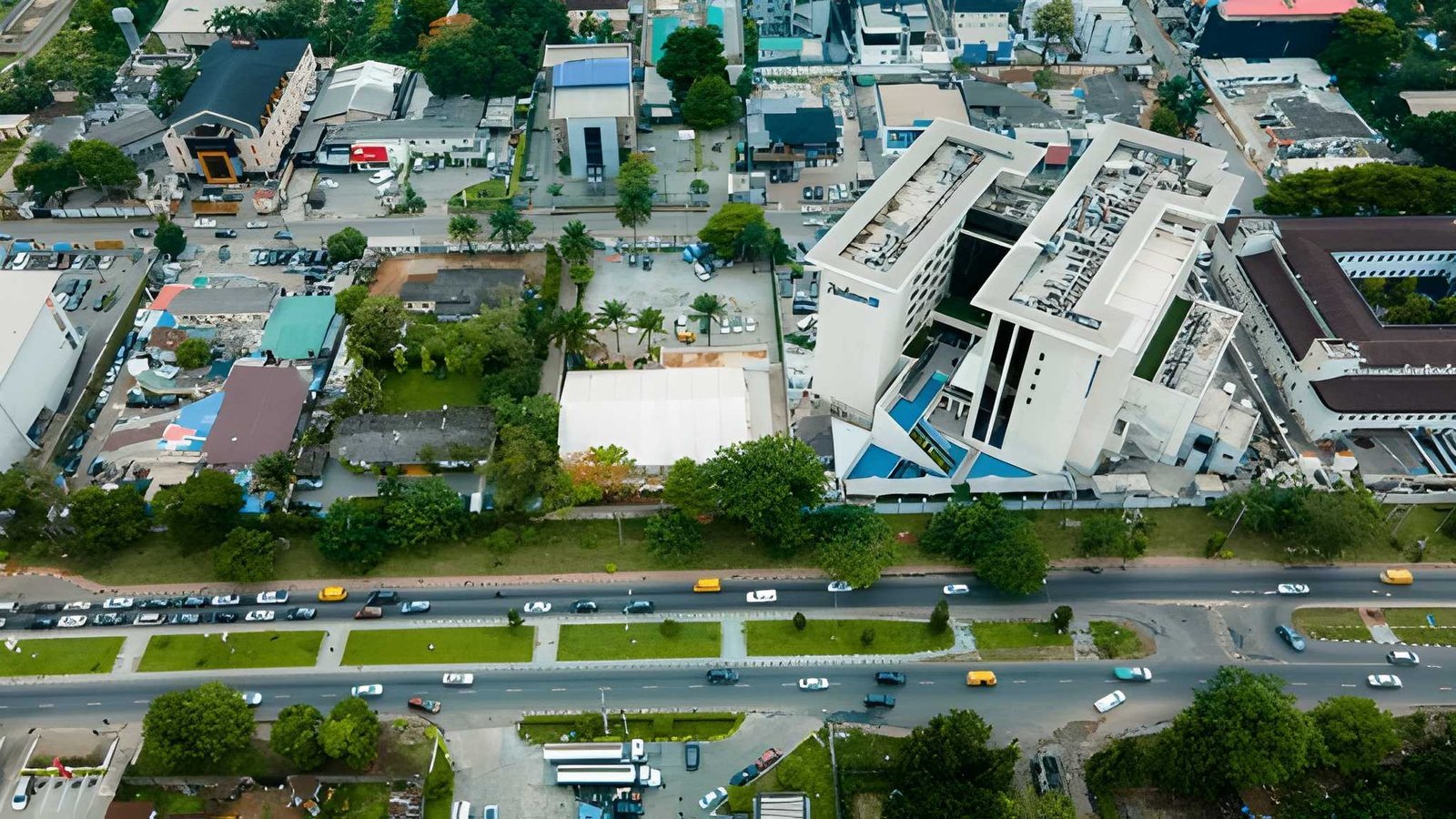
Average property price: ₦200 million – ₦700 million
Land price per sqm: ₦500,000 – ₦900,000
Who lives here: Lagos State government officials, Ikeja-based corporate executives, hotel and hospitality owners
Ikeja GRA houses the Lagos Marriott, Sheraton, Radisson Blu, the Ikeja Golf Club, Shonibare Estate, and the Lagos State High Court. It’s where Mainland wealth has concentrated for 50+ years.
Gross rental yields of 5–8% make Ikeja GRA one of Lagos’s best cash-flow neighborhoods for investors. Appreciation is steadier than Ikoyi or Banana Island — but the floor is solid.
Price Comparison: How These 10 Neighborhoods Stack Up
The gap between #1 Banana Island and #10 Ikeja GRA is roughly 10x on a per-square-meter basis. Banana Island land at ₦9 million per sqm versus Ikeja GRA at ₦900,000 per sqm tells the whole Lagos wealth story.
For a broader state-by-state view of Nigerian land pricing, our state-by-state plot of land price index shows how Lagos compares to Ogun, Abuja, Rivers, and other states.
Common Mistakes Buyers Make in These Neighborhoods
Lagos’s luxury market is forgiving of money but brutal on bad title due diligence. Three mistakes recur across all 10 neighborhoods above.
- Skipping title verification. Even in Banana Island and Ikoyi, fraudulent deeds circulate. Always verify Certificate of Occupancy (C of O) or Governor’s Consent at the Lagos State Lands Bureau before any payment.
- Ignoring service charges. Parkview, Osborne, and Oniru charge ₦3–8 million per year in estate fees. Buyers budgeting only for purchase often can’t sustain these costs.
- Paying list price in a buyer’s market. Lagos transaction prices typically close 8–15% below asking, according to Nigeria Property Centre data. Always negotiate.
If you’re a first-time buyer navigating Lagos, start with our guide on how real estate works in Nigeria before committing any capital to these premium addresses.
Final Word: The Lagos Wealth Map
The 10 richest real estate neighborhoods in Lagos hold more than half a trillion naira in combined property value. They define where Nigerian wealth chooses to concentrate — and where the next generation of high-net-worth buyers will compete fiercely for limited plots.
Banana Island, Eko Atlantic, and Ikoyi remain untouchable at the top. But Oniru, Osborne Phase 2, and Lekki Phase 1 are where the smartest new-money buyers are positioning themselves before prices fully catch up.
At Plot Insider, we track these shifts every quarter — price per square meter, transaction volumes, buyer demographics, and infrastructure catalysts. Bookmark us for data-driven real estate intelligence that tells you where Lagos is actually moving, not where nostalgia says it should be.
Frequently Asked Questions
What is the most expensive neighborhood in Lagos in 2026?
Banana Island is the most expensive neighborhood in Lagos, with land prices reaching ₦9 million per square meter and properties trading between ₦1.5 billion and ₦7 billion. Eko Atlantic City is a close second at ₦4–8 million per square meter.
How much does a house cost in Banana Island Lagos?
A typical luxury home in Banana Island costs between ₦1.5 billion and ₦7 billion ($970,000 to $4.5 million). Entry-level 4-bedroom apartments start near ₦1.2 billion, while premium 6-bedroom waterfront detached homes can exceed ₦7 billion.
Is Lekki Phase 1 still considered a rich neighborhood?
Yes, Lekki Phase 1 remains one of Lagos’s top 10 richest neighborhoods, with average property prices ranging from ₦350 million to ₦1.2 billion. While not as prestigious as Ikoyi or Banana Island, it commands rental yields of 5–8% and appreciates steadily as new tech and banking wealth relocates there.
Which Lagos neighborhood has the highest rental yield?
Eko Atlantic City delivers the highest gross rental yields among ultra-prime Lagos neighborhoods at approximately 6.5% in 2026. Victoria Island and Yaba also offer yields in the 5–8% range, according to The Africanvestor’s analysis of Nigeria Property Centre data.
Sources
1. Best Areas to Buy Property in Lagos (2026) — The Africanvestor. https://theafricanvestor.com/blogs/news/lagos-nigeria-which-area
3. 7 Most Expensive Neighborhoods In Lagos — BuyLetLive Blog. https://blog.buyletlive.com/research-insights/expensive-neighborhoods-in-lagos/
4. Houses for Sale in Banana Island, Ikoyi, Lagos — Nigeria Property Centre. https://nigeriapropertycentre.com/for-sale/houses/lagos/ikoyi/banana-island/showtype
5. Banana Island Lagos: Inside Nigeria’s Most Expensive Neighborhood (2026) — Nigeria Housing Market. https://www.nigeriahousingmarket.com/lagos/banana-island-lagos