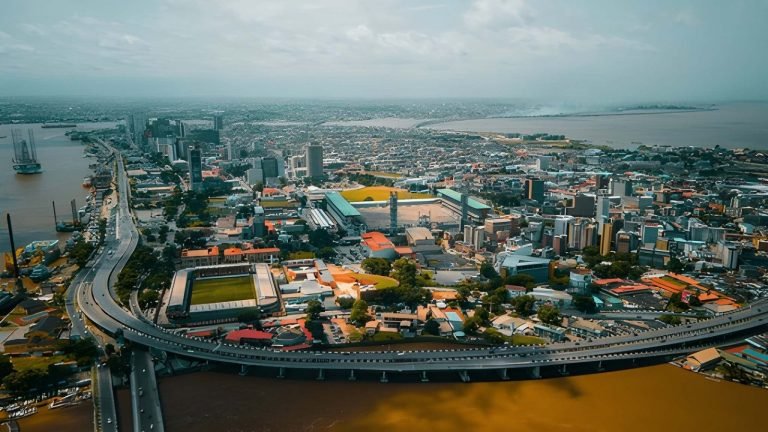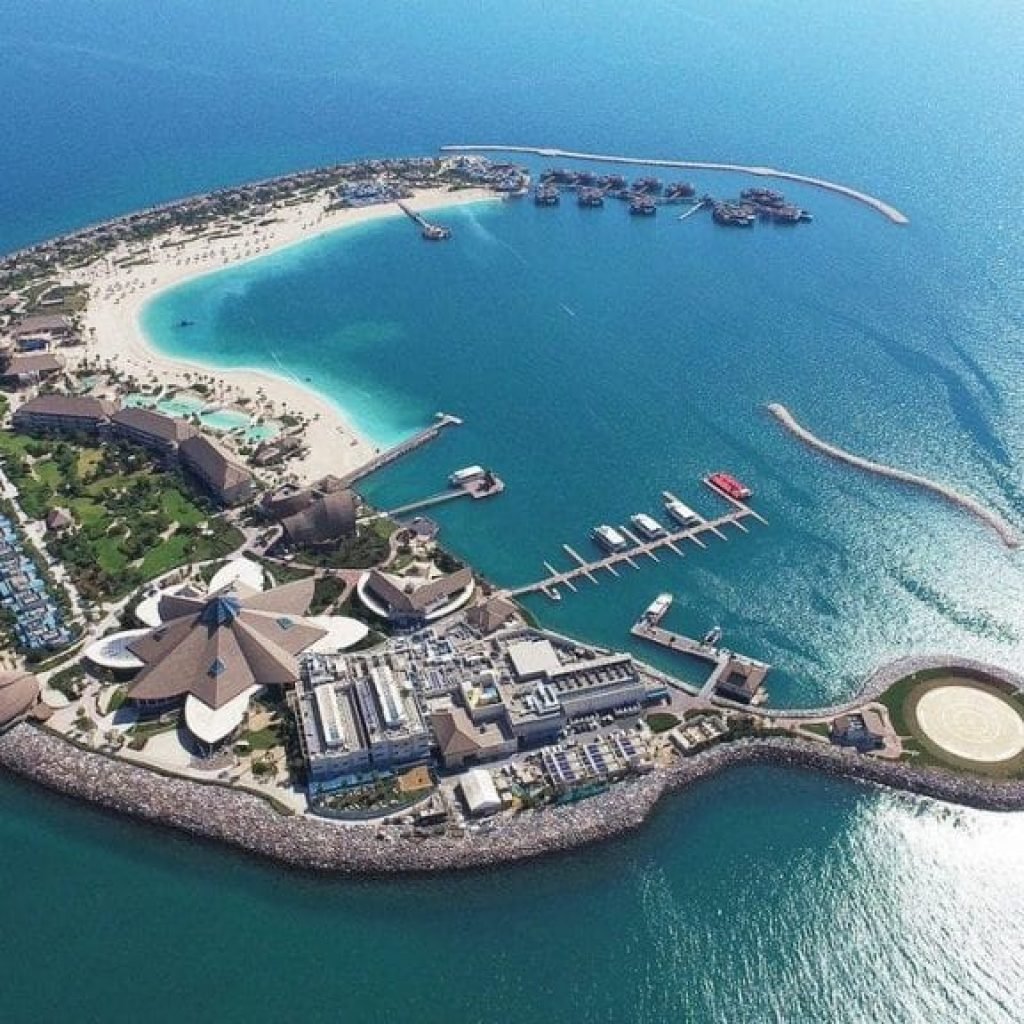
₦9 million per square meter in Banana Island. ₦800,000 per square meter in Maitama’s Ministers Hill. ₦270,000 per square meter in Port Harcourt’s Old GRA. Welcome to Nigeria’s wealth map — where 20 neighborhoods across 4 cities concentrate over 90% of the country’s luxury real estate transactions.
This pillar ranking pulls together 2026 data from Lagos, Abuja, Port Harcourt, and emerging wealth centers in Enugu, Ibadan, and Kano. It combines price-per-square-meter, average property value, and resident profile to produce Nigeria’s most comprehensive national wealth-neighborhood index.
This isn’t a glossy magazine list. It’s the Plot.
Key Takeaways
- Lagos holds 9 of Nigeria’s top 20 wealthiest neighborhoods — more than any other state
- Abuja follows with 6 neighborhoods, all concentrated in Phase 1 and Phase 2 FCT districts.
- Port Harcourt contributes 2 (Old GRA and New GRA) as the South-South’s luxury anchor
- Enugu, Ibadan, and Kano each place one emerging neighborhood in the top 20
- The top 5 all command property prices above ₦800 million on average, with Banana Island and Maitama breaching ₦7 billion
How This Ranking Was Built
This list ranks neighborhoods using three weighted metrics: average property transaction price, land value per square meter, and a wealth-density score based on resident profile and income concentration.
Data comes from our team of Real Estate Researchers at PlotInsider, Nigeria Property Centre, PropertyPro, The Africanvestor’s H1 2026 analysis, and AI Realent’s state-by-state property ranking. For neighborhoods outside Lagos/Abuja/PH, we cross-referenced local agent price listings with 2025–2026 market reports.
We excluded pure commercial districts (Marina, Idumota) and focused only on residential neighborhoods where high-net-worth Nigerians actually live.
Why These 20 Neighborhoods Matter
According to Next Move Strategy Consulting’s 2026 analysis, Nigeria’s real estate market is valued at $32.2 billion. The top 20 wealthiest neighborhoods represent roughly 60% of that total value — concentrated in less than 0.1% of the country’s residential land area.
Understanding where that wealth sits matters for three groups: investors tracking appreciation patterns, agents pricing mandates for high-net-worth sellers, and diaspora Nigerians choosing where to buy when they return home.
Nigeria’s median home price sits around ₦150 million in 2026. The neighborhoods below start at 2x that median and scale upward to 50x at the apex.
The 20 Wealthiest Real Estate Neighborhoods in Nigeria
1. Banana Island (Lagos) — ₦1.5B–₦7B
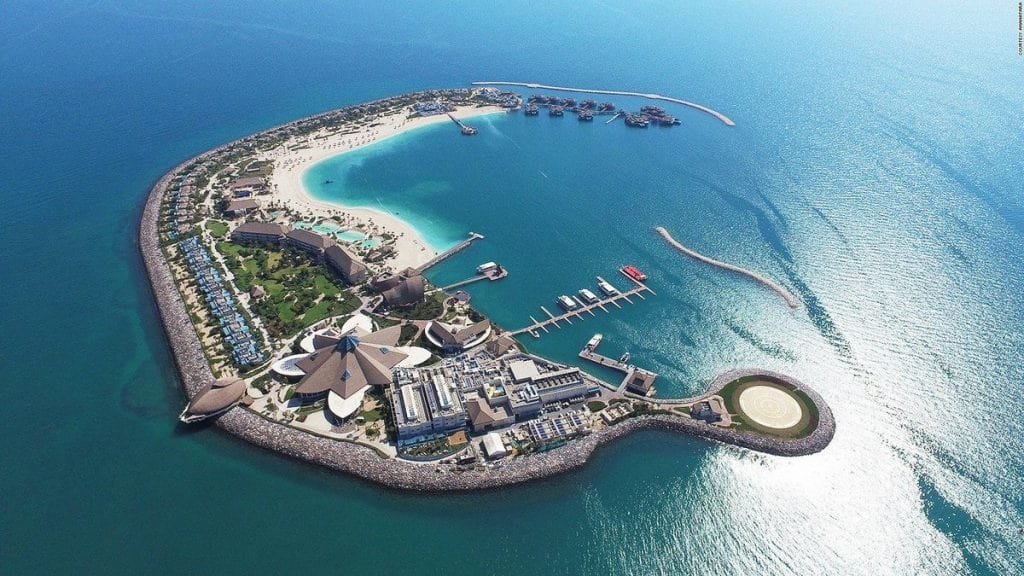
Nigeria’s undisputed apex. Land at ₦9 million per sqm. Home to Mike Adenuga, Aliko Dangote, and Davido. Man-made peninsula with 1.6 million sqm of curated ultra-luxury housing.
2. Maitama District (Abuja) — ₦800M–₦30B
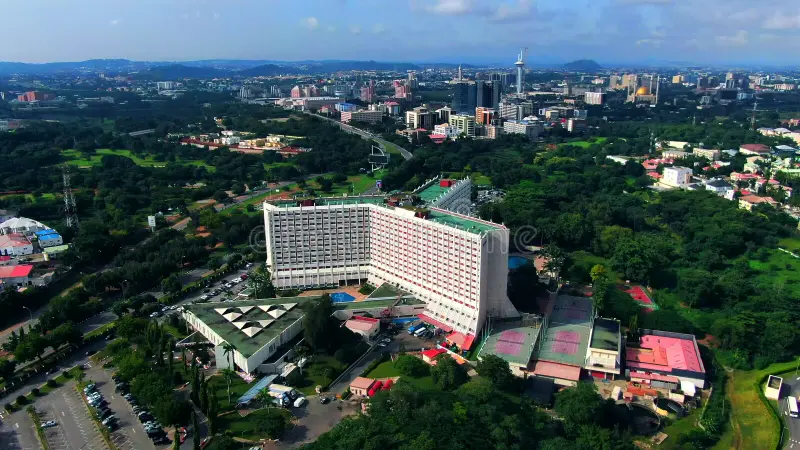
Abuja’s diplomatic power zone. Land on Ministers Hill at ₦400–800 million per 1,000 sqm plot. Home to ministers, ambassadors, and oil magnates. 7% rental yields — the highest in Abuja.
3. Eko Atlantic City (Lagos) — ₦1.2B–₦5B
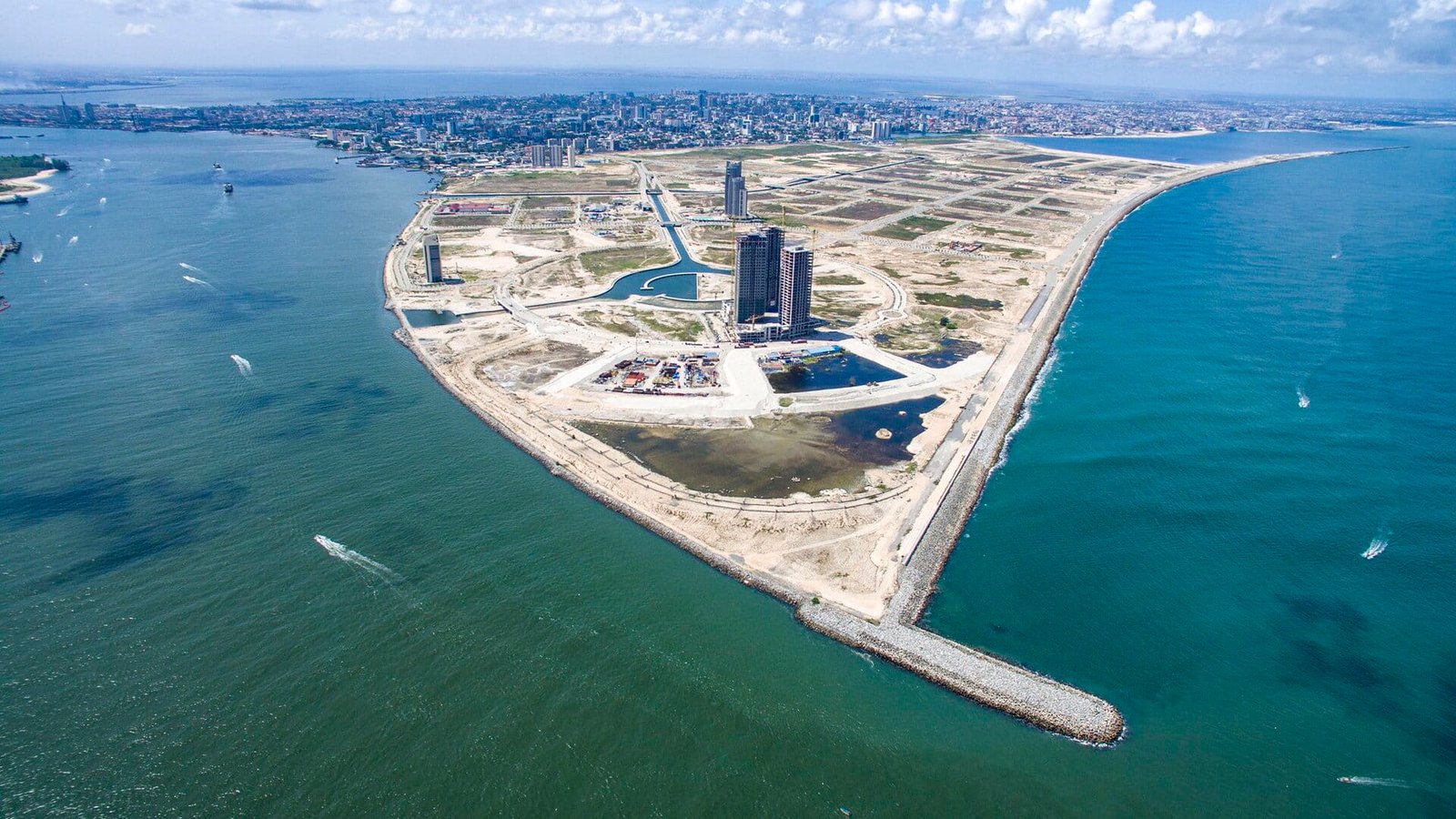
Lagos’s newest ultra-prime zone. Land at ₦4–8 million per sqm. Gross rental yields of 6.5% — the highest among ultra-prime Lagos districts. Corporate and diaspora wealth concentrated in 10 planned districts.
4. Asokoro (Abuja) — ₦700M–₦20B
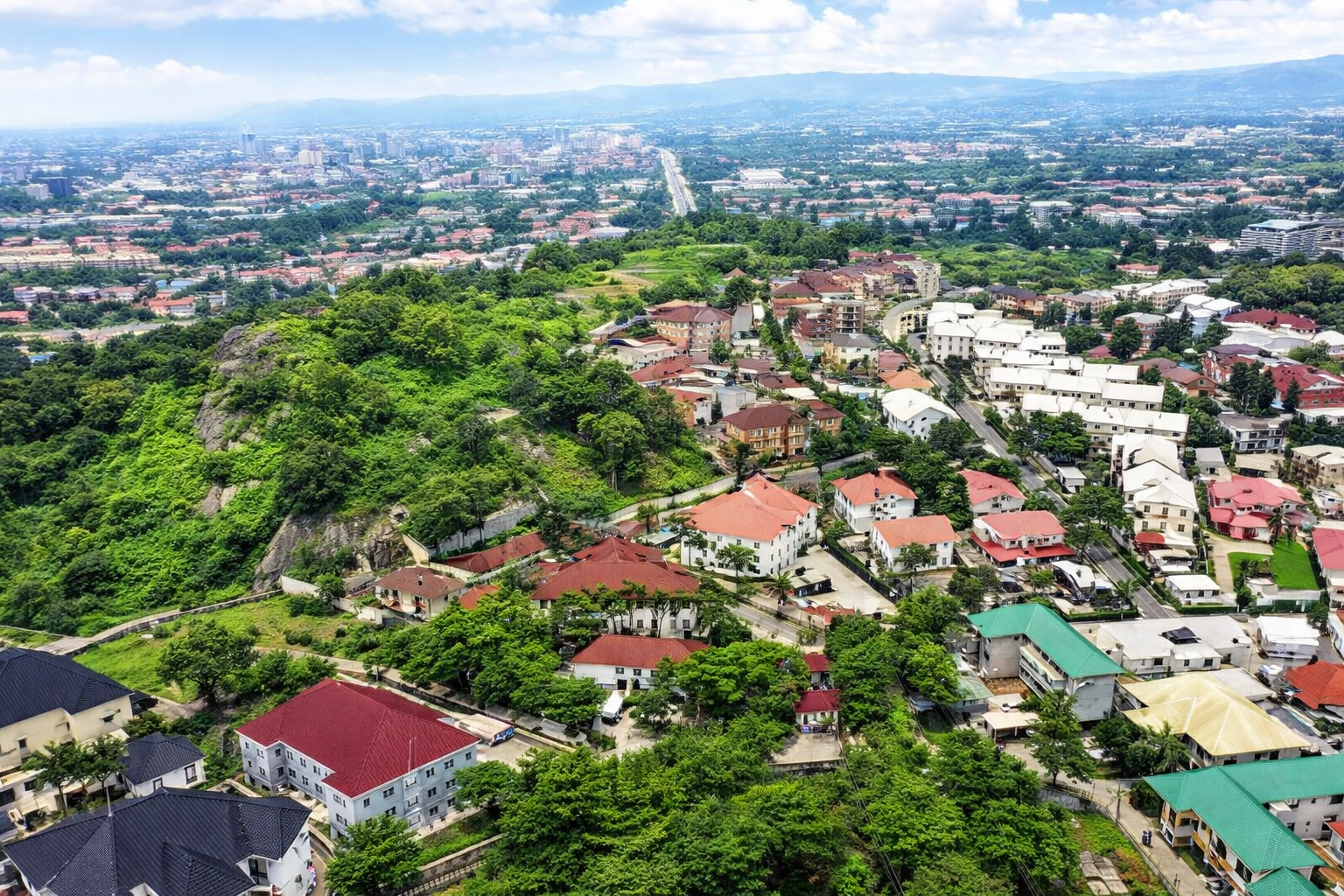
Abuja’s power zone, home to Aliko Dangote, Abdulsamad Rabiu, and former presidents. Aso Drive is effectively invitation-only. Transactions happen quietly between individuals of extraordinary means.
| Nigeria Wealth Watch @NGWealth “Top 5 neighborhoods in Nigeria. Four belong to Lagos and Abuja. If you’re not in one of these four, you haven’t arrived.” |
5. Old Ikoyi (Lagos) — ₦800M–₦3B
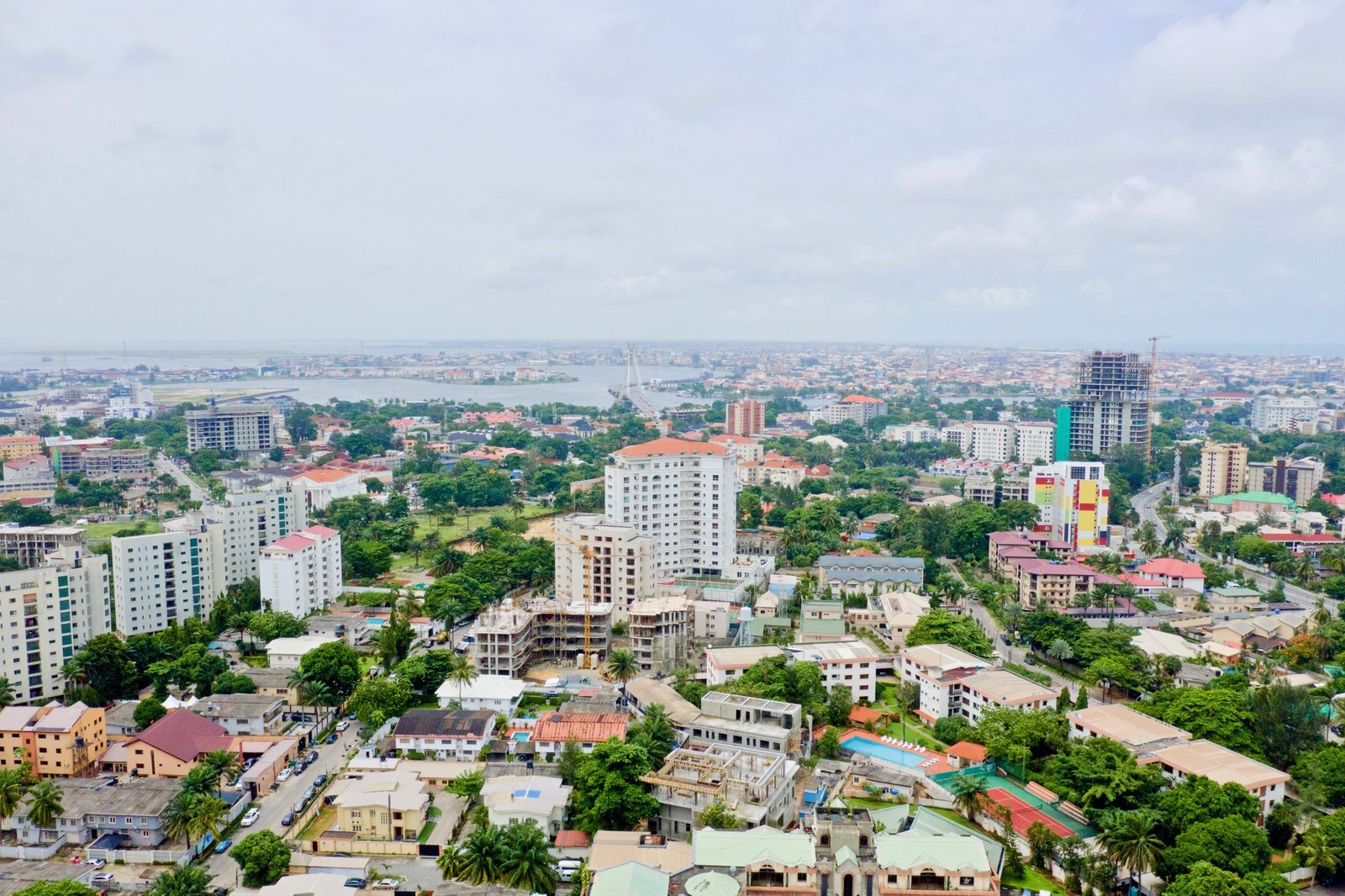
Lagos’s old-money benchmark. Land at ₦2.15 million per sqm. Mature trees, quiet streets, and second- or third-generation wealth families. Less flashy than Banana Island but more established.
6. Guzape District (Abuja) — ₦300M–₦2B
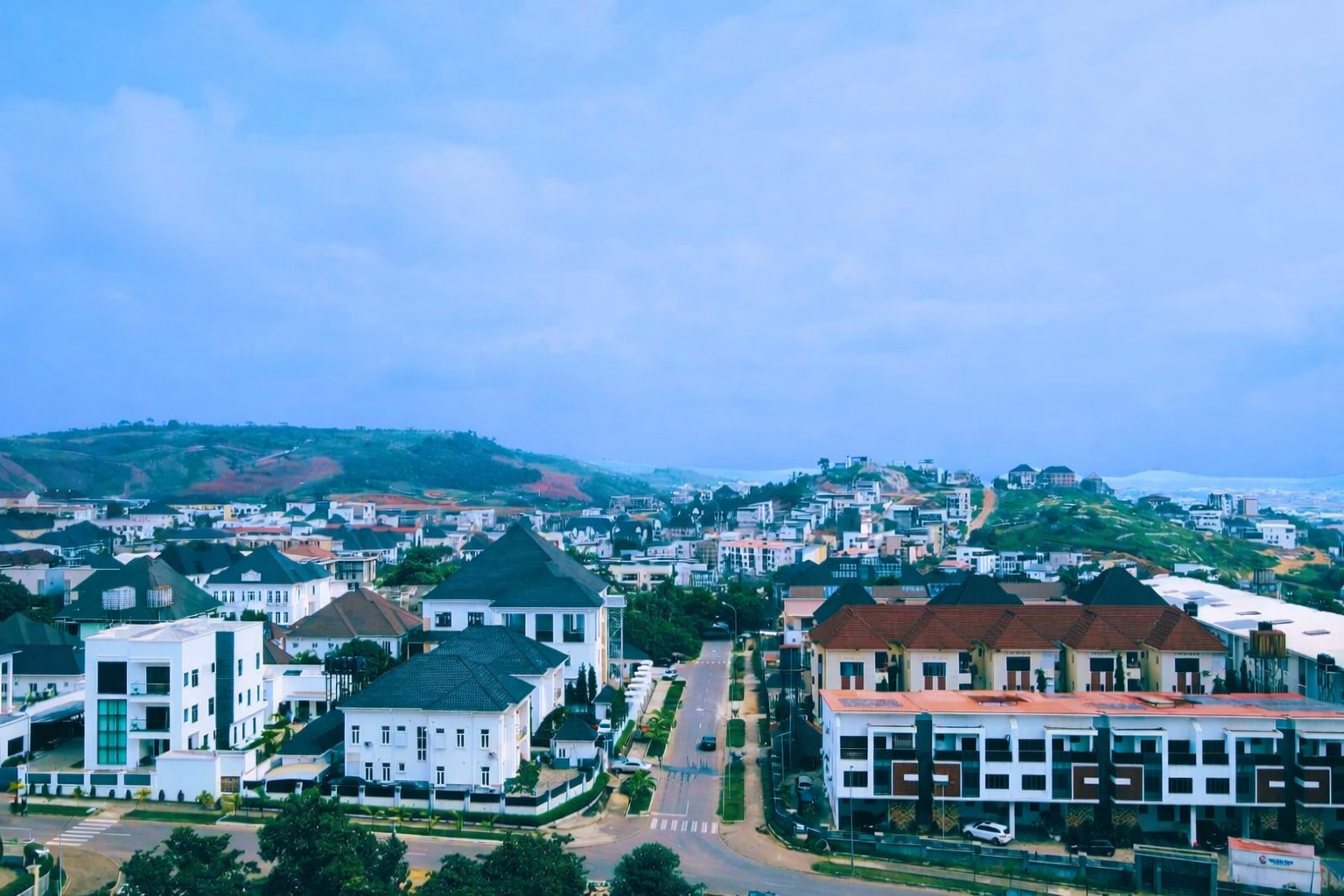
Abuja’s fastest-appreciating address at 15–20% annual growth. Obi Cubana’s famous mansion anchors Guzape’s celebrity wealth profile. Designated residential in the FCT master plan.
7. Victoria Island (Lagos) — ₦600M–₦2B
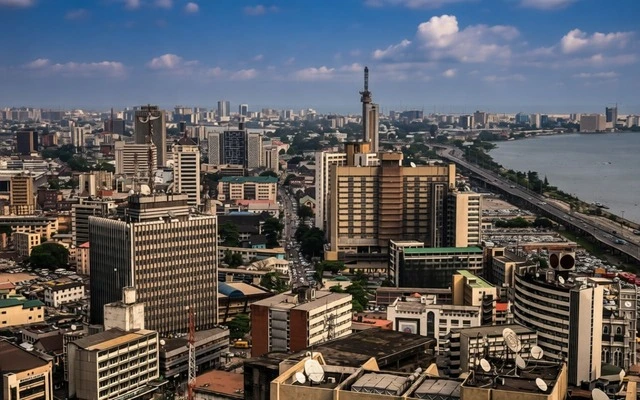
Lagos’s commercial powerhouse. Ozumba Mbadiwe corridor hosts nearly every major Nigerian bank. Rental yields up to 6.5% — higher than Banana Island or Old Ikoyi.
8. Parkview Estate (Lagos) — ₦700M–₦2.5B
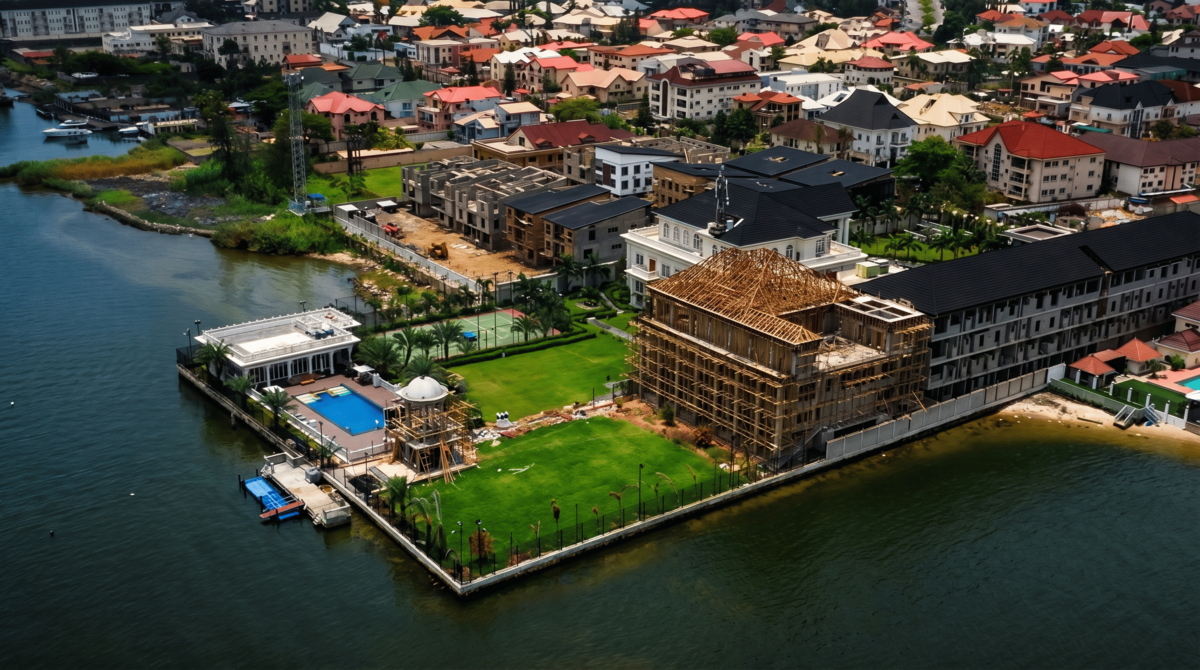
Gated waterfront alternative to Banana Island. Land at ₦1.5–2.2 million per sqm. Tech founders, private equity professionals, and senior oil expats.
9. Old GRA (Port Harcourt) — ₦500M–₦1.8B
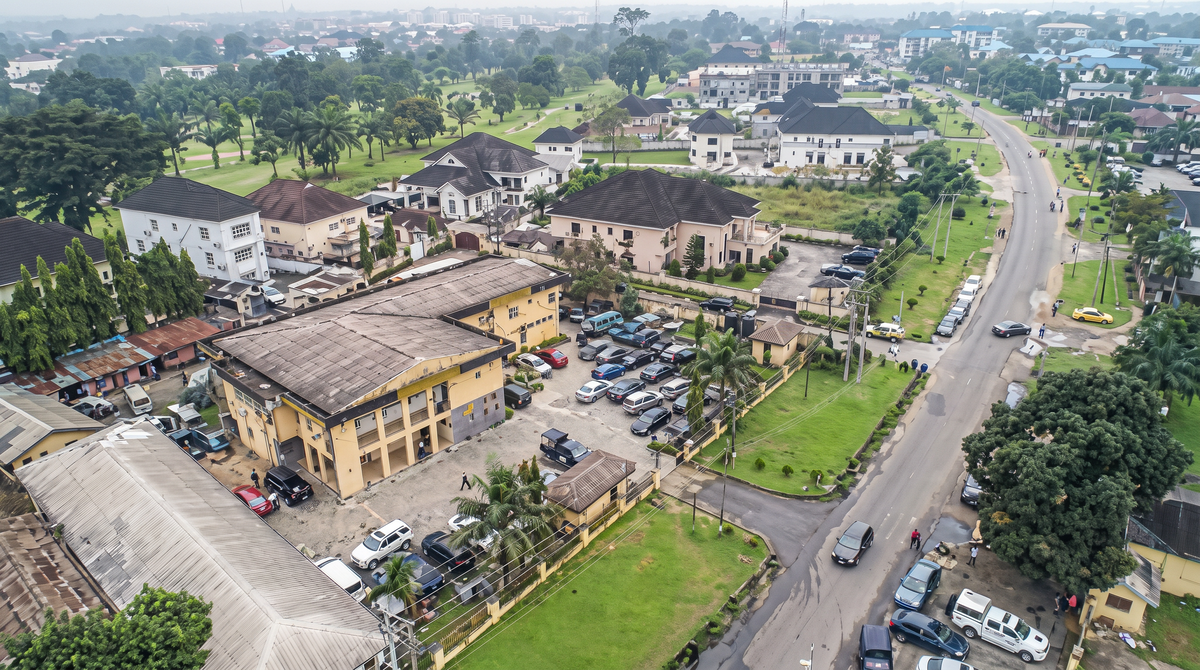
Rivers State’s historic oil-money benchmark. Land at ₦200,000–270,000 per sqm. Home to Shell, Chevron, and TotalEnergies executives. A 9,300 sqm land bank recently listed at ₦2.5 billion.
10. Osborne Foreshore Estate (Lagos) — ₦600M–₦1.8B
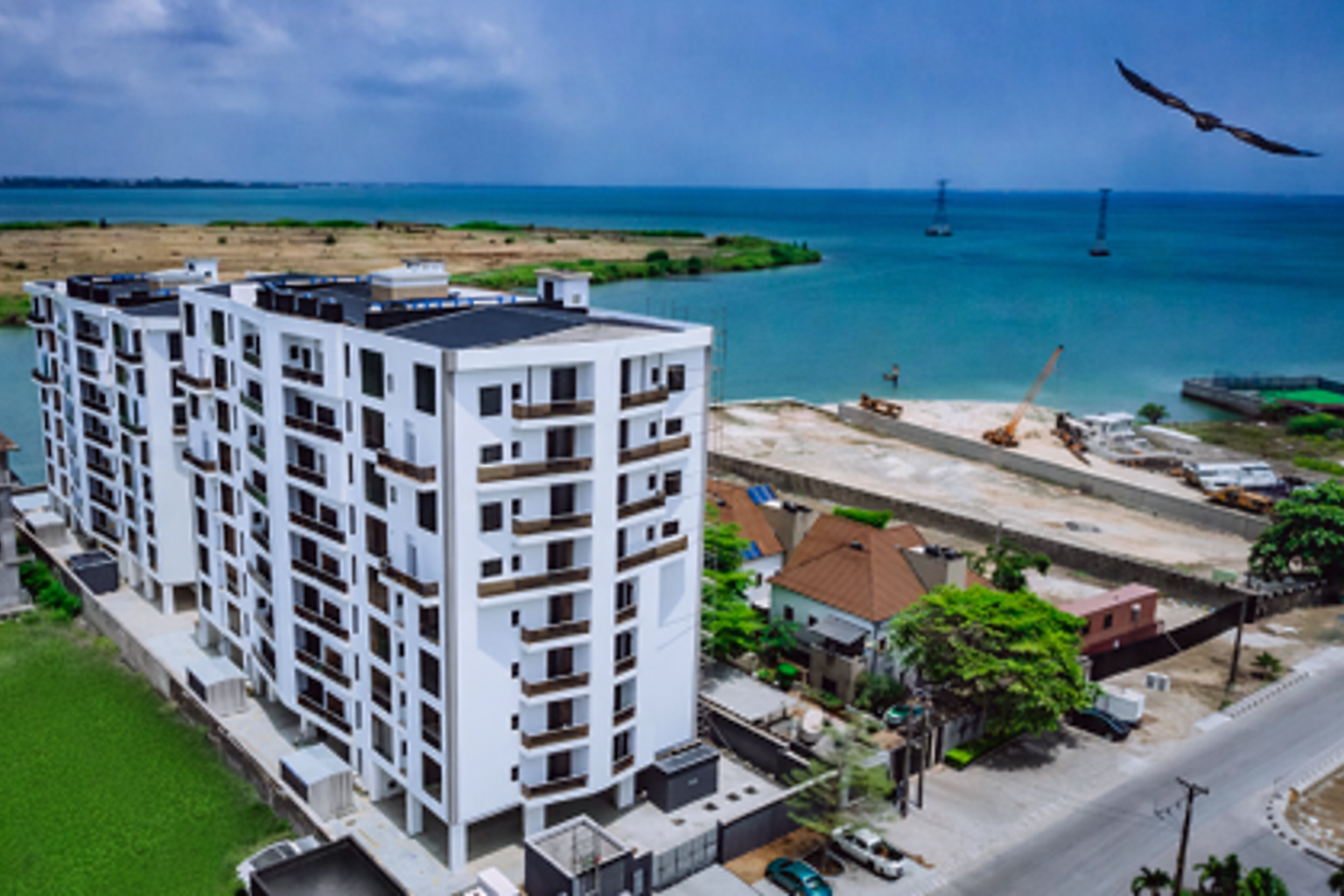
Hidden Ikoyi luxury. Phase 2 has become a magnet for new money with 20+ luxury apartment towers built since 2020. Oil and gas consultants, bank MDs.
11. Wuse II (Abuja) — ₦200M–₦1.5B
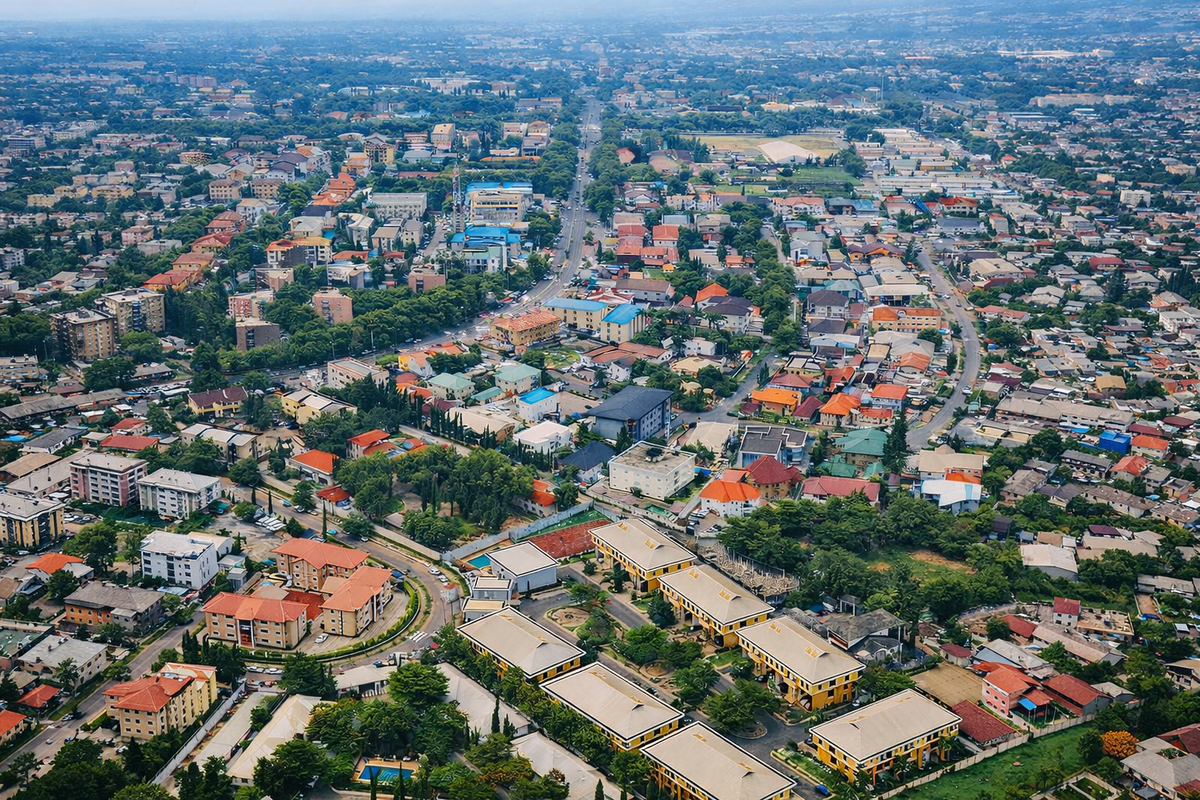
Abuja’s lifestyle and commercial heart. Apartments at ₦2.5 million per sqm — the highest apartment pricing in the FCT. Upscale restaurants, hotels, and serviced apartments dominate.
12. Katampe Extension (Abuja) — ₦250M–₦1.5B
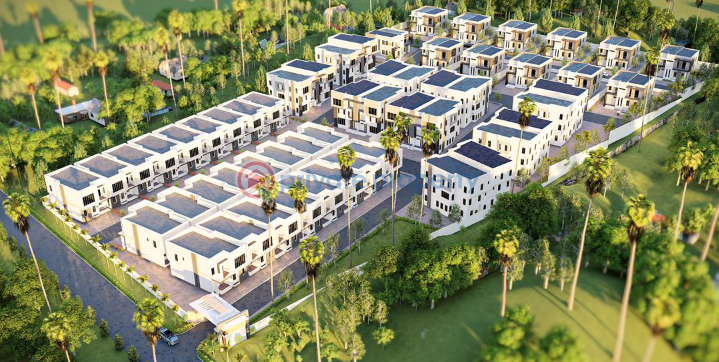
View-premium zone in Abuja. Direct panoramic views of Aso Rock and surrounding hills. Favored by diaspora returnees seeking modern finishes at 60–70% of Maitama pricing.
13. New GRA (Port Harcourt) — ₦180M–₦1.8B
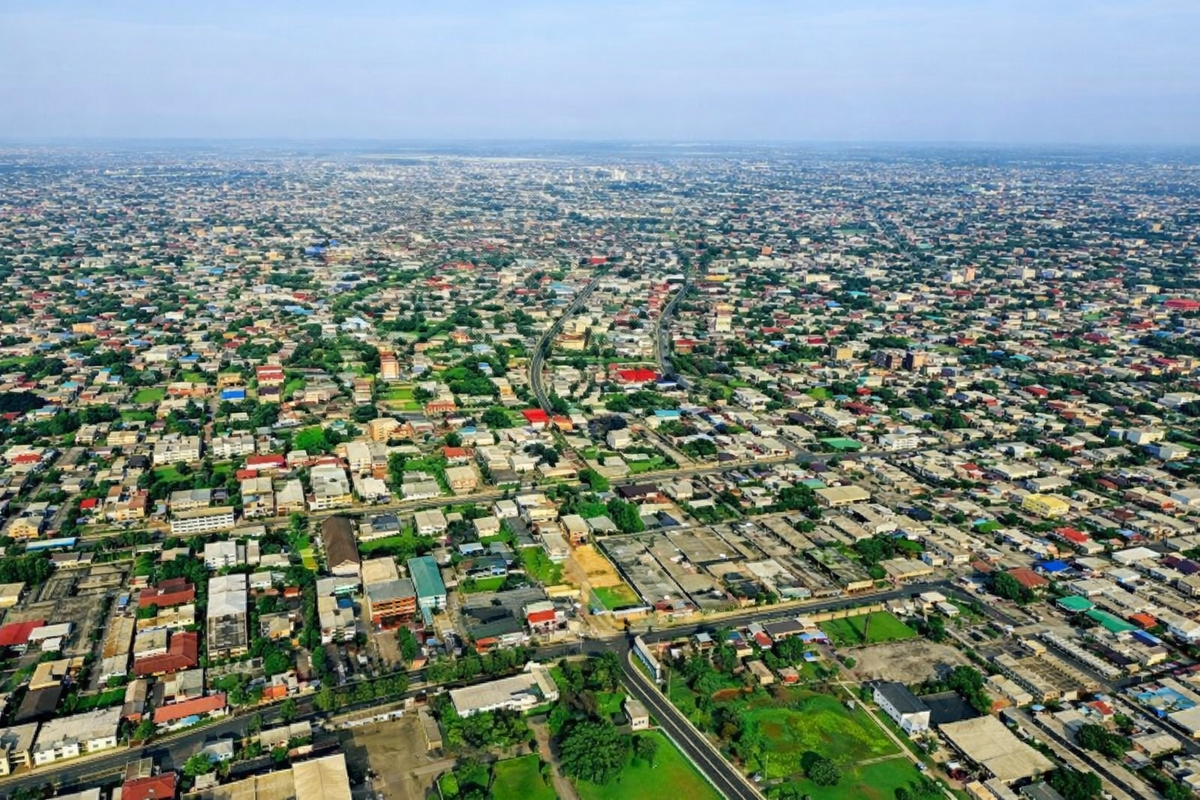
Modern luxury alternative to Old GRA. A 5-bedroom automated triplex with smart-home integration and biometric security recently listed at ₦1.8 billion — a record for new Port Harcourt.
14. Lekki Phase 1 (Lagos) — ₦350M–₦1.2B
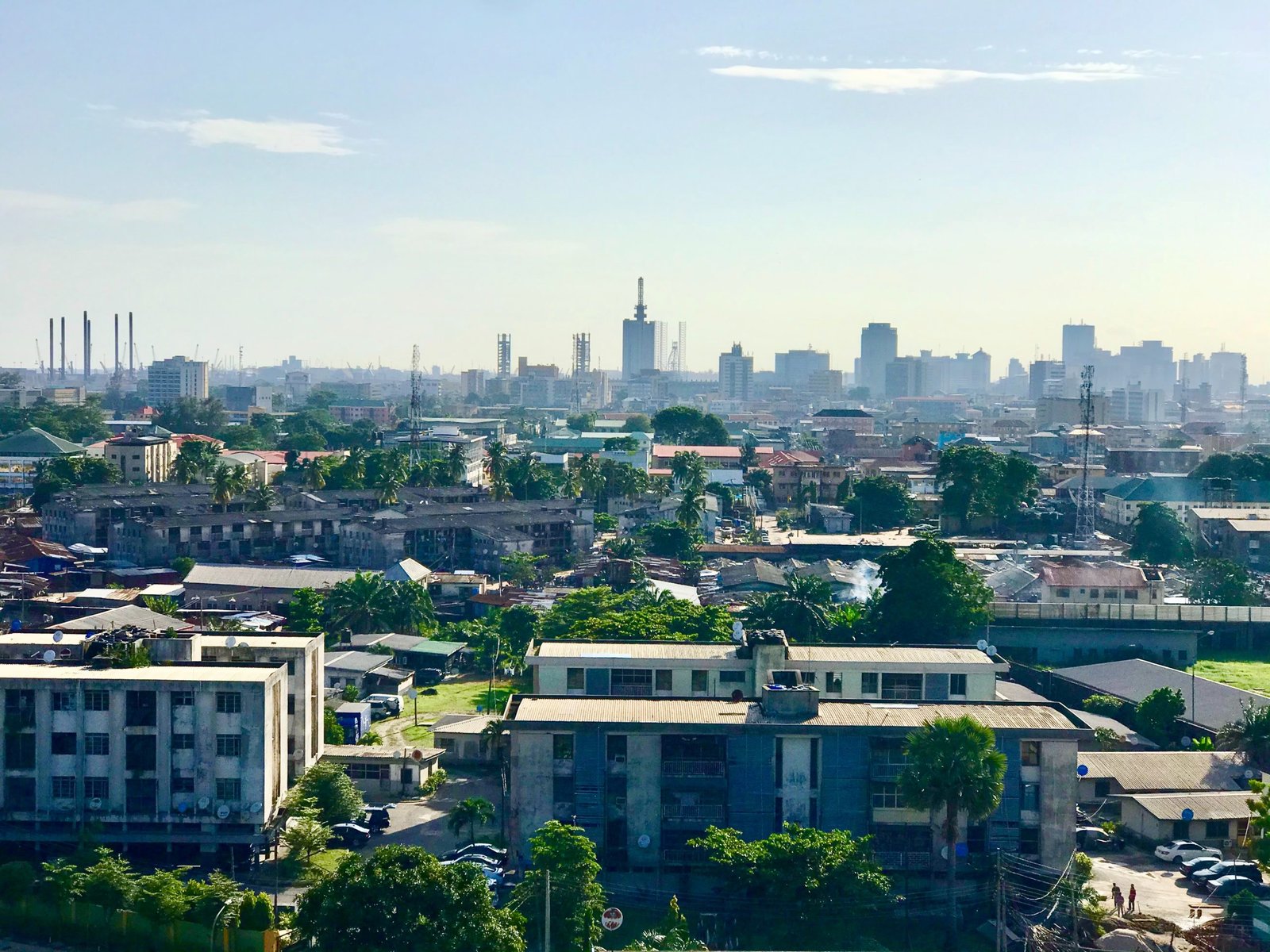
Lagos’s affordable luxury benchmark. Tech entrepreneurs and mid-career bankers. Gross rental yields of 5–8% — the best Lagos buy-to-rent play.
15. Oniru Private Estate (Lagos) — ₦400M–₦1.5B
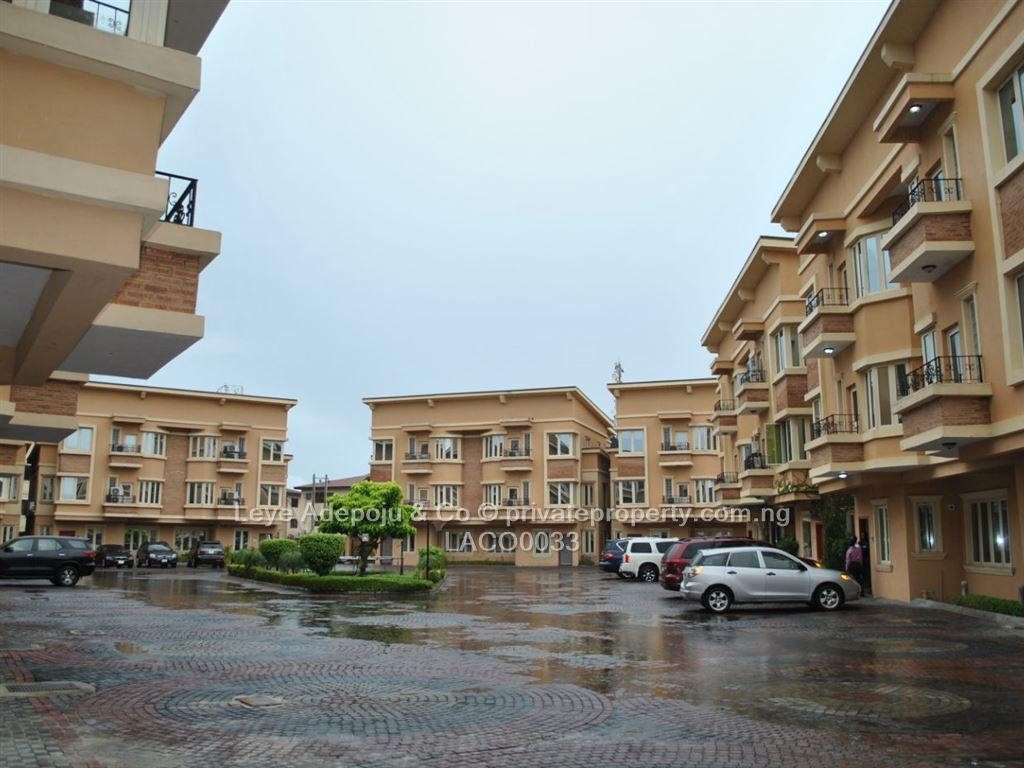
Beachfront luxury rising fast. Managed by the Oniru royal family with strict development controls. Identified by Knight Frank as one of Lagos’s fastest-appreciating prime neighborhoods.
16. Jabi (Abuja) — ₦180M–₦800M
| [IMAGE PLACEHOLDER: Jabi Lake Mall and waterfront with modern mid-rise serviced apartments] |
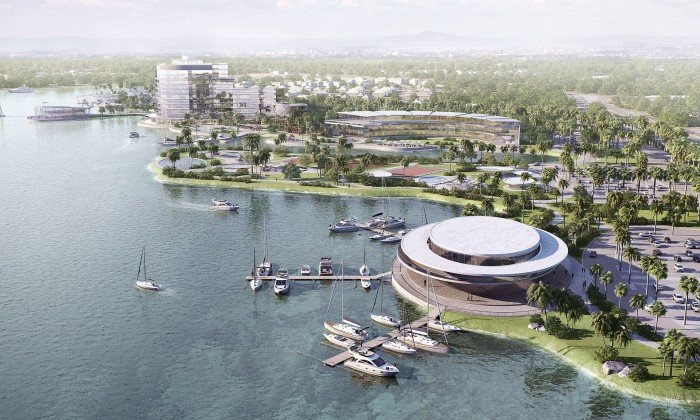
Abuja’s lifestyle-first luxury address. Airbnb properties generate ₦600,000–1,200,000 monthly. Best cash-flow district for luxury apartment investors in the FCT.
17. Magodo GRA Phase 2 (Lagos) — ₦250M–₦800M
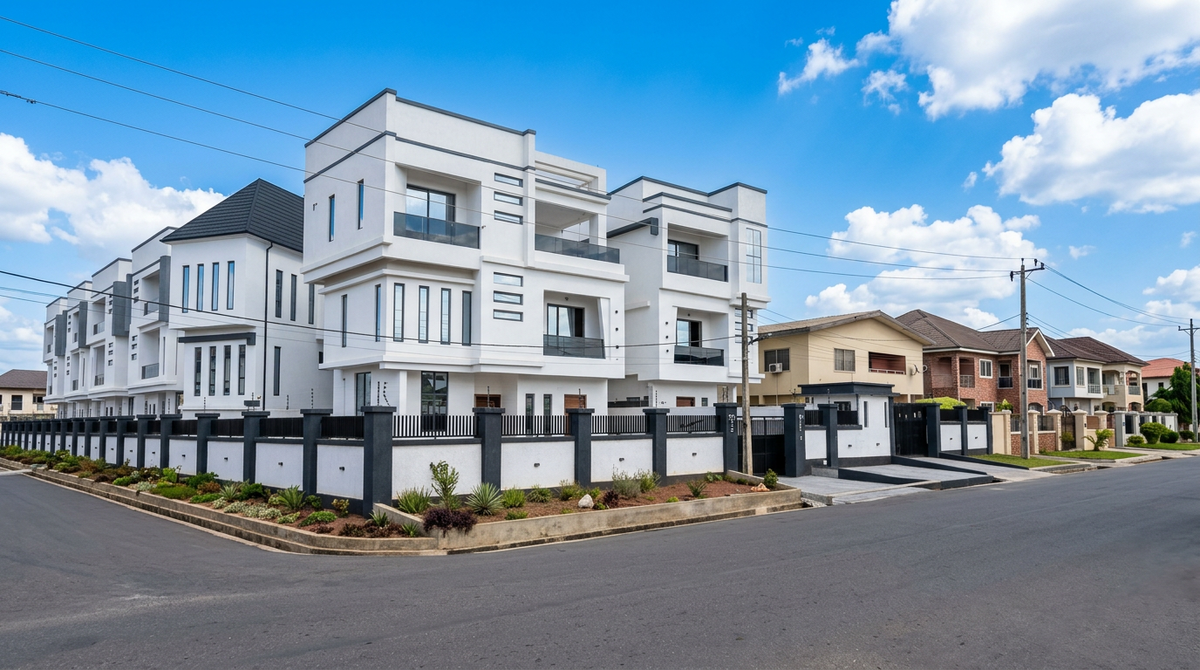
Lagos Mainland’s prestige address. Gross rental yields of 5–8%. Government officials and traditional business families who prefer Mainland’s slower pace.
| Lagos Mainland Watch @LagosMainland “Magodo Phase 2 is what Ikoyi was in 1995. The smart Mainland money has been accumulating there for a decade.” |
18. Peter Odili Road (Port Harcourt) — ₦150M–₦600M
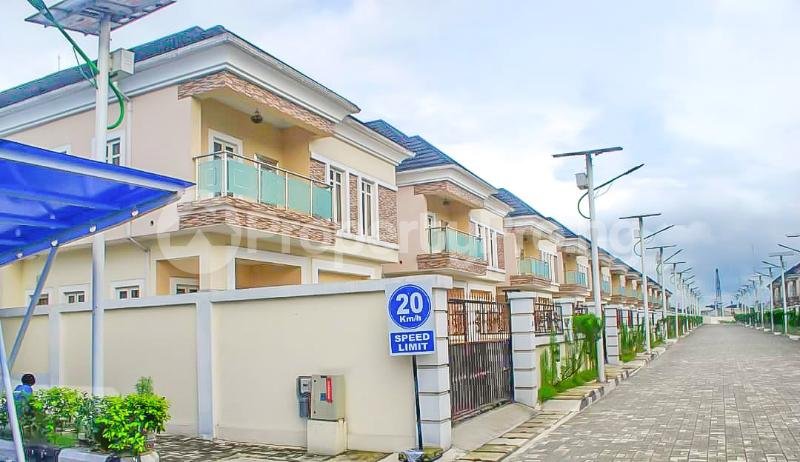
Port Harcourt’s fastest-appreciating corridor. Transformed from secondary road to luxury address in 8 years. Gated estates like Golf Estate redefine mainland PH luxury.
19. Independence Layout (Enugu) — ₦90M–₦500M
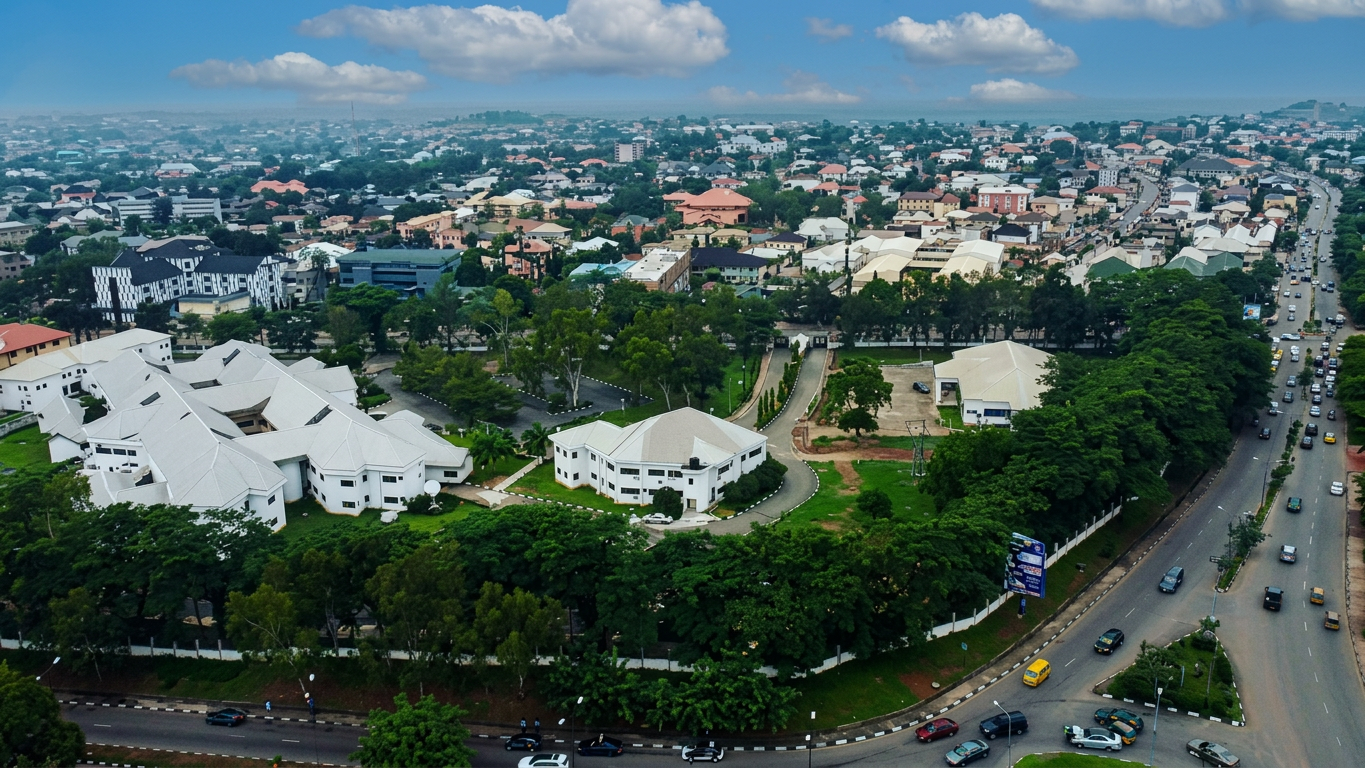
South-East Nigeria’s luxury anchor. According to AI Realent, Independence Layout and GRA Enugu feature properties ranging from ₦90 million to ₦500 million. Appreciation rates of 7–10% annually. Enugu’s peaceful environment and improving infrastructure make it increasingly attractive for diaspora returnees.
20. Bodija Estate (Ibadan) — ₦70M–₦400M
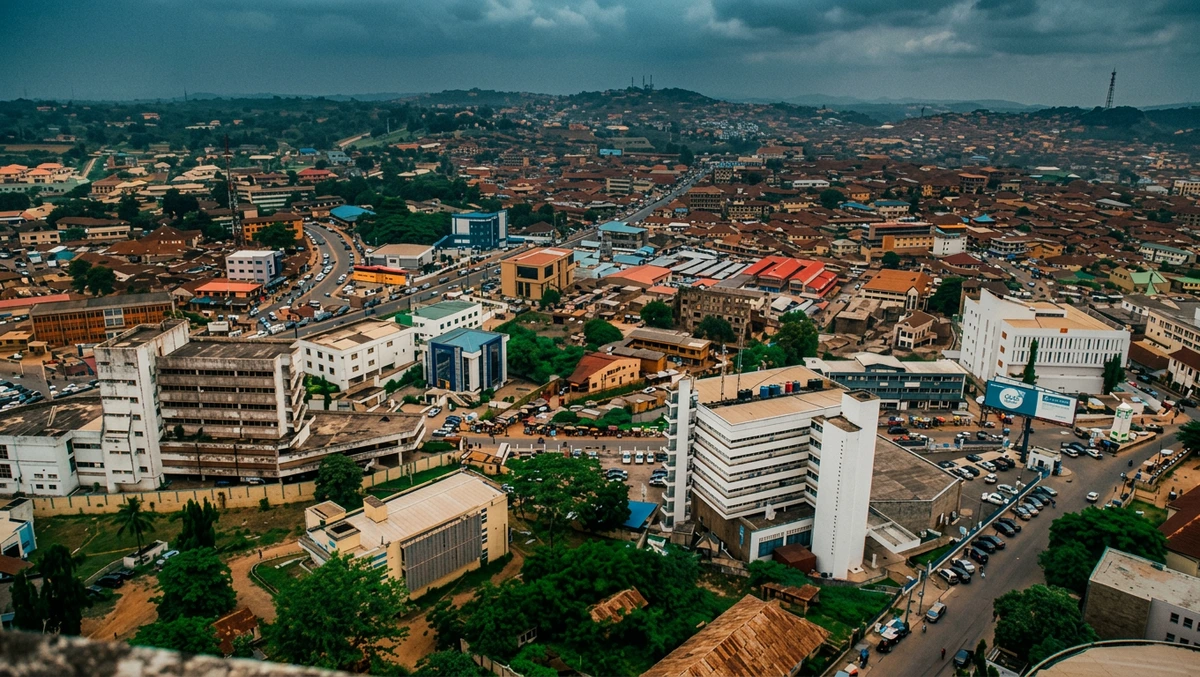
Oyo State’s premium benchmark. Bodija, Jericho, and Oluyole cluster features properties priced between ₦70 million and ₦400 million, per AI Realent. Appreciation of 5–8% annually. Represents affordable entry into Nigeria’s luxury market for investors priced out of Lagos/Abuja.
The National Price Gap: Banana Island vs Bodija
The gap between #1 Banana Island and #20 Bodija is approximately 70x on peak prices (₦7B vs ₦100M). That gap isn’t random — it reflects Nigeria’s economic geography, where Lagos and Abuja concentrate federal wealth, Port Harcourt absorbs oil wealth, and secondary cities like Enugu, Ibadan, and Kano offer entry-level luxury at value.
For a granular state-by-state comparison of Nigerian land pricing, see our complete plot of land price index covering all 36 states.
City Distribution: Where Nigerian Wealth Concentrates
Of the 20 neighborhoods above, 9 sit in Lagos, 6 in Abuja, 2 in Port Harcourt, and 3 spread across Enugu, Ibadan, and Kano. This distribution reflects the Nigerian wealth economy precisely.
Lagos dominates because it holds Nigeria’s financial, commercial, and tech wealth. Abuja follows because political and diplomatic wealth concentrates there. Port Harcourt anchors oil wealth. And the secondary cities capture returning diaspora wealth plus locally-generated business wealth.
For readers specifically interested in the Lagos market, our analysis of Lagos property searches starting in Ajah shows how even entry-level Lagos markets are shifting in 2026.
Common Mistakes When Buying in Nigeria’s Luxury Markets
Three mistakes recur across all 20 neighborhoods above, regardless of city.
- Skipping title verification. Even in Banana Island and Maitama, fraudulent chains of title circulate. Always verify Certificate of Occupancy and Governor’s Consent at the relevant State Lands Bureau or FCDA before payment.
- Underestimating service charges. Estates like Parkview, Osborne, and Asokoro charge ₦3–8 million annually in estate fees. Abuja serviced apartments add ₦1.5–3.5 million in service charges. These are recurring costs — factor them in.
- Paying asking price. Across Lagos, Abuja, and Port Harcourt, transaction prices typically close 8–15% below asking. Never pay list — always negotiate.
For first-time buyers, start with our beginner’s guide on how real estate actually works in Nigeria before committing capital to any luxury market.
Final Word: Nigeria’s Wealth Map in 2026
Nigeria’s 20 wealthiest real estate neighborhoods hold close to ₦10 trillion in combined property value. They define where Nigerian money chooses to concentrate — and where the next generation of high-net-worth buyers will compete fiercely for scarce, irreplaceable plots.
The top 4 (Banana Island, Maitama, Eko Atlantic, Asokoro) remain untouchable. The emerging tier (Guzape, Oniru, Katampe, New GRA Port Harcourt) is where the smartest capital is positioning before full price convergence. The secondary tier (Lekki Phase 1, Magodo, Jabi, Independence Layout, Bodija) rewards patient, value-oriented buyers.
Plot Insider tracks Nigeria’s wealth neighborhoods every quarter — prices, transaction volumes, infrastructure catalysts, new developments. Bookmark us for the data-driven view of where Nigerian real estate is actually moving.
Frequently Asked Questions
What is the wealthiest neighborhood in Nigeria in 2026?
Banana Island in Lagos is Nigeria’s wealthiest neighborhood, with property prices ranging from ₦1.5 billion to ₦7 billion and land at up to ₦9 million per square meter. Maitama District in Abuja follows, with mansions priced between ₦5 billion and ₦30 billion.
Which Nigerian city has the most wealthy neighborhoods?
Lagos leads Nigeria with 9 of the top 20 wealthiest neighborhoods, including Banana Island, Eko Atlantic City, Old Ikoyi, Victoria Island, Parkview, Osborne Foreshore, Lekki Phase 1, Oniru, and Magodo GRA Phase 2. Abuja follows with 6, and Port Harcourt contributes 2.
Is it better to invest in Lagos, Abuja, or Port Harcourt luxury real estate?
Lagos offers the broadest luxury market and highest appreciation ceiling but has lower rental yields in top-tier neighborhoods (below 5%). Abuja delivers higher rental yields in Maitama (7%) driven by diplomatic demand. Port Harcourt offers better value per square meter and strong yields in Trans Amadi (7–10%). Choice depends on whether you prioritize capital appreciation (Lagos), rental cash flow (Abuja/PH), or entry price (PH).
What’s the cheapest entry into Nigeria’s luxury property market?
Bodija Estate in Ibadan offers the most affordable entry into Nigeria’s top 20 wealthiest neighborhoods, with properties from ₦70 million to ₦400 million. Independence Layout in Enugu follows at ₦90 million to ₦500 million. Both offer 5–10% annual appreciation with significantly lower capital requirements than Lagos or Abuja.
Sources
1. 10 Most Expensive States to Own Property in Nigeria 2025 — AI Realent. https://airealent.ng/10-most-expensive-states-to-own-a-house-in-nigeria-in-2024/
2. Abuja Housing Market 2026 — PropertyPro Insider. https://propertypro.ng/blog/abuja-housing-market-2026-prices-growth-areas-and-investment-opportunities/
3. Celebrity Homes in Abuja 2026 — GoBook.ng. https://gobook.ng/blog/celebrity-home/celebrity-homes-abuja