

The saying “small but mighty” is actually true when it comes to the smallest countries in the world. They cover about 1,327 square kilometres combined; most of them are not even as big as the smallest state in Nigeria. Malta, the largest country on this list, is over 700 times the size of Vatican City. Despite their small size, each country has its own government.
The size of these countries does not affect their impact. Vatican City leads the Roman Catholic Church, and Monaco attracts some of the wealthiest people in the world. The Maldives has also built one of the world’s most recognised tourism industries from less than 300 square kilometres of dry land.
This article ranks the ten smallest countries in the world. You will learn where each country is and what you can find there.
Table of Contents
Key Takeaways
- Vatican City is the smallest country in the world. It covers only 0.44 square kilometres.
- Five of the ten countries are in Europe. Three are in Oceania, while Asia and the Caribbean have one each.
- Nauru is the smallest island country. It is also the smallest republic in the world.
- Saint Kitts and Nevis is the smallest sovereign country in the Americas.
- The Maldives is the smallest country in Asia. Its land is divided among almost 1,200 islands.
- Malta is the tenth-smallest country. It covers about 315 square kilometres.
How Are the Smallest Countries in the World Ranked?
This ranking uses the latest surface-area figures available from the United Nations Demographic Yearbook. Surface area includes land and inland water within a country’s borders. For most countries on the list, there is little difference between surface area and land area.
Only sovereign countries are included. Cook Islands and Niue govern themselves in free association with New Zealand, but they are not UN member states. Gibraltar, Bermuda, and other overseas territories are also excluded.
10 Smallest Countries in the World by Land Area
These are the ten smallest countries in the world, beginning with Vatican City.
1. Vatican City — 0.44 km²
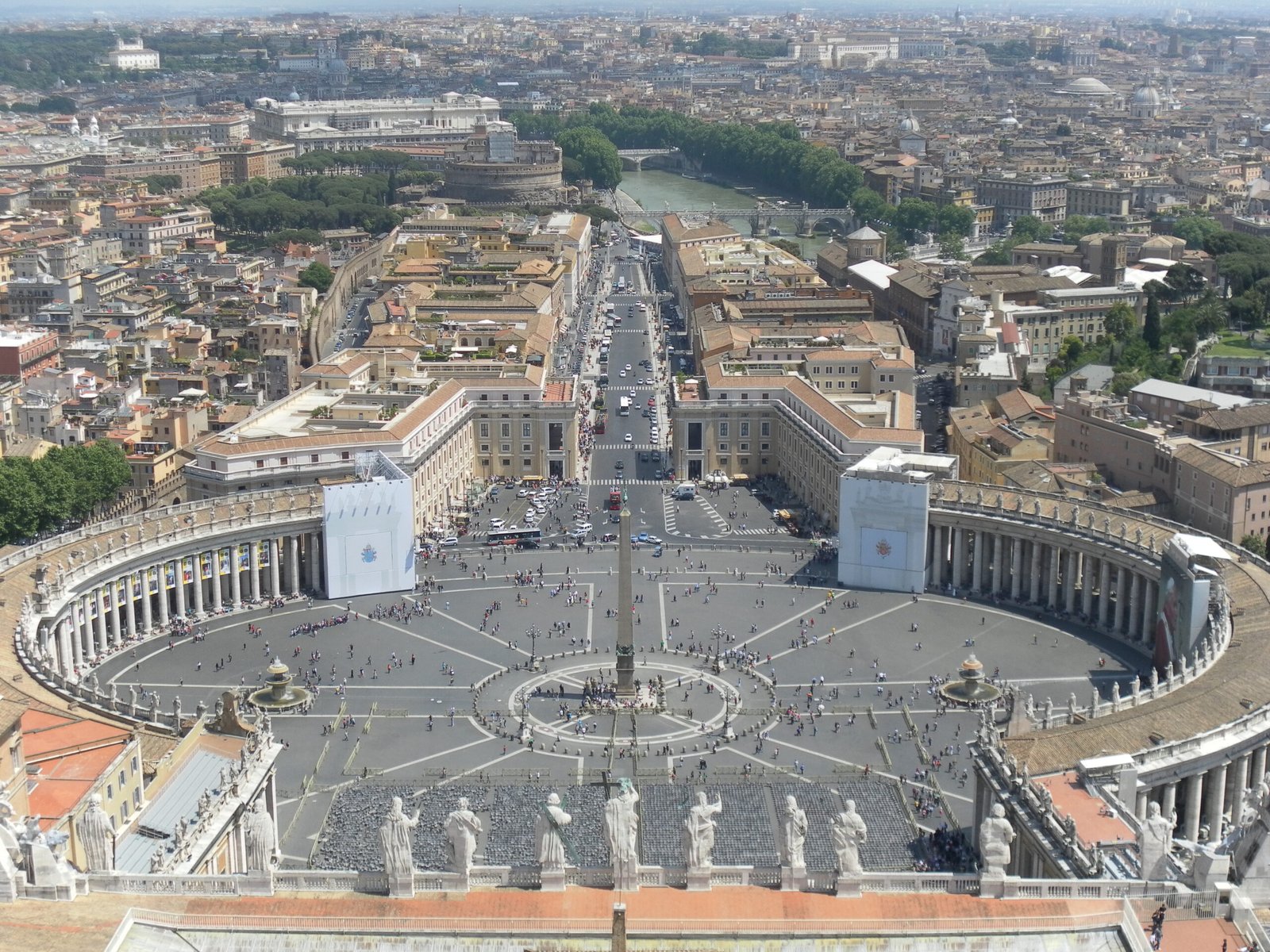
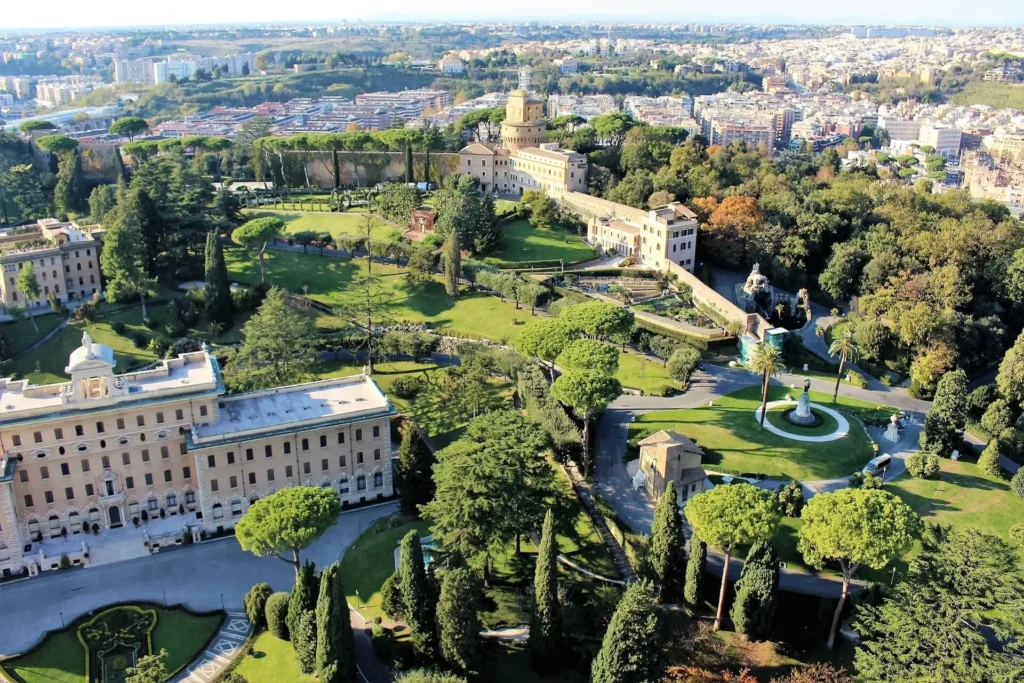
Vatican City is the smallest country in the world by area. It covers only 44 hectares within the city of Rome. Its boundaries include St. Peter’s Square and the Vatican Gardens.
The size of the country is not the most interesting thing about it. Vatican City is the headquarters of the Roman Catholic Church and the home of the Pope. It also contains St. Peter’s Basilica, the Sistine Chapel, and a large collection of art held by the Vatican Museums.
Vatican City became an independent state in 1929 after the Lateran Treaty settled a long dispute between the papacy and Italy. The country currently has 673 citizens, although only 458 live inside its walls.
2. Monaco — 2 km²
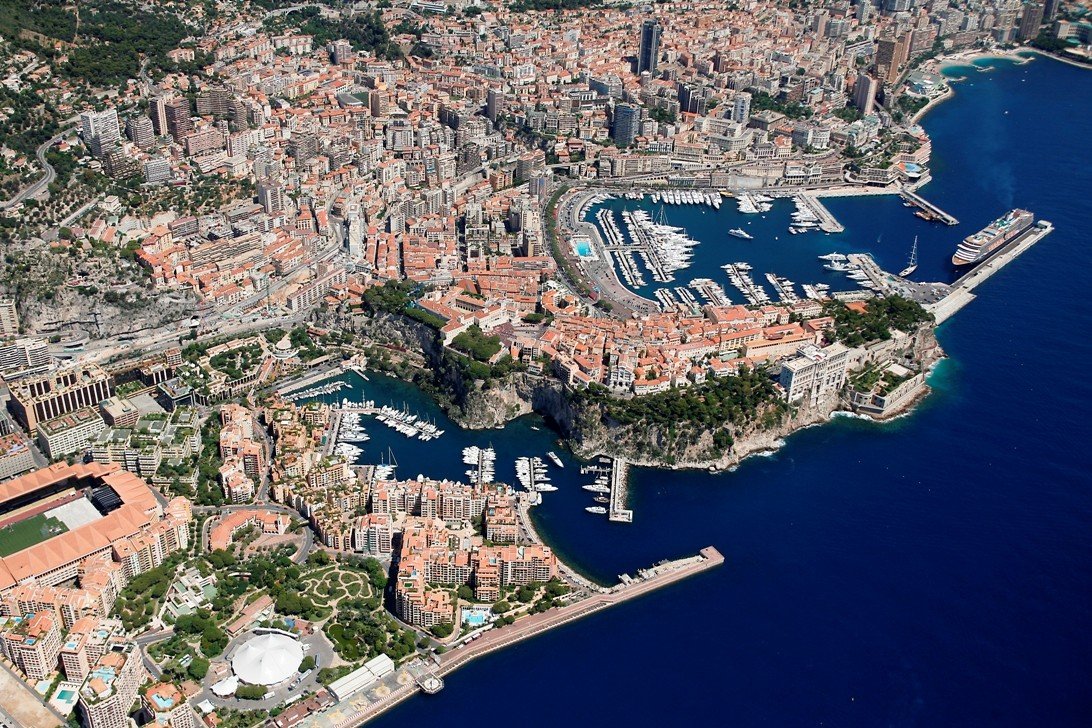
Monaco covers approximately 2.08 square kilometres on the Mediterranean coast. France surrounds it on three sides, while the Mediterranean Sea forms its remaining boundary.
The country has around 39,000 residents. This gives Monaco one of the highest population densities in the world. Apartment buildings are high because there is little room for the country to spread.
Monaco has also created additional space through land reclamation. These projects extend the coastline by building new land into the sea. The country is widely known for Monte Carlo, the Monaco Grand Prix, and its concentration of wealthy residents.
Read more: best beaches in Africa.
3. Nauru — 21 km²
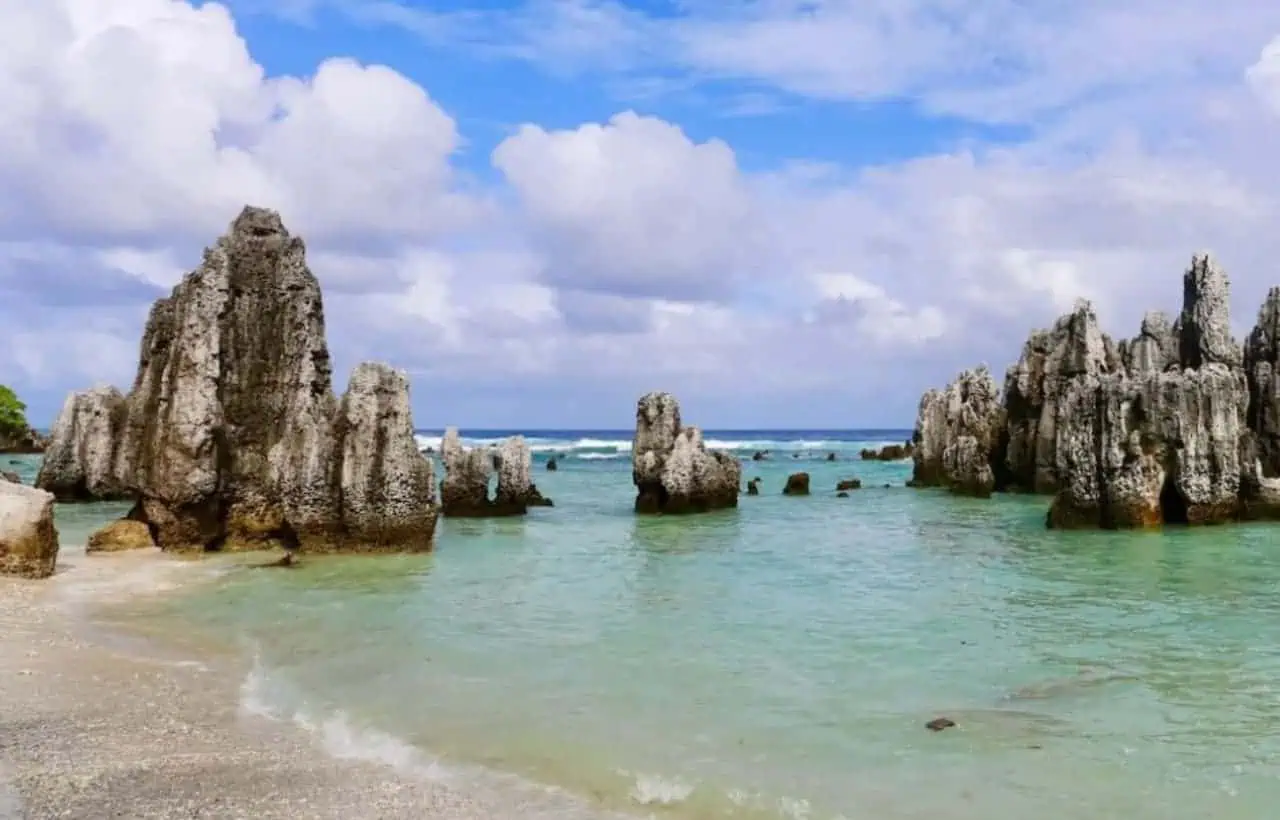
Nauru is a single island in the central Pacific Ocean. At 21 square kilometres, it is the world’s smallest island country and its smallest republic.
The country has no officially designated capital. Government offices are in Yaren District, so Yaren is often called the capital even though it does not legally hold that title.
Phosphate mining once brought Nauru considerable wealth. However, years of mining removed much of the vegetation from the island’s interior. Most residents now live along the narrow coastal strip that circles the island.
Nauru is one of the smallest countries by land area, but it controls a much larger area of the surrounding ocean.
4. Tuvalu — 26 km²
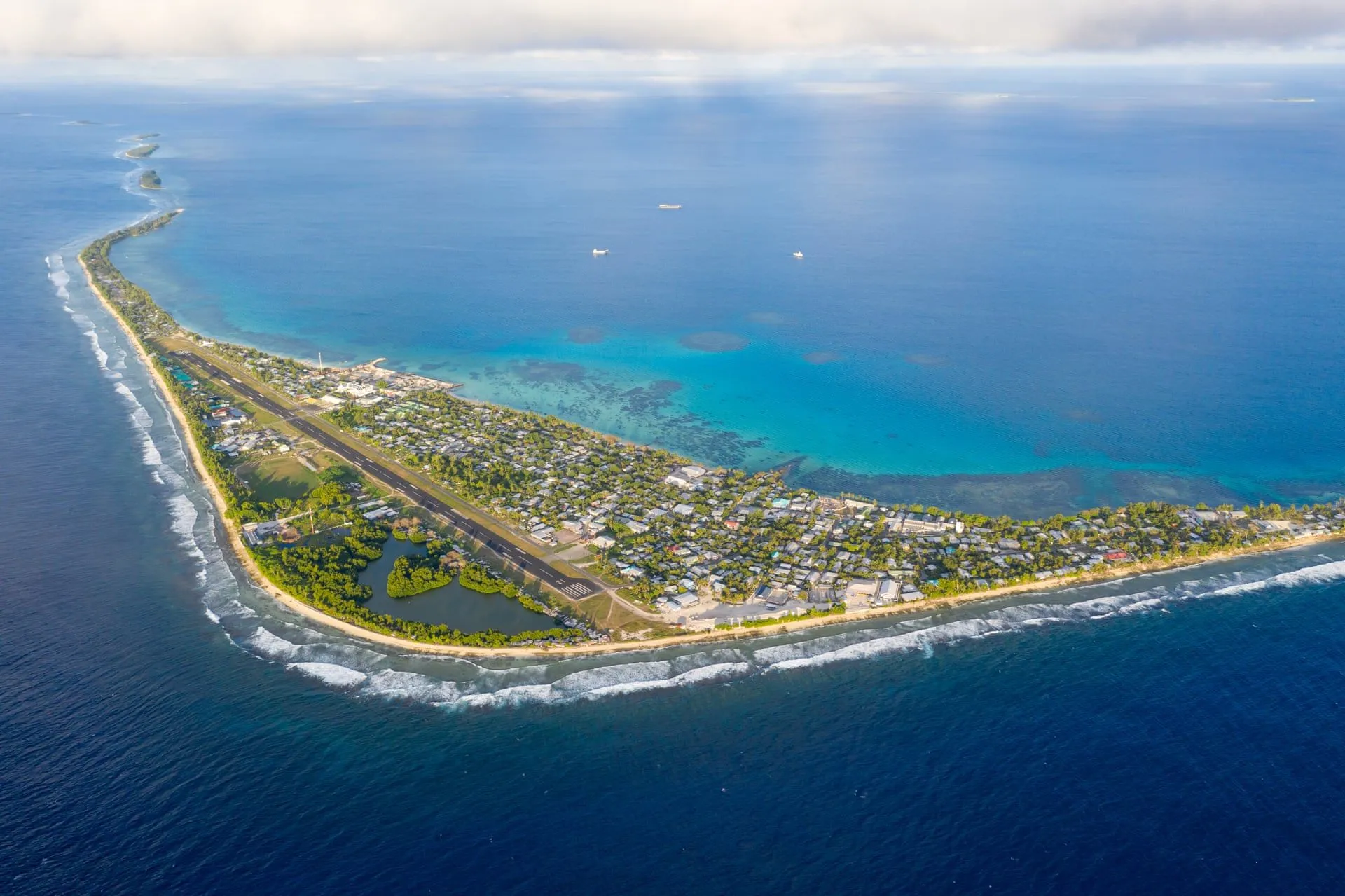
Tuvalu consists of nine islands and atolls in the Pacific Ocean. These islands have a combined land area of only 26 square kilometres.
More than half of the country’s population lives in Funafuti, the capital atoll. Tuvalu’s official statistics recorded a resident population of 10,643 during its 2022–2023 census.
The country is surrounded by more than one million square kilometres of ocean. This creates an unusual contrast between its small amount of dry land and its extensive maritime territory.
Tuvalu is also known online because it controls the .tv internet domain.
5. San Marino — 61 km²
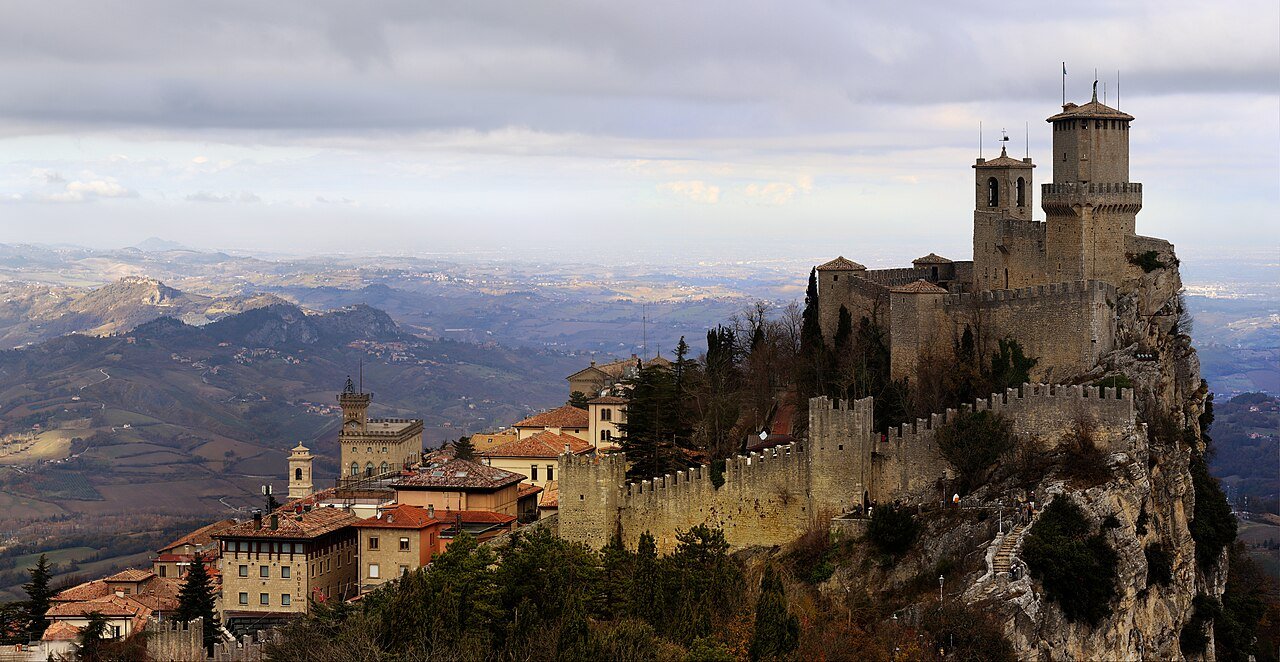
San Marino is a small republic completely surrounded by Italy. Its 61-square-kilometre territory is around Mount Titano, where the capital and its three well-known towers are found.
The country claims to be the world’s oldest surviving republic. Its traditional history begins in AD 301, when Marinus established a Christian community on Mount Titano.
San Marino also has two heads of state at the same time. The Captains Regent are chosen every six months and take office on 1 April and 1 October. This arrangement prevents one person from holding the highest position for an extended period.
Although San Marino is among the smallest countries in the world, it has maintained its independence for centuries despite being surrounded by a much larger country.
6. Liechtenstein — 160 km²
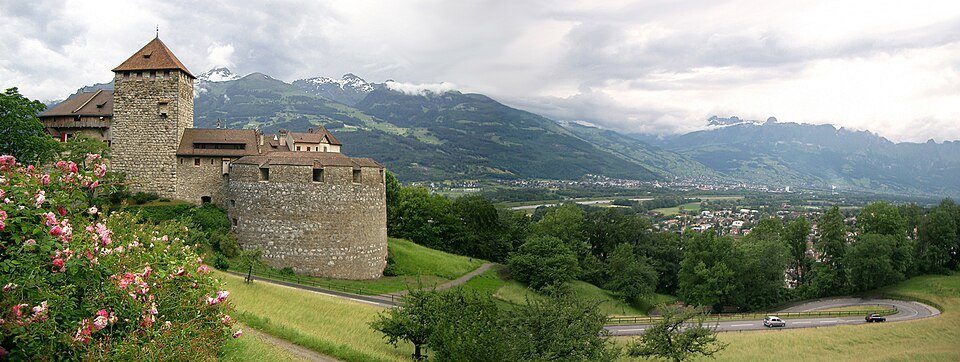
Liechtenstein covers 160 square kilometres between Switzerland and Austria. Vaduz is the capital, while Schaan is the country’s largest municipality.
It is one of only two doubly landlocked countries in the world. This means Liechtenstein is surrounded by landlocked countries. Reaching the sea requires crossing at least two national borders.
Liechtenstein uses the Swiss franc and shares a customs arrangement with Switzerland. However, it remains an independent principality with its own parliament and royal family.
The country has around 40,000 residents. It also has approximately 40,000 individual land parcels, according to its national land register.
7. Marshall Islands — 181 km²
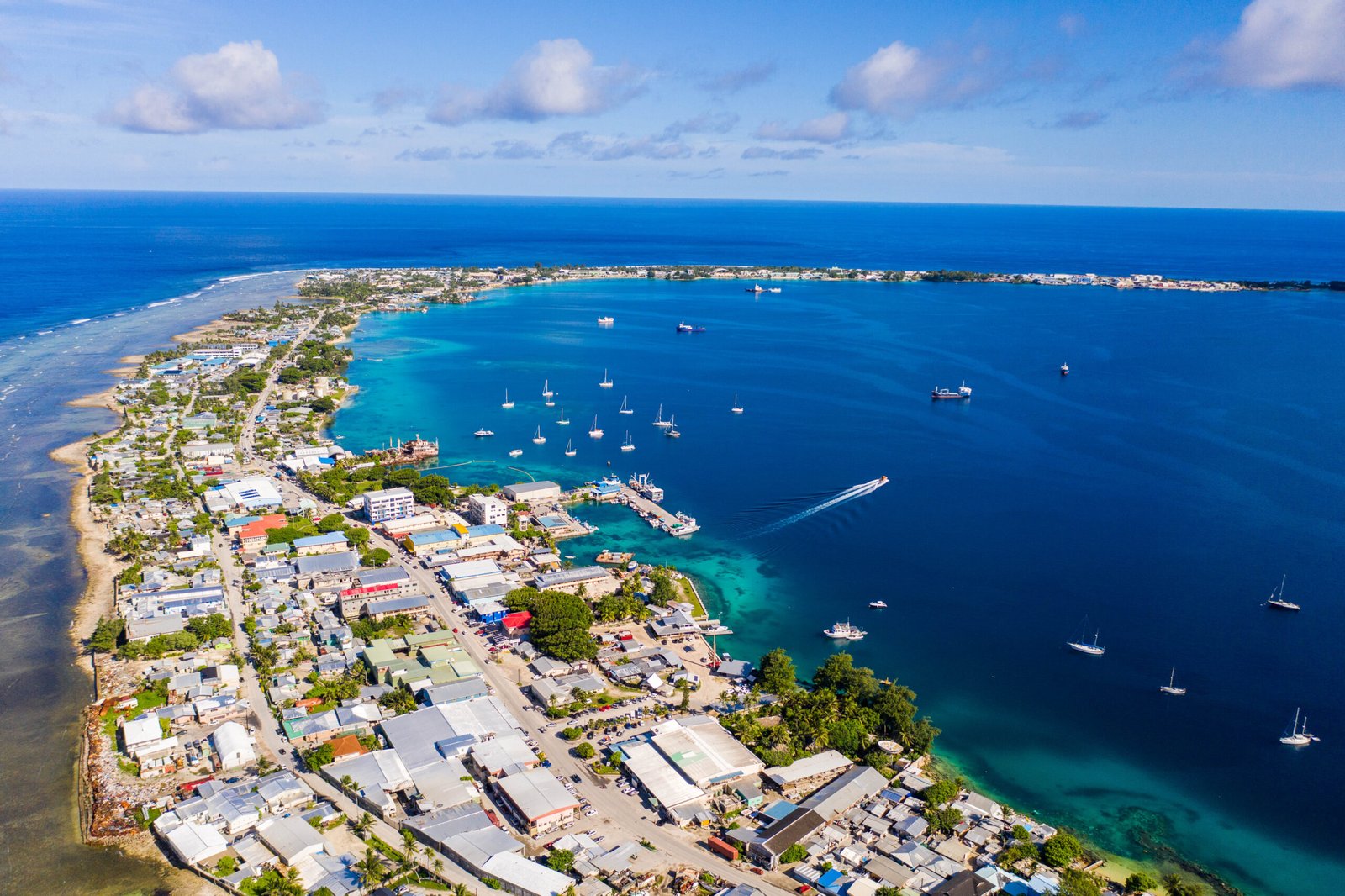
The Marshall Islands have 181 square kilometres of land spread across 29 coral atolls and five islands. Majuro is the capital and the country’s main population centre.
The islands are divided into two chains called Ratak and Ralik. They cover a huge part of the central Pacific, even though their combined land area is smaller than many cities.
The country became a UN member in 1991. It has a Compact of Free Association with the United States, which affects defence, migration, and financial assistance.
Bikini and Enewetak atolls were used for American nuclear tests during the twentieth century. The effects of that period remain part of the country’s history. They also continue to affect some displaced communities.
8. Saint Kitts and Nevis — 261 km²
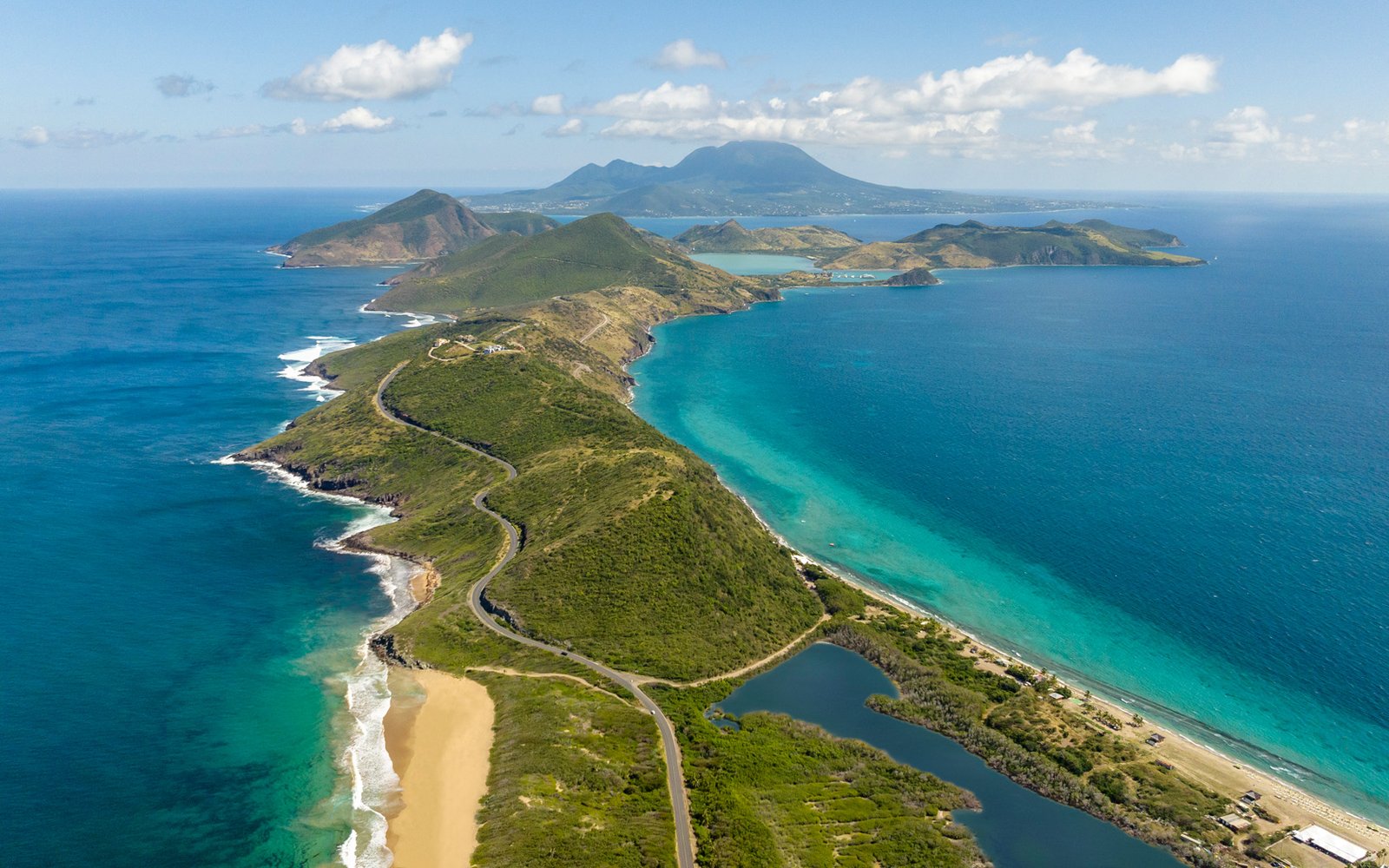
Saint Kitts and Nevis is the smallest sovereign country in the Americas. It consists of two Caribbean islands with a combined area of approximately 261 square kilometres.
Saint Kitts is the larger island and contains Basseterre, the national capital. Nevis has its own island administration, although it remains part of the federation.
The country became independent from Britain on 19 September 1983. It is a constitutional monarchy, with a prime minister leading the government.
Despite its size, the country has two prominent volcanic peaks. Mount Liamuiga rises on Saint Kitts, while Nevis Peak dominates the smaller island.
9. Maldives — 300 km²
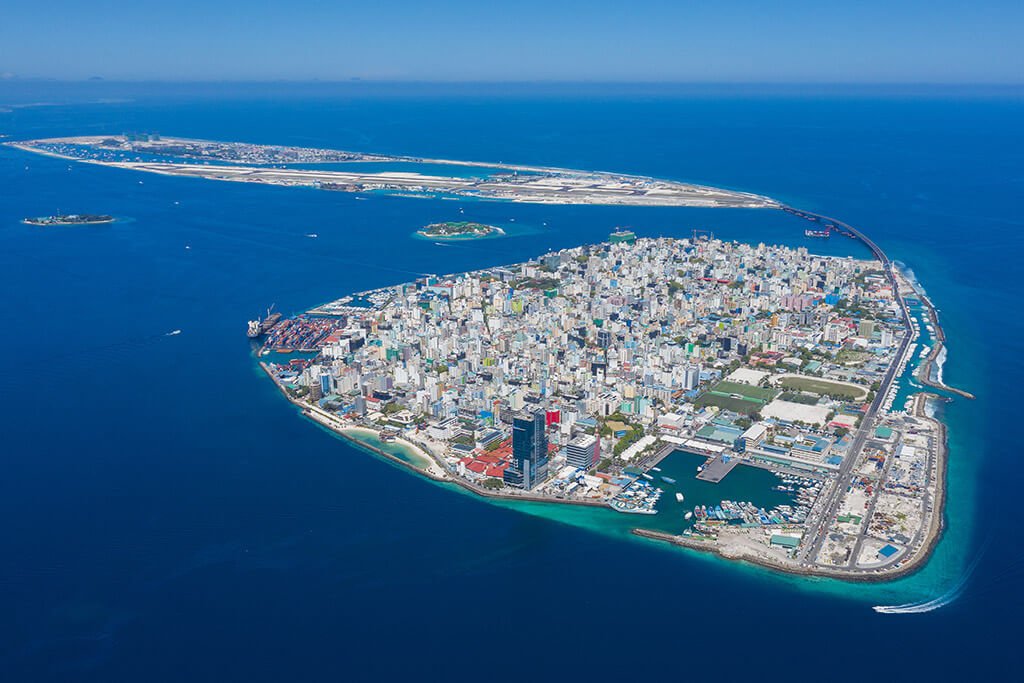
The Maldives is the smallest country in Asia by land area. Its almost 1,200 coral islands contain only about 300 square kilometres of dry land.
Those islands are spread across 26 natural atolls in the Indian Ocean. Around 200 islands are inhabited, while others are used for resorts or agriculture. Malé is the capital and the country’s main urban centre.
Less than one per cent of the Maldives’ total territory is land. The rest is ocean. Many islands are also only a short distance above sea level.
The Maldives is the most populous country among the ten smallest countries in the world. Its limited land supports more than half a million people, alongside a tourism industry that received visitors from around the world.
Read more: easiest countries for Nigerians to visit.
10. Malta — 315 km²

Malta is a Mediterranean country south of Sicily. It covers approximately 315 square kilometres and consists of several islands.
Malta, Gozo, and Comino are its best-known islands. Malta carries most of the population, while Gozo has its own towns and villages. Comino has only a small permanent population.
The country had an estimated population of 588,254 at the end of 2025. That figure gives Malta one of the highest population densities in Europe.
Malta has been independent since 1964 and became a republic in 1974. Valletta is its capital, although the country’s largest urban area extends well beyond the city’s official boundaries.
Compare the Ten Smallest Countries in the World
The table shows the size and location of each country. Population figures are the latest consistent UN estimates available for the ranking, except where a national figure provides newer information.
| Rank | Country | Area | Capital | Region | Approximate population |
|---|---|---|---|---|---|
| 1 | Vatican City | 0.44 km² | Vatican City | Europe | 496 |
| 2 | Monaco | 2 km² | Monaco | Europe | 38,087 |
| 3 | Nauru | 21 km² | No official capital | Oceania | 12,102 |
| 4 | Tuvalu | 26 km² | Funafuti | Oceania | 10,643 |
| 5 | San Marino | 61 km² | San Marino | Europe | 33,605 |
| 6 | Liechtenstein | 160 km² | Vaduz | Europe | 40,368 |
| 7 | Marshall Islands | 181 km² | Majuro | Oceania | 35,075 |
| 8 | Saint Kitts and Nevis | 261 km² | Basseterre | Caribbean | 46,992 |
| 9 | Maldives | 300 km² | Malé | Asia | 531,517 |
| 10 | Malta | 315 km² | Valletta | Europe | 588,254 |
Where Are the Smallest Countries Located?
Europe has five countries in the top ten: Vatican City, Monaco, San Marino, Liechtenstein, and Malta. The first four are microstates surrounded by or closely connected to larger neighbours. Malta is an island country in the Mediterranean.
Oceania has Nauru, Tuvalu and the Marshall Islands. Their land areas are small, but their islands spread across large parts of the Pacific Ocean.
Saint Kitts and Nevis represents the Caribbean and the Americas. The Maldives represents Asia. Seychelles is the smallest country in Africa, but its 457 square kilometres place it outside the global top ten.
You can find Seychelles and other destinations in our guide to the 101 best places to visit in Africa.
Conclusion
The ten smallest countries in the world prove that a country does not need a large landmass to remain independent. Vatican City covers less than half a square kilometre, while Malta closes the ranking at 315 square kilometres.
Their small sizes have produced different realities. Monaco builds into the sea because land is limited. Tuvalu and the Marshall Islands have far more ocean than dry ground.
Vatican City remains the smallest country in the world. Monaco follows in second place, while Nauru is the smallest country outside Europe.
Frequently Asked Questions About the Smallest Countries in the World
What Is the Smallest Country in the World?
Vatican City is the smallest country in the world. It covers 0.44 square kilometres within Rome, Italy. It became an independent state in 1929.
What Are the Five Smallest Countries in the World?
The five smallest countries in the world are Vatican City, Monaco, Nauru, Tuvalu and San Marino. Their combined area is only about 110 square kilometres.
What Is the Smallest Island Country in the World?
Nauru is the smallest island country. It covers 21 square kilometres in the central Pacific Ocean. Vatican City and Monaco are smaller, but neither is an island.
What Is the Smallest Country in Africa?
Seychelles is the smallest country in Africa. It has a land area of about 457 square kilometres. This places it outside the ten smallest countries in the world.
Is Monaco Smaller Than Vatican City?
No. Monaco covers approximately two square kilometres, while Vatican City covers 0.44 square kilometres. Vatican City is less than one-quarter of Monaco’s size.
Why Is Singapore Not in the Top Ten?
Singapore is small, but it covers more than 700 square kilometres. It is therefore larger than Malta and the other countries in the top ten.
Are Cook Islands and Niue Independent Countries?
Cook Islands and Niue govern themselves in free association with New Zealand. They maintain many features of independent states, but they are not UN member states. This ranking excludes them to keep the definition of a sovereign country consistent.
Sources
- United Nations Statistics Division: Demographic Yearbook
- Vatican City State: Geography
- Government of Nauru
- Embassy of the Marshall Islands: Country Profile
- Government of Saint Kitts and Nevis: About the Federation
- Malta National Statistics Office