



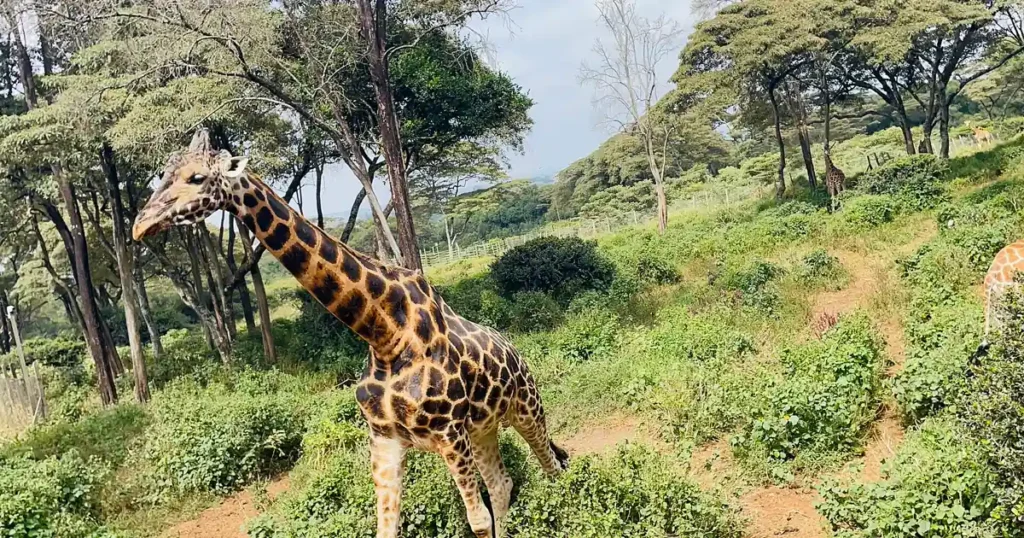
As a first-time visitor, your first surprise at Giraffe Centre Nairobi is how close you can get to the ten Rothschild’s giraffes living there. From a raised platform, you can lean over the rail, hand out food to the giraffes, and watch them curl their long tongues around a food pellet as they eat. Some approach without hesitation, while others keep their distance.
Historically, giraffes living at the centre began with a rescue. In 1979, only 130 Rothschild’s giraffes remained on a Western Kenya ranch that was about to be divided for settlement. Jock and Betty Leslie-Melville brought two young giraffes, Daisy and Marlon, to their home in Lang’ata, and that work grew into the centre people visit today.
This guide explains what a visit is really like, the current entrance fee, and when to go if you want fewer people around the platform. It also covers feeding rules, transport, and the nature trails found here.
Table of Contents
Key Takeaways
- The current Giraffe Centre Nairobi entrance fee is KES 1,500 for a non-resident adult and KES 750 for a non-resident child aged three to 12.
- The Giraffe Centre Nairobi opening hours are 9 a.m. to 5 p.m. every day, including weekends and public holidays.
- The centre recommends allowing 1.5 to two hours for feeding, an educational talk, the nature conservancy, and a break at the Tea House.
- Weekdays between 11 a.m. and 1 p.m. are the busiest. Weekends and public holidays can remain busy throughout the day.
- Payments are cashless. Bring a card or use M-Pesa, and carry identification if you qualify for the resident rate.
- Feed the giraffes one pellet at a time. Follow the educators’ instructions because an impatient giraffe can knock you with its head.
- Individual visitors can buy admission on arrival. Only school groups need to arrange their visit in advance.
What Is Giraffe Centre Nairobi?
The Giraffe Centre Nairobi is a conservation and education centre in Lang’ata. It is run by the African Fund for Endangered Wildlife Kenya, a non-profit organisation that began in 1979. Its best-known work is the breeding and protection of Rothschild’s giraffes, now also classified as part of the Nubian giraffe population.
The centre breeds giraffes and later moves suitable ones to protected areas around Kenya. It also teaches Kenyan schoolchildren about wildlife and environmental conservation. More than 50,000 children take part in its free school visits each year.
One thing to note about the Giraffe Centre Nairobi is that it is not Giraffe Manor or a conventional zoo, as there have been many questions in this regard. The feeding area, conservation information, and the nature conservancy are the only areas accessible during public visits.
Read Also: 101 Best Places to Visit in Africa (By Country)
Why Is Giraffe Centre Nairobi Worth Visiting?
The main reason to visit is the chance to meet a giraffe at eye level. You can watch how it moves, eats, the markings on its face, and see how differently each animal behaves. An educator stays nearby to explain what you are seeing and show you how to offer them food safely.
The centre is compact, so do not expect the visit to feel like a safari. The feeding area can become crowded, and the feeding of giraffes, which brings many people here, can last up to 30 to 45 minutes. After that, you’ll need to watch the display, listen to the talk, and walk around the nature trail for a more complete experience.
The attraction also tells a conservation story. Calves from the breeding program are released at two to three years old, and more than 40 giraffes have been moved to protected areas in Kenya. In addition, the centre gives you a wildlife experience you can watch for just a few hours and combine with other activities. This is very important for first-time Nairobi visitors and travellers with limited time.
Giraffe Centre Nairobi Entrance Fee and Opening Hours
The table below shows the Giraffe Centre Nairobi prices at the time of writing, categorised according to age and demography.
| Visitor category | Entry price/fee |
|---|---|
| Non-resident adult (non-citizen) | KES 1,500 |
| Non-resident child, aged 3-12 (non-citizen) | KES 750 |
| Resident adult (citizen) | KES 400 |
| Resident child, aged 3-12 (citizen) | KES 200 |
| Child below 3 | Free |
The resident price applies to citizens and work-permit holders from East African Community countries. Bring a passport, national identity card, or alien card as proof. Note that students below 23 with valid identification from a recognised institution qualify for the child rate.
The Giraffe Centre Nairobi entrance fee includes the visitor experience and the food pellets. The centre accepts credit cards, debit cards, and M-Pesa, but not cash, so go with cash.
The official Giraffe Centre Nairobi opening hours are 9 a.m. to 5 p.m. every day. This includes Sundays and public holidays. School groups need to book at least one week ahead and visit during the morning session.
You also enjoy this attraction centre: Kilifi Beach Kenya- 12 Best Things to Do in 2 Days
What Happens During a Visit to Giraffe Centre Nairobi?
These are the activities you can do at the Giraffe Centre Nairobi. The centre is smaller than some photographs make it appear. We thought you should know that.
1. Buy Your Ticket and Collect the Food Pellets
Individual visitors can buy Giraffe Centre Nairobi tickets at the entrance. You will only require an advance booking for school groups. If you plan on using a tour company, they may charge more because they include a driver or other attractions.
An educator gives you the approved pellets after you enter. Keep them for the feeding area and follow the instructions.
Do not bring food for the giraffes; it is not allowed. The centre controls what they eat, and visitors only use the food provided.
2. Meet the Giraffes at the Feeding Platform
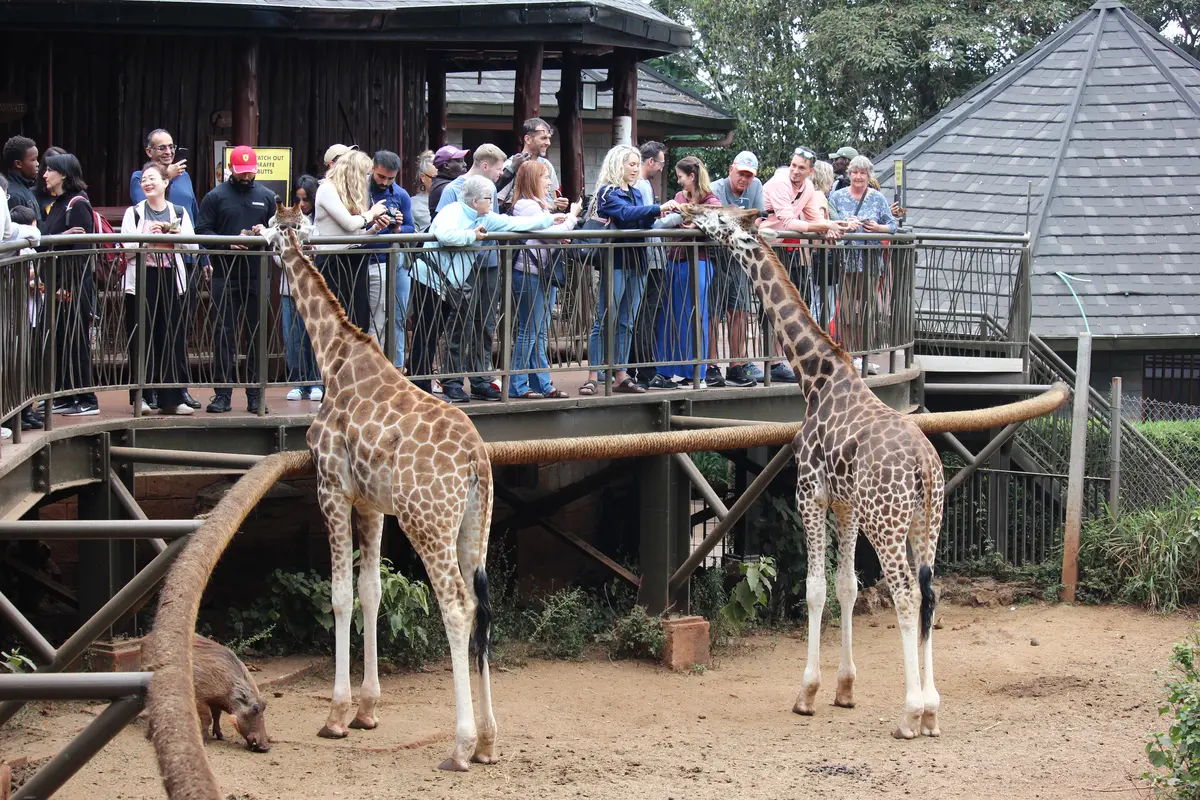
The raised platform makes you see the giraffes at a close range; as such, you don’t have to reach upwards from the ground. Some approach quickly when they see food, while others may stay farther away. They are living animals, so the length and closeness of the interaction can change from one visit to another.
Hold one pellet between your thumb and index finger, then offer it towards the giraffe’s tongue. Do not place several pellets on an open palm or tease an animal by pulling food away. Avoid standing close without food because a giraffe looking for pellets may push or swing its head.
3. Speak to an Educator and Read the Displays
The educators explain how Rothschild’s giraffes differ from other giraffes in Kenya. They can also tell you how breeding and relocation have helped establish populations in protected areas.
The displays show visitors how giraffes eat, move, and survive. They also help children understand the size of the animals beyond what they see at the platform.
4. Walk Through the Nature Conservancy
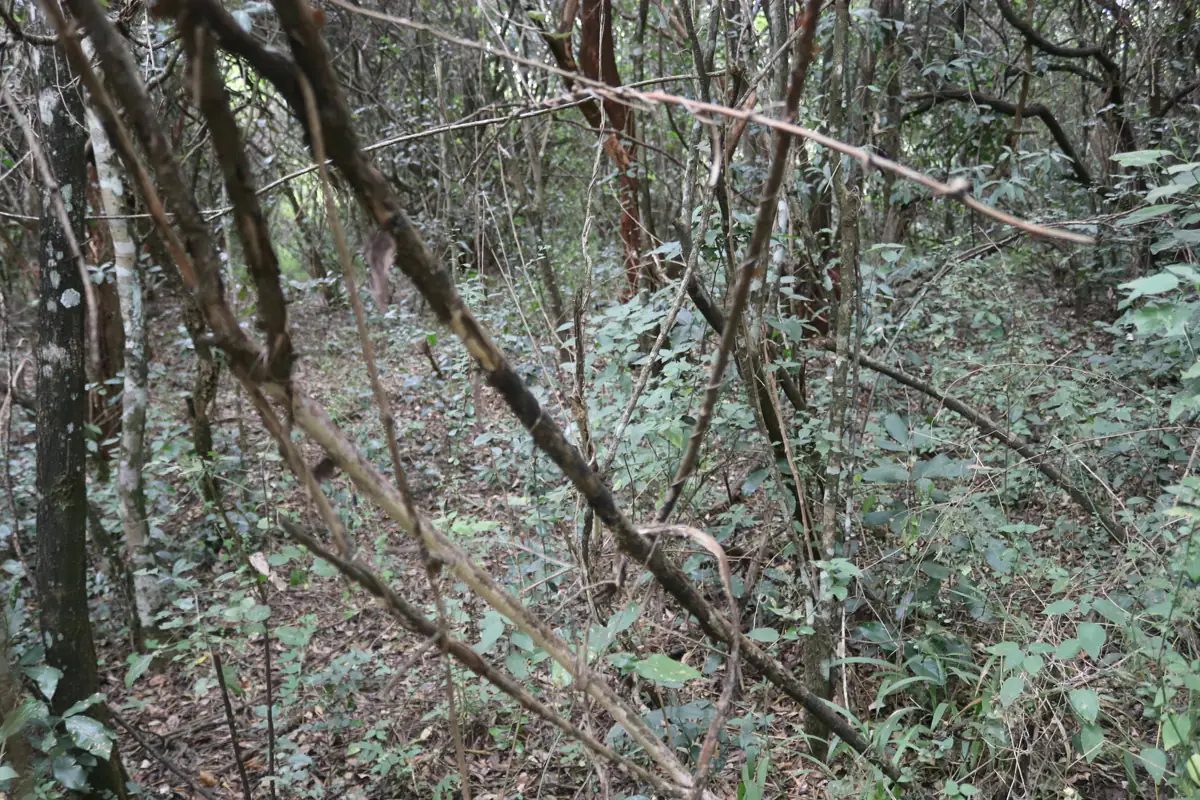
The Giraffe Centre nature trail is a quieter thing to do in the centre after the feeding platform. The route is around 1.5 kilometres, and you may notice birds, warthogs, or smaller animals. Sightings are possible, not promised.
Wear shoes that can handle an uneven or damp path. Ask a member of staff where the trail begins and whether recent rain has made any part slippery. You can finish with a drink or snack at the Tea House before leaving.
Is Giraffe Centre Nairobi Ethical?
The Giraffe Centre is a conservation breeding and education centre, not an attraction created only for animal photographs. Its official conservation information says calves are released into protected areas when they are two to three years old. More than 40 giraffes have been moved to parks and conservancies through the programme.
Visitor contact is controlled; it is not completely unrestricted. The giraffes approach the raised platform for approved pellets, and educators explain how to feed them safely. A giraffe may stay away from the platform, so a close interaction is possible but never guaranteed.
Whether you feel comfortable visiting still depends on your view of managed wildlife encounters. If you prefer to see giraffes without a feeding platform, choose a game drive in Nairobi National Park or another protected area instead. The important difference is that the centre connects its visitor experience to breeding, release, and conservation education, animals are not emrely for display.
What Is the Best Time to Visit Giraffe Centre Nairobi?
Go soon after the centre opens if you want the best chance of a calmer visit. The official FAQ identifies 11 a.m. to 1 p.m. on weekdays as the busiest period. Weekends and public holidays can be busy from morning until closing time.
The Giraffe Centre Nairobi opening hours give you plenty of choice, but traffic should influence your plan. Leaving central Nairobi during the morning rush can take longer than the map suggests. If you are staying in Karen or Lang’ata, reaching the centre for 9 a.m. is easier.
Part of the feeding platform is covered, so rain does not always ruin the visit. It can make the trail muddy, so take suitable shoes and a light rain jacket during wetter months. Bring water and sun protection on hot days, but remember that the giraffes may behave differently depending on what time you arrive.
How Long Should You Spend at the Giraffe Centre?
You can allot 1.5 to two hours if you want to experience the place completely. That gives you time to feed the giraffes, speak to an educator, look through the displays, and walk in the nature conservancy. The centre itself recommends this amount of time.
You can finish the feeding area in 30 to 45 minutes when it is quiet, and then you can do other things. Families may need longer because children often want another turn at the platform.
If the centre is part of a larger holiday, place it near the start of your 14-day Kenya itinerary. It is a controlled conservation visit.
How Do You Get to Giraffe Centre Nairobi?
The Giraffe Centre Nairobi location is on Nyumbi Road, off Duma Road, in Lang’ata. It is about 15 kilometres from Nairobi’s city centre. Travel time can increase because of traffic.
Uber, Bolt, and an arranged driver are the simplest options for most first-time visitors. Ask the driver to use the official map pin. If you want to visit several Karen and Lang’ata attractions, we advise to use and keep driver for the day instead of making different stops.
Public transport costs less, but it usually involves a matatu followed by a walk or short ride. For simple Giraffe Centre Nairobi directions, use the official pin and allow extra time during rush hour.
Giraffe Centre vs Giraffe Manor: What Is the Difference?
The same sanctuary herd may visit the Giraffe Centre and nearby Giraffe Manor, but the two experiences are not the same. The centre is a public conservation attraction that anyone can visit during opening hours. Giraffe Manor is a luxury hotel where resident guests may see giraffes at breakfast or afternoon tea.
| Feature | Giraffe Centre | Giraffe Manor |
|---|---|---|
| Type of visit | Public conservation attraction | Luxury hotel stay |
| Main experience | Feed giraffes from a raised platform | Giraffes may visit the hotel at set times |
| Booking | Buy a ticket on arrival | Accommodation reservation required |
| Time needed | About 1.5-2 hours | Overnight stay |
| Cost | From KES 200 by visitor category | Premium hotel rate |
Paying the Giraffe Centre Nairobi entrance fee does not give you access to Giraffe Manor. Choose the centre for an affordable conservation visit and the manor only when you want the hotel stay itself.
What Else Can You Visit Near the Giraffe Centre?
Karen and Lang’ata have several attractions close enough to share one day. Choose according to fixed opening times, not simply according to which place looks nearest on a map. Nairobi traffic can turn a careless route into hours in the car.
The Sheldrick Wildlife Trust Nursery works well before the Giraffe Centre because its public visit runs only from 11 a.m. to noon and requires advance booking. Have lunch afterwards, then visit the giraffes in the afternoon. Do not arrive at Sheldrick without a confirmed place.
The Karen Blixen Museum adds some history to the day. Kazuri Beads is another nearby option if you want to see ceramic beads and pottery being made.
Our guide to 21 fun places to visit in Nairobi can help you plan a longer stay.
Three Mistakes to Avoid at Giraffe Centre Nairobi
1. Arriving at the Busiest Time and Expecting an Empty Platform
The centre is popular with travellers, families and school groups. Weekday crowds often peak between 11 a.m. and 1 p.m., while weekends can stay busy all day. Arrive near 9 a.m. on a weekday if having more space matters to you.
2. Feeding the Giraffes With an Open Hand
Do not pour several pellets onto your palm. Give one pellet at a time between your thumb and index finger. This follows the centre’s rule and stops the interaction from becoming rough or rushed.
3. Leaving as Soon as the Pellets Are Gone
The photograph is only one part of the visit. Speak to an educator, read the displays, and walk the nature trail if the weather allows. Leaving after 30 minutes means missing the work that explains why the centre exists.
There are alternative wealthy neighborhoods you can check out: 20 Wealthiest Real Estate Neighborhoods
Conclusion
The Giraffe Centre is a compact attraction. Its strongest point is the close encounter: you meet the animals at eye level and learn about them from people who work around them. The nature trail and educational displays give you reasons to stay after the pellets are gone.
Plan for 1.5 to two hours and arrive early if you would rather avoid the busiest period. Follow the feeding instructions and remember that the giraffes choose whether to approach. This is an easy Nairobi stop.
Check the current Giraffe Centre Nairobi opening hours and rates again before you go.
Frequently Asked Questions About Giraffe Centre Nairobi
What is the Giraffe Centre Nairobi entrance fee?
The Giraffe Centre Nairobi entrance fee is KES 1,500 for non-resident adults and KES 750 for non-resident children aged three to 12. Resident adults pay KES 400, while resident children pay KES 200. Children below three enter free.
What are the Giraffe Centre Nairobi opening hours?
The Giraffe Centre Nairobi opening hours are 9 a.m. to 5 p.m. every day. The centre also opens on weekends and public holidays.
Do you need to book Giraffe Centre Nairobi in advance?
Yes, but only for school groups or groups. They must book at least one week before their visit. However, individual visitors can buy the ticket admission on arrival.
How long do you need at the Giraffe Centre?
Plan for 1.5 to two hours. You can feed the giraffes in less time, but the longer visit allows for an educational talk, the displays, the nature conservancy, and the Tea House.Yes, but for only school gr
Is Giraffe Centre the same as Giraffe Manor?
No. They are separate visitor experiences connected to the same sanctuary and giraffe herd. The Giraffe Centre is open to the public, while the main Giraffe Manor experience is for hotel guests.
Is Giraffe Centre Nairobi suitable for children?
Yes, children can visit, and the centre publishes a child rate for ages three to 12. An adult should supervise feeding, also, do not allow a child to tease an animal with food.
Sources
- About the Giraffe Centre — African Fund for Endangered Wildlife
- Our Sanctuary — Giraffe Centre
- Conservation and Education — Giraffe Centre
- Visiting the Nairobi Nursery — Sheldrick Wildlife Trust