
Kilifi has two beaches that feel nothing alike. Bofa Beach opens into the Indian Ocean, with a long strip of pale sand and enough wind for kitesurfing. The smaller Kilifi Beach curves inside the creek, where the water is usually calmer, and kayaks replace kiteboards.
That contrast is what makes a short stay here work. You can start the day beside the open sea, cross the bridge to see old Swahili ruins, and finish on the creek. There is no need to spend half the trip driving around Kilifi County.
This guide keeps the trip in and around Kilifi town. It sorts the best things to do in Kilifi into a practical two-day plan and tells you what needs booking. You will also know which activities depend on the tide, wind, or sea conditions.
Table of Contents
Key Takeaways
- Stay near Bofa Beach for the open ocean or near Kilifi Creek if you want to be closer to kayaking, sailing and Mnarani Ruins.
- Two days are enough for the highlights, but not for all 12 activities. Pick one main watersport session each day.
- Bofa Beach and Kilifi Beach are not the same place. Bofa is the long ocean beach north of town; Kilifi Beach is the smaller shore inside the creek.
- Book the dhow cruise, watersports and any night paddle before arrival. Operators may need minimum numbers or suitable water conditions.
- Plan around the tide. It affects swimming, reef walking, paddling and the safest time to approach the rocks near Vuma Cliffs.
- Mnarani Ruins is the easiest cultural stop to add. It is close to Kilifi Bridge and opens daily.
- Keep a two-day trip close to town. Watamu, Malindi and Marafa deserve separate visits instead of rushed detours from Kilifi.
What Is Kilifi Beach in Kenya Like?
When people say Kilifi Beach, they do not always mean the same stretch of sand. The named beach is on the southern side of Kilifi Creek, close to Mnarani. It is one of the easiest places to visit in Kilifi for kayaking, sailing, and stand-up paddleboarding.
Bofa Beach is north of town and faces the Indian Ocean. The beach feels more open, the walk is much longer, and the wind makes it the better base for kitesurfing.
Kilifi Bridge joins the two sides. Stay close to the area where most of your chosen activities begin. Otherwise, short trips across town start taking up the day.
Why Is Kilifi Beach Worth a Two-Day Visit?
You can reach Kilifi from Mombasa in about one hour and 20 minutes on a clear run. Traffic can stretch that journey, but Kilifi still works well for a weekend by the coast.
Mnarani Ruins gives you a reason to leave the beach for an hour or two. The settlement began in the early 14th century, and you can still walk among two mosque remains, tombs, and old baobab trees. The entrance is about 200 metres from Kilifi Bridge.
Two days give you time to enjoy both the ocean and the creek without racing between them. Pick one main water activity, then leave a second option flexible. That way, a change in the tide or wind does not spoil your list of things to do in Kilifi.
Read Also: 101 Best Places to Visit in Africa (By Country)
12 Best Things to Do Around Kilifi Beach in Two Days
The first day moves from Bofa Beach to Mnarani and the creek. The second day gives you more places to visit in Kilifi, including Takaungu and Vuma Cliffs. Choose the activities that match your confidence in the water and how much rest you want.
Day One: Bofa Beach, Coastal History and the Creek
1. Walk Along Bofa Beach Early in the Morning
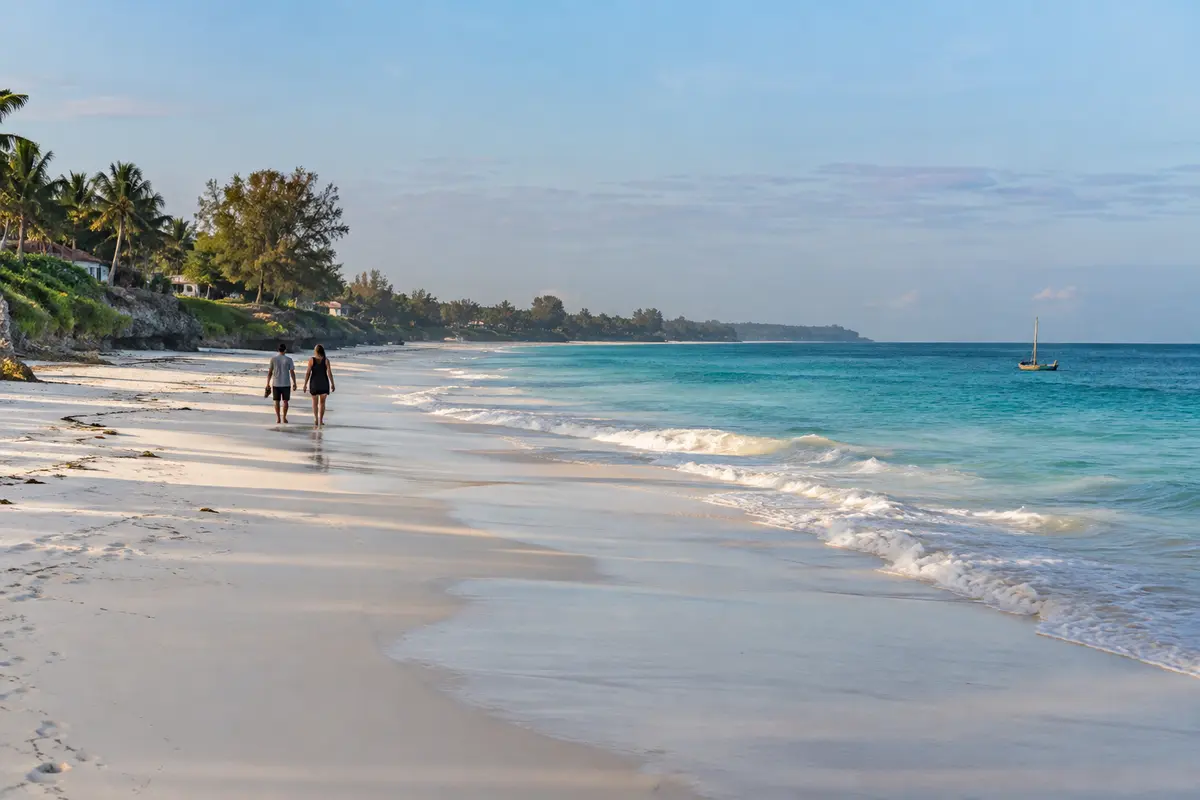
Start at Bofa before breakfast. The sand is still cool, the beach is quiet, and the wet strip near the water feels firm underfoot. Since the shore runs on for a long way, choose a clear turning point before you set off.
Finding public access is not always obvious between the private properties. Ask your host for the nearest known path and carry only what you need.
2. Swim or Explore the Shore According to the Tide
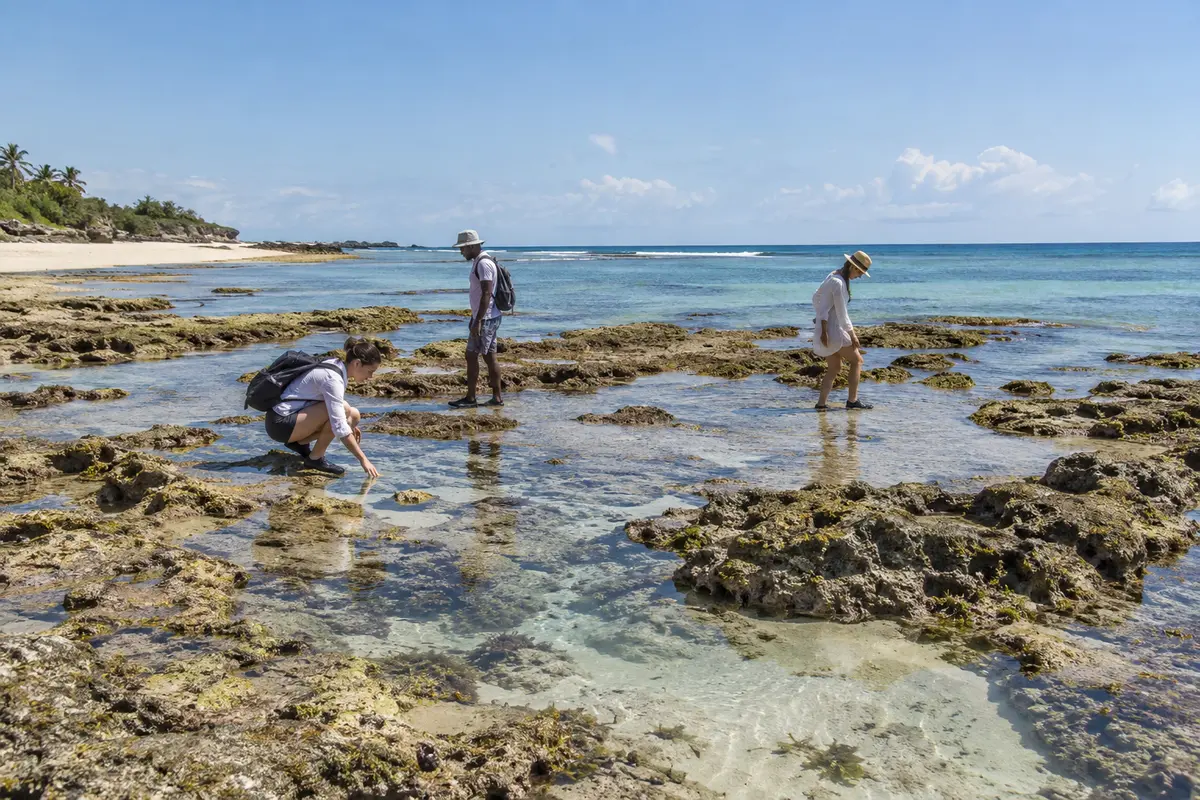
The water can look inviting, but its colour tells you nothing about the current. Ask local staff where people are swimming that day and whether waves or exposed coral make the area unsafe. A swim is one of the simplest things to do in Kilifi once you know where to enter.
At low tide, the water pulls back and leaves shallow pools between exposed rocks. Wear water shoes, keep off living coral, and turn back before the incoming tide covers your route.
3. Take a Beginner Kitesurfing Lesson

From the shore, kitesurfing can look effortless. It is not. A beginner lesson starts on the sand, where you learn how the wind moves the kite and how to release it safely.
Salty’s Kitesurf Village runs lessons at Bofa Beach, but the wind decides whether you get on the water. Book before travelling and ask the school to confirm the session on the day.
4. Have a Slow Coastal Lunch Near Bofa Beach

By lunchtime, you will want shade, a shower, and time away from the sun. Take it. A beachfront meal lets you enjoy Kilifi Beach, Kenya, without treating every hour like an appointment.
Order grilled fish or a Swahili dish if it is available that day. Ask what is fresh and how long it will take before you order, since the catch and menu can change.
5. Take a Guided Tour of Mnarani Ruins
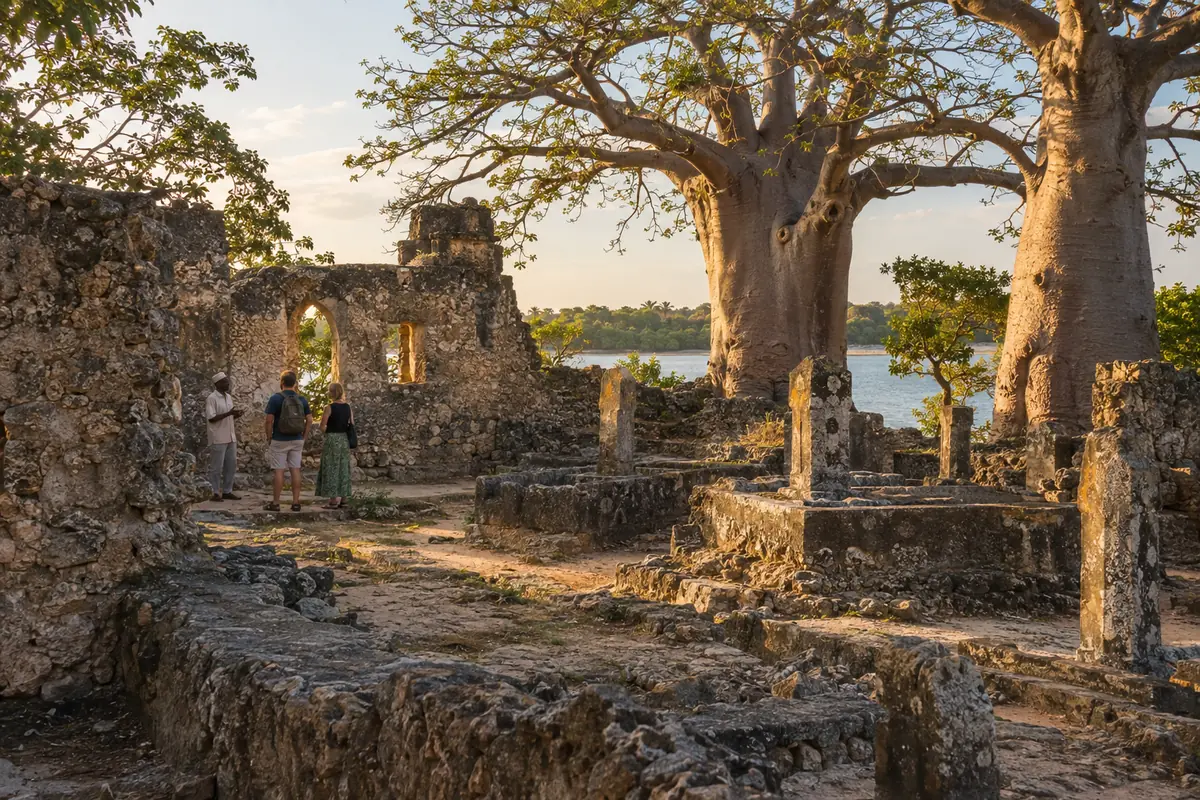
Mnarani changes the pace of the day. Weathered coral-stone walls stand beneath large baobab trees, and parts of the old mosques still show their original shape. A guide can point out the pillar tombs and explain how the settlement was linked to Indian Ocean trade.
If you want more than a beach day, keep Mnarani on your list of places to visit in Kilifi. The site opens daily from 8:30 a.m. to 5:30 p.m. Adult entry costs KSh200 for Kenyan and East African citizens.
Residents and visitors from the rest of Africa pay US $6, while other international visitors pay US $8. Carry identification because the ticket category depends on it.
Read Also: 101 Best Places to Visit in Africa (By Country)
6. Sail on Kilifi Creek at Sunset

A dhow is a pleasant way to let the first day slow down. Once the jetty falls behind, you see the creek from the water and watch the light change along its banks. Some trips include snacks, dinner, or music, while others only cover the sail.
Ask where the boat leaves, how long the trip lasts, and what your payment includes. Check for life jackets too, and find out what happens if bad weather stops the boat from sailing.
7. Look for Bioluminescence on a Guided Night Paddle

On the right night, every paddle stroke can leave tiny blue-green sparks in the water. The glow comes from microscopic organisms disturbed by movement. It is usually easier to see on a dark night away from strong lights.
The glow may be faint, brief, or missing altogether, so treat it as a bonus rather than a promised show. Go with an organised group, wear a life jacket and stay out of unfamiliar water after dark.
Day Two: Choose Your Kilifi Creek and Takaungu Experiences
8. Kayak Through the Sheltered Part of Kilifi Creek

A kayak puts you almost level with the water. You can move quietly past mangroves, moored boats, and small sections of shore that are easy to miss from the road. Beginners should start in calm water with a guide who understands the tide and boat traffic.
Mnarani Beach Club currently lists kayaking among its watersports. Ask whether non-guests can book, whether a guide joins you, and what is included in the fee.
9. Try Stand-Up Paddleboarding, Sailing or Windsurfing
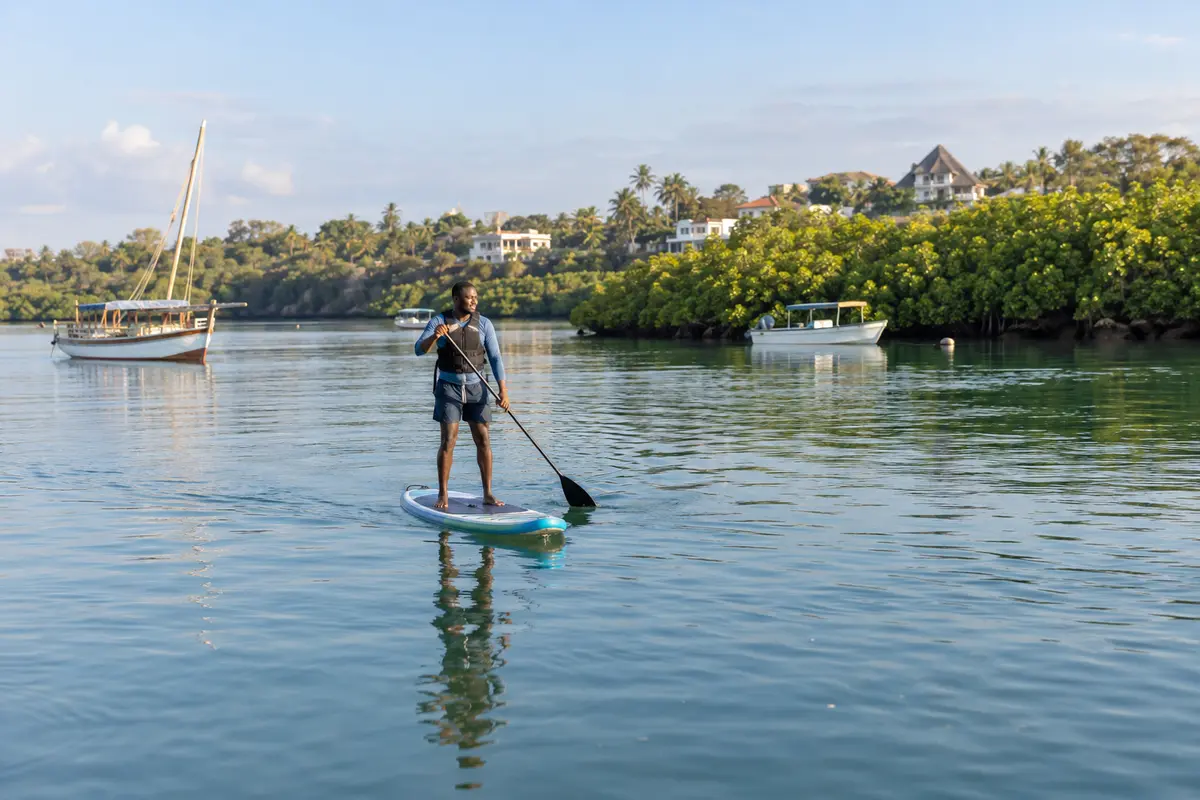
Choose the experience you actually want instead of squeezing three lessons into one morning. Paddleboarding is the easiest place to start on calm water. Sailing and windsurfing need more instruction, and both depend on the wind.
Keep this among the flexible things to do in Kilifi until the operator checks the conditions. Tell the instructor your real experience level so you get suitable equipment and a lesson you can follow.
10. Book a Snorkelling or Scuba-Diving Trip
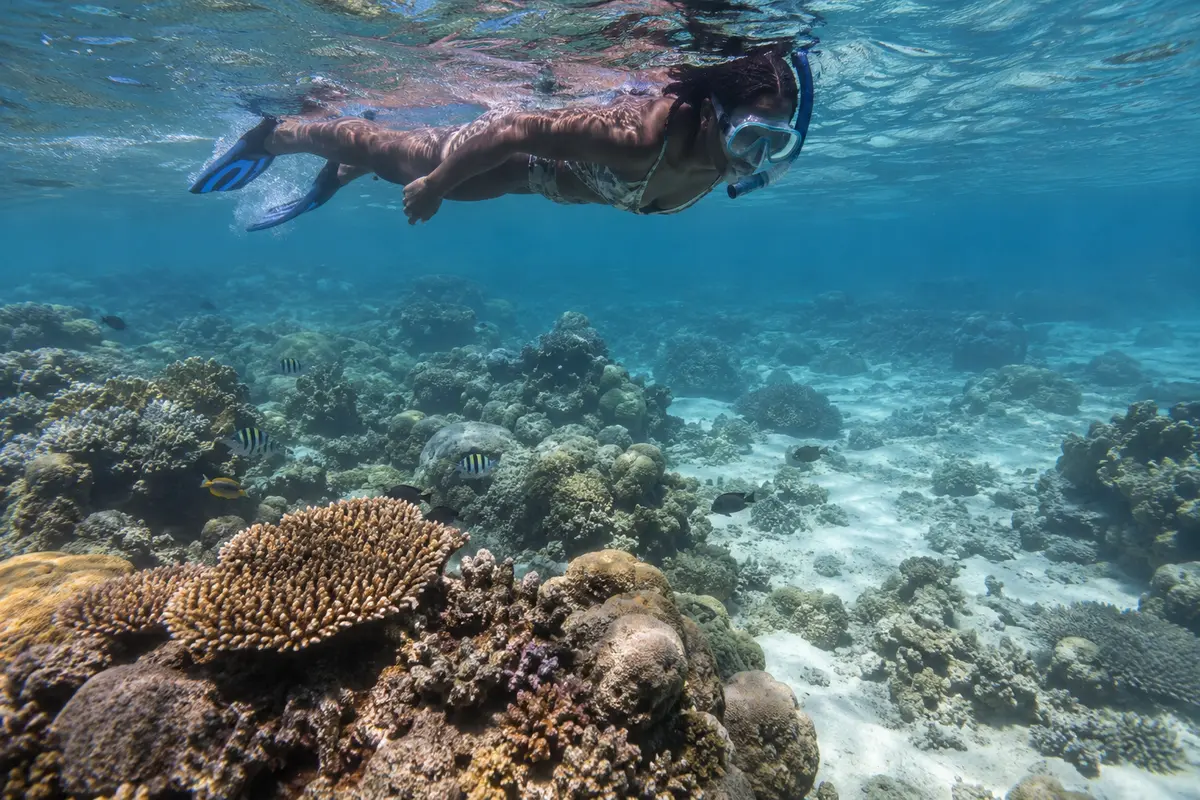
Be realistic about what you will see on a snorkelling or diving trip. Visibility changes with the weather, sea conditions, and the site your operator chooses. Snorkelling takes less time, while certified divers can ask about deeper sites and rental equipment.
Ask which site the operator plans to use and how visibility has been that week. Also check the boat time, marine fees, and cancellation policy before giving up half of your second day.
11. Visit Takaungu Creek and the Old Town

Takaungu feels quieter than Kilifi town. Its older houses, narrow paths, and creek tell a different part of the coast’s Swahili story. A local guide can explain what you are seeing and lead you towards the water when the route is suitable.
People live and work here, so visit with the same respect you would expect in your own neighbourhood. Dress modestly, ask before photographing anyone, and agree on the guide’s fee at the start.
12. See Vuma Cliffs Safely
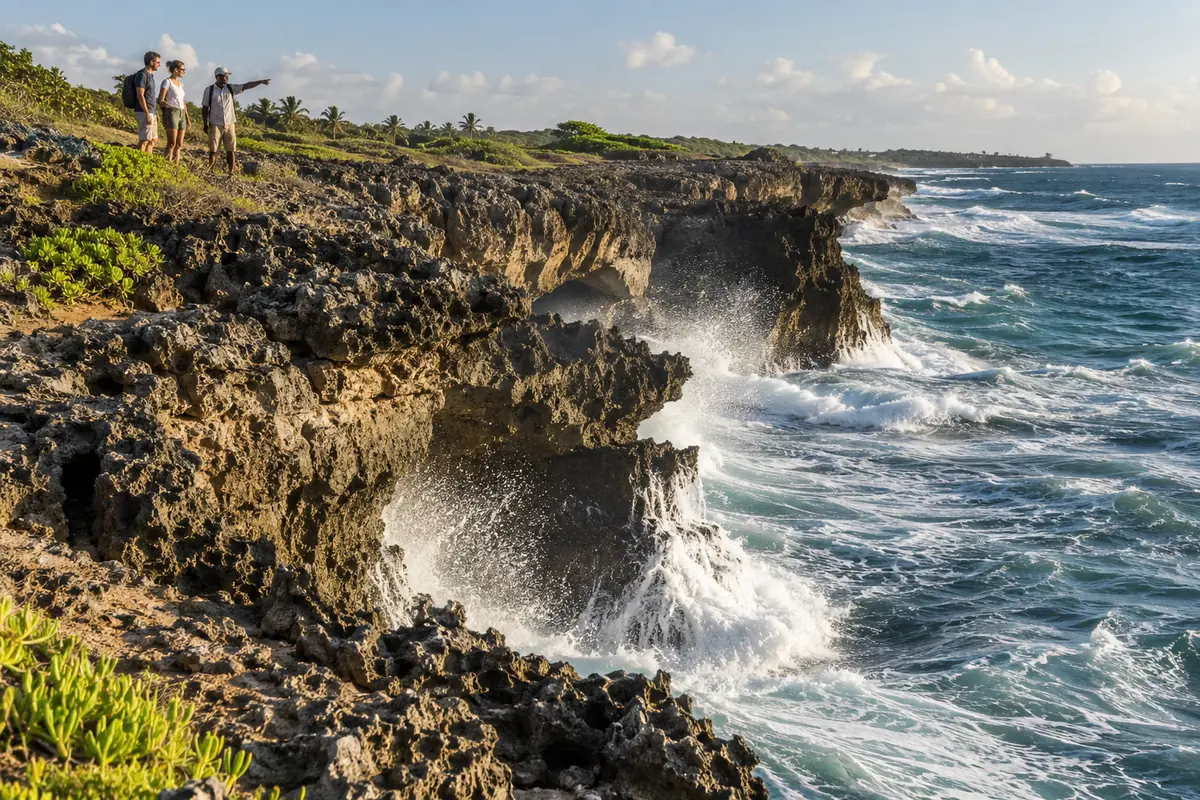
Vuma feels rougher than the rest of this trip. Dark, jagged rock meets white water below, and the spray can leave the edge slippery. Go with someone who knows the route and stay well back from wet rock.
Videos sometimes show people jumping from the cliffs. Leave that out of your plan. The depth, swell, and exit route can change, and there may be no rescue service close by.
A Realistic Two-Day Kilifi Beach Itinerary
You will not complete all 12 activities in one relaxed weekend, and you do not need to. This plan gives Kilifi Beach, Kenya, enough variety without filling every hour. Swap the suggested watersport if the conditions or your interests point elsewhere.
| Time | Day One | Day Two |
|---|---|---|
| 6:30–9:00 a.m. | Bofa Beach walk and a condition-appropriate swim | Kayaking, paddleboarding, or another creek activity |
| 9:00 a.m.–12:00 p.m. | Breakfast and a kitesurfing lesson, if booked | Snorkelling trip or a relaxed morning by the creek |
| 12:00–2:00 p.m. | Lunch and time out of the midday heat | Lunch and travel towards Takaungu |
| 2:00–4:30 p.m. | Mnarani Ruins guided visit | Takaungu town and creek with a local guide |
| 5:00–7:00 p.m. | Sunset dhow cruise | Vuma Cliffs, only if tide and local guidance allow |
| After dark | Optional guided bioluminescence paddle | Dinner and an early finish |
If you are continuing through Kenya, Plot Insider’s guide to 21 fun places to visit in Nairobi can help you plan time in the capital.
Where Should You Stay for a Two-Day Kilifi Trip?
Stay near Bofa Beach if you want to wake up close to the open ocean. It is the better side for long walks and kitesurfing, but you will travel farther for Mnarani Ruins and creek activities.
Choose Mnarani or the creek side if kayaking, sailing, or a dhow trip matters more. Ask whether the property has direct water access. A room described as “near the creek” may still be a drive from the jetty.
Kilifi town works well for transport, shops, and lower-cost rooms. It also keeps several places to visit in Kilifi within a short drive. You will not, however, step straight from your room onto the beach.
Three Mistakes to Avoid at Kilifi Beach Kenya
1. Confusing Kilifi Town With Kilifi County
Watamu, Malindi, Gedi and Marafa are in Kilifi County, but they are not in Kilifi town. Adding them to a two-day Kilifi Beach Kenya itinerary puts too much of the trip on the road.
2. Fixing Every Water Activity Before Checking Conditions
The tide, wind and sea state can change what is safe or enjoyable. Use a reliable operator, but leave enough room to swap snorkelling for kayaking or move a lesson to another time.
3. Treating the Creek and Cliffs Like Supervised Swimming Pools
Kilifi Creek has boat traffic, deep water, and moving currents. Vuma has sharp rock and exposed edges. Use recognised operators, follow local advice, and ignore the risky jumps you see online.
You can also compare Bofa with the best beaches in Africa before choosing a longer coastal stay.
Conclusion
For a first trip, start with Bofa Beach, Mnarani Ruins, and a dhow cruise on the creek. Add one active water session, then choose between Takaungu and another quiet afternoon on the sand. That is enough to make Kilifi Beach Kenya feel like a trip rather than a checklist.
Choose kitesurfing if you want a physical lesson and do not mind waiting for the wind. Kayaking and paddleboarding are calmer. After a busy Kenya itinerary, you may enjoy an unhurried beach afternoon more than another booked activity.
The best weekend here is not the one with the most bookings. Choose a few experiences you care about, then leave room for the tide, the weather, and Kilifi’s slower pace.
Frequently Asked Questions About Kilifi Beach Kenya
Is Kilifi Beach worth visiting?
Yes, especially if you want both the open ocean and a sheltered creek in one town. Kilifi feels quieter than Kenya’s larger coastal resort areas. Some activities need to be arranged before you arrive.
How many days do you need in Kilifi?
Two full days are enough for Bofa Beach, Mnarani Ruins, one creek activity and a dhow trip. Stay for three or four days if you want to dive, try several watersports or travel farther into Kilifi County.
Is Bofa Beach the same as Kilifi Beach?
No. Bofa Beach is the long Indian Ocean shore north of Kilifi town. The named Kilifi Beach is a smaller beach inside Kilifi Creek on the southern side.
Can you swim at Kilifi Beach?
Yes, but the right place depends on the shore, tide and current that day. Ask your accommodation or watersports operator where people are entering the water. Never try to swim across the creek.
What is the best time to visit Kilifi?
The drier periods from roughly January to March and July to October are usually good for beach activities. Mid-year wind can be useful for kitesurfing, while calmer water is better for snorkelling. The best things to do in Kilifi still depend on the forecast for your dates.
How do you travel from Mombasa to Kilifi?
Private transfers, matatus, and buses travel along the Mombasa–Malindi road. A direct trip usually takes between 80 minutes and two hours, depending on traffic and your starting point. Agree on the fare and drop-off point before you leave.
Sources
- Mnarani Ruins — National Museums of Kenya.
- Revision of Heritage Facilities Admission Fees — National Museums of Kenya
- Kilifi Beach and Creek Overview — distinction between Bofa Beach and Kilifi Beach.
- Kilifi–Mombasa Transport — current scheduled road-journey estimates.
- Savannah Dhows — current Kilifi Creek cruise and booking information.