






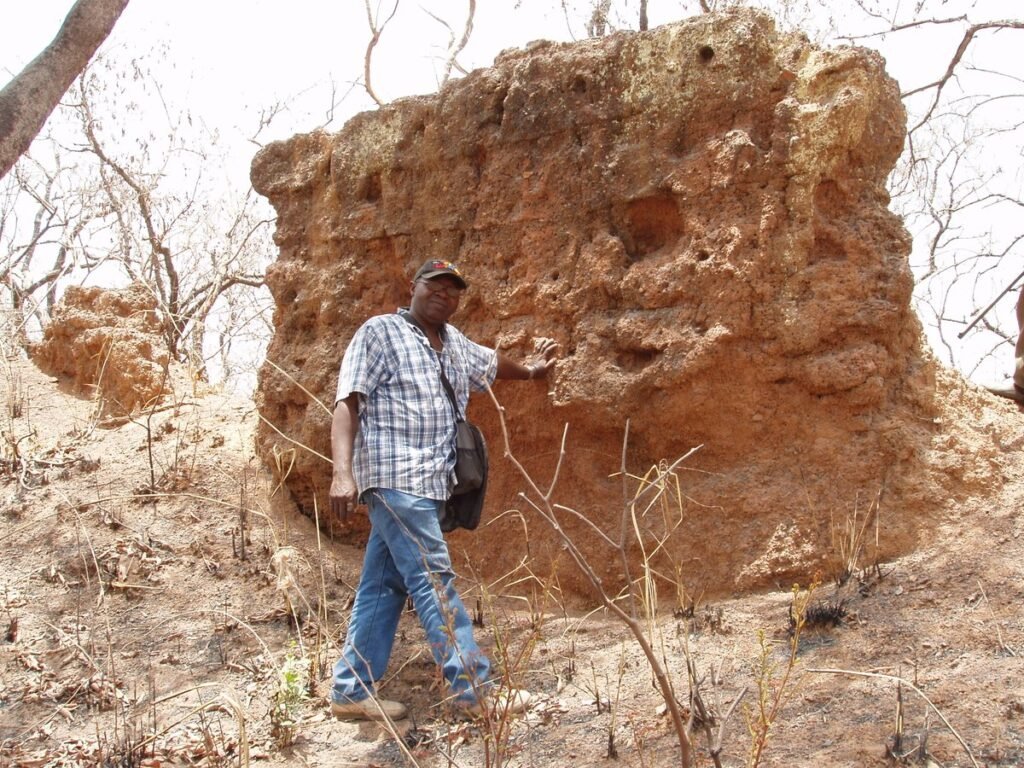
Long before the present city of Oyo was founded, Oyo-Ile was the capital of the Oyo Empire. The city once stood on the land now protected as Old Oyo National Park. Around 1730, the empire had grown into the largest state in West Africa south of the River Niger.
Most young people have heard about the Oyo Empire in history classes, just as I was taught, but they don’t know much about Oyo-Ile. It was the city from which the Alaafin and his government ruled. Oyo-Ile was abandoned in the 1830s, but its remains and proof of life are still found inside the park.
This article explains ten historical facts about Old Oyo National Park that the younger generation should know. It covers the growth of Oyo-Ile, what the ruins reveal, why the city fell, and how the area became a national park.
Table of Contents
Key Takeaways
- Old Oyo National Park protects the remains of Oyo-Ile, the former capital of the Oyo Empire.
- By about 1730, Oyo had become the largest political formation in West Africa south of the River Niger.
- Oyo-Ile covered more than 5,000 hectares. Its walls surrounded a palace, homes, markets, and working areas.
- The city did not fall because of one battle. Political conflict, the Ilorin revolt, military pressure, drought, famine, and disease all contributed to its collapse.
- Old Oyo is not yet a UNESCO World Heritage Site. It has remained on Nigeria’s Tentative List since 1995.
What Is Old Oyo National Park?
Old Oyo National Park is a protected area of about 2,512 square kilometres in northern Oyo State and southern Kwara State. Most people simply call it the Old Oyo Park. It is one of Nigeria’s seven national parks.
The park is named after Oyo-Ile, the former capital of the Oyo Empire. The historical area is found within Oyo-Ile in the northern section of the park. The other sections contain rivers, rocks, and wildlife.
How did this protected area begin? Old Oyo did not become a national park at once. Upper Ogun became a forest reserve in 1936, while Oyo-Ile followed in 1941. Both became game reserves in 1952 before the federal government brought them together as Old Oyo National Park in 1991
Old Oyo National Park protects both nature and the remains of a former capital. You are looking at the physical evidence of a city that once controlled a large part of West Africa.
Read more: places to visit in Nigeria
Why Does the History of Old Oyo Park Matter?
The history matters because Oyo-Ile contains physical evidence of how people lived before colonial rule. The remains show how Oyo-Ile was governed and how people lived there.
Apart from this, important African history is not preserved only through oral accounts. Archaeological studies are needed to support these accounts, and researchers have studied Oyo-Ile since 1938.
Old Oyo has been on Nigeria’s UNESCO Tentative List since 1995. Tentative status is not the same as full World Heritage recognition. It means Nigeria has identified the site as a possible candidate for future nomination.
For younger Nigerians, the ruins have turned the names we only read in history books into a real experience. The Alaafin, Bashorun, Akesan Market and Oyo cavalry are no longer only people and terms from a history lesson. You can connect them to the capital where that political system developed.
10 Historical Facts About Old Oyo National Park
1. Old Oyo National Park Protects the Former Capital of an Empire
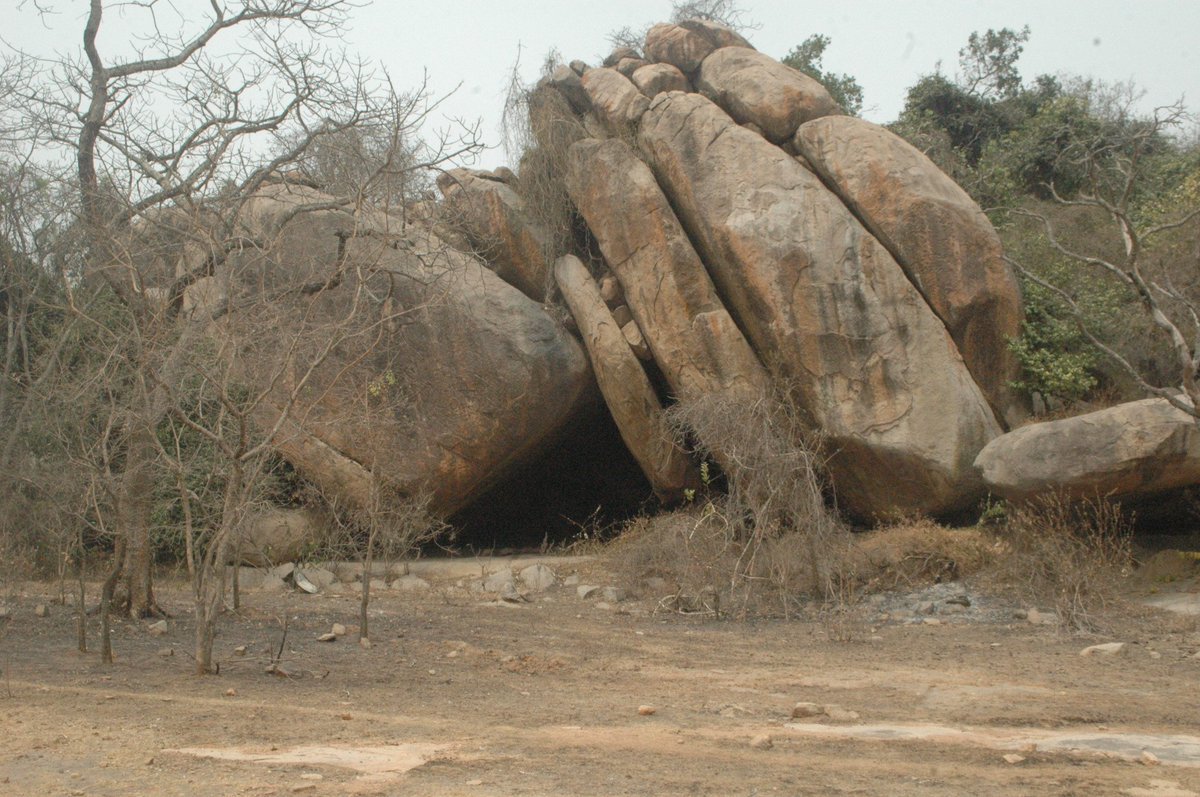
The old city inside the park is called Oyo-Ile. It was the political centre/capital of the Oyo Empire and the home of the Alaafin. The royal household lived there, while palace officials managed the empire from the capital.
The name “Old Oyo” separates Oyo-Ile from the present city of Oyo. However, the entire national park was not once a city. The Oyo-Ile ruins cover only one section of the park.
2. Oyo Became One of the Most Powerful States in West Africa
Oyo began expanding from the savanna into the forest region between the late sixteenth and early seventeenth centuries. Around 1730, it had become the largest political formation in West Africa south of the River Niger.
The empire controlled towns and kingdoms across a large area. Its reach extended towards the Atlantic coast and into parts of what are now Benin and Togo. Oyo also collected tribute from several states, including Dahomey during part of the eighteenth century.
The Alaafin did not govern alone. The Oyo Mesi, led by the Bashorun, took part in major political decisions and could challenge the king. Provincial military leaders and officials also helped the capital manage territories that were too far away for the palace to control directly.
Read more: best places to visit in Africa.
3. Oyo-Ile Was a Large City
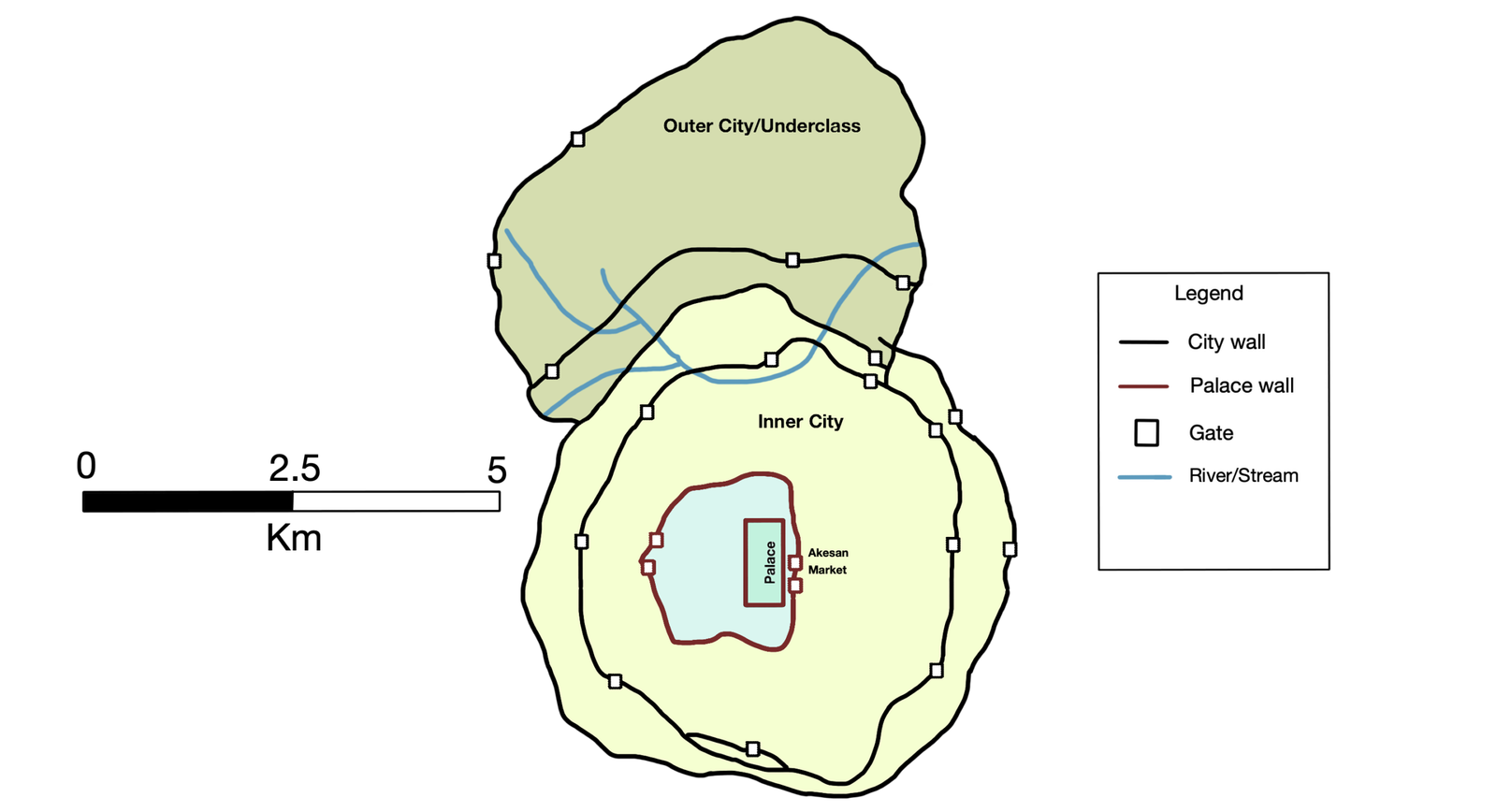
Oyo-Ile covered more than 5,000 hectares in the eighteenth century. Archaeological surveys show that the city stretched about ten kilometres from north to south and six kilometres from east to west.
Residential compounds covered hundreds of hectares. Pottery fragments were also found in larger areas. This showed that people lived and worked in different parts of the city.
Oyo-Ile was far more than one palace surrounded by a few homes. Large residential quarters covered one part of the city. Meanwhile, the palace and market area took up other parts.
4. Several Walls Protected Different Parts of the Capital
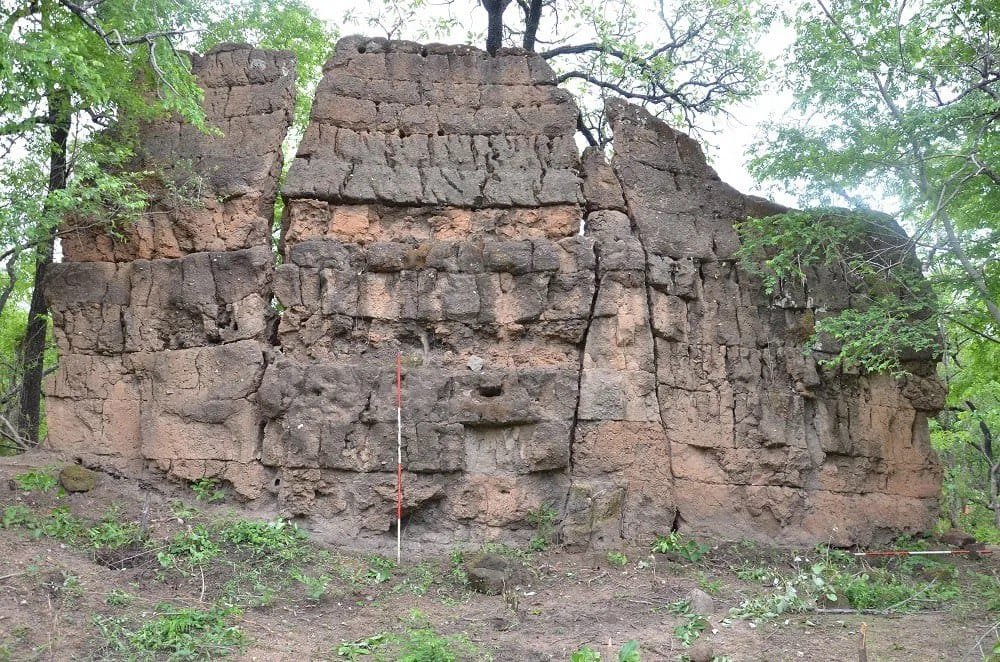
Oyo-Ile had more than one city wall. An inner wall enclosed the palace area, while larger outer walls protected other sections of the capital. Deep and shallow ditches added another layer of defence.
UNESCO records a 7.5-kilometre wall around a 200-hectare area containing the palace compound and an old water reservoir. Two larger walls measured about 18 and 28 kilometres. Guardhouses stood near some gateways, where movement into the city could be watched.
As Oyo-Ile expanded, builders added new boundaries. Each line marks another stage in the growth of the capital.
5. The Ruins Show How People Lived Inside Oyo-Ile
The palace is only one part of what remains. Archaeologists have found courtyard compounds, granary stones, pottery, refuse mounds, grinding stones, and hollows cut into rock. These objects show how families lived and worked inside the capital
Most homes were built around an open courtyard. Families cooked and worked in this shared space. The courtyard was also where they spent time together.
Broken pottery found at the site also helped archaeologists identify where people lived. It also shows how far the built-up city extended.
When it came to water storage, residents collected water in a large dug-out reservoir and smaller wells. The land around Oyo-Ile is rocky, so they also kept water in cisterns during dry periods.
In addition, their market, the Akesan Market, was close to the palace. stood close to the palace, so royal authority was never far from the busiest commercial part of the city. In the same vein, the palace and market are close together in New Oyo.
Read more: the best things to do in Lagos.
6. Oyo-Ile Was Abandoned and Reoccupied Before Its Final Fall
The abandonment in the 1830s was not the first time Oyo leaders left the capital. Historians estimate that Nupe attacks forced the Alaafin and his people out of Oyo-Ile around 1535. The royal court moved through several places before establishing another capital at Igboho.
The exile lasted for about three-quarters of a century. Oyo forces recovered under rulers including Orompoto, Ajiboyede, and Abipa. Alaafin Abipa led the return to Oyo-Ile around 1610.
After the return, Oyo-Ile entered its greatest period of expansion. A city that had once fallen to an enemy became the centre of a growing empire.
7. Horses Were Used To Build The Military Power
Oyo’s location in the savanna gave it access to horses brought from areas farther north. The empire developed a strong cavalry at a time when thick forest limited the use of horses in southern Yorubaland.
Mounted soldiers helped Oyo move quickly across open country. They protected trade routes and fought rival states. With a stronger army, the empire could expand further.
Horses cost money and needed specialised care. Replacing them also depended on the income Oyo received from trade and tribute.
So, Oyo-Ile’s location was important. The capital was close enough to northern trade networks to obtain horses. It could also control routes leading towards the coast.
8. Foreign Travellers Saw Oyo-Ile Shortly Before Its Abandonment
Scottish explorer Hugh Clapperton reached Oyo-Ile in 1826. Richard and John Lander passed through around 1830. Their accounts describe an active capital, not an empty ruin.
These visits came only a few years before the city was abandoned. Oyo-Ile was still active around 1830, yet it had collapsed by the middle of the decade.
The travellers described Oyo-Ile during its final years. However, the Oyo-Ile ruins reveal how residents lived centuries before their visit.
9. The Empire Did Not Collapse Because of One Battle
Oyo did not collapse overnight. Conflict between the Alaafin and powerful chiefs weakened the government over many years. Leaders in the provinces also challenged the capital.
Afonja, the military commander based in Ilorin, rebelled against the Alaafin and formed an alliance with Muslim fighters led by a Fulani cleric. The alliance later broke down, and Ilorin became a new power that fought against Oyo. By the mid-1830s, the old capital could no longer defend itself.
Afonja eventually lost control of the fighters he had invited into Ilorin and was killed. Ilorin then joined the Sokoto Caliphate, while Oyo was now fighting a former provincial town that understood its routes and weaknesses.
Drought and famine made the crisis worse. Disease weakened the population as well. Oyo-Ile was abandoned around 1836 or 1837 after military defeat and years of internal problems.
In most history books, the reason for the collapse is documented as “Fulani invasion”, but it doesn’t explain the right details.
10. The Present City of Oyo Is Not the Ancient Capital
After Oyo-Ile fell, Alaafin Atiba established a new capital at Ago, about 130 kilometres south of the old city. The settlement grew into the present city of Oyo. This is why historians use “Oyo-Ile” or “Old Oyo” when referring to the former imperial capital.
Atiba recreated parts of the old city’s organisation in the new capital. The palace remained close to Akesan Market, and religious places connected to Sango appeared again. In this way, important Oyo traditions continued even after the empire had lost much of its former power.
Read more: reasons to visit Nsukka.
Conclusion
Old Oyo National Park is not just a protected forest with a famous name. The ruins show that Oyo-Ile was a large and organised capital with a powerful royal government.
The story also warns against reducing history to a single event. Oyo rose through trade, military strength and political organisation. Internal conflict, rebellion, environmental hardship and external pressure later brought the old capital down.
The younger generation should know that this history still has a physical address. It remains in the walls, pottery, reservoir and palace grounds protected inside Old Oyo National Park.
Frequently Asked Questions About Old Oyo National Park
Where Is Old Oyo National Park?
Old Oyo National Park covers parts of northern Oyo State and southern Kwara State. Its administrative head office is in Isokun, Oyo, along the Oyo-Iseyin Road. The archaeological area of Oyo-Ile is in the northern section of the park.
What Is Old Oyo National Park Famous For?
The park is famous for protecting the Oyo-Ile ruins, which include the remains of the Alaafin’s palace, city walls, markets, water systems and residential areas. It also protects savanna woodland, rivers, caves, rock formations and wildlife.
Why Was Old Oyo Abandoned?
Oyo-Ile was abandoned after years of political conflict, rebellion and military pressure from Ilorin. Drought, famine and disease also weakened the capital. The final abandonment took place around 1836 or 1837.
Is Old Oyo a UNESCO World Heritage Site?
No. Old Oyo has remained on Nigeria’s UNESCO Tentative List since 1995. A place on the Tentative List may be nominated in the future, but it does not yet have full World Heritage status.
Is Oyo-Ile the Same Place as the Present City of Oyo?
No. Oyo-Ile was the northern capital of the old Oyo Empire. The present city developed around Ago after Alaafin Atiba established a new capital about 130 kilometres south of Oyo-Ile.
Sources
- Nigeria Park Service: Old Oyo National Park
- UNESCO World Heritage Centre: Old Oyo Tentative List Entry
- Robert Smith: The Alafin in Exile
- Robin Law: Political Disintegration in the Kingdom of Oyo
- Akinwumi Ogundiran: Managing Epidemics in Ancestral Yoruba Towns and Cities


