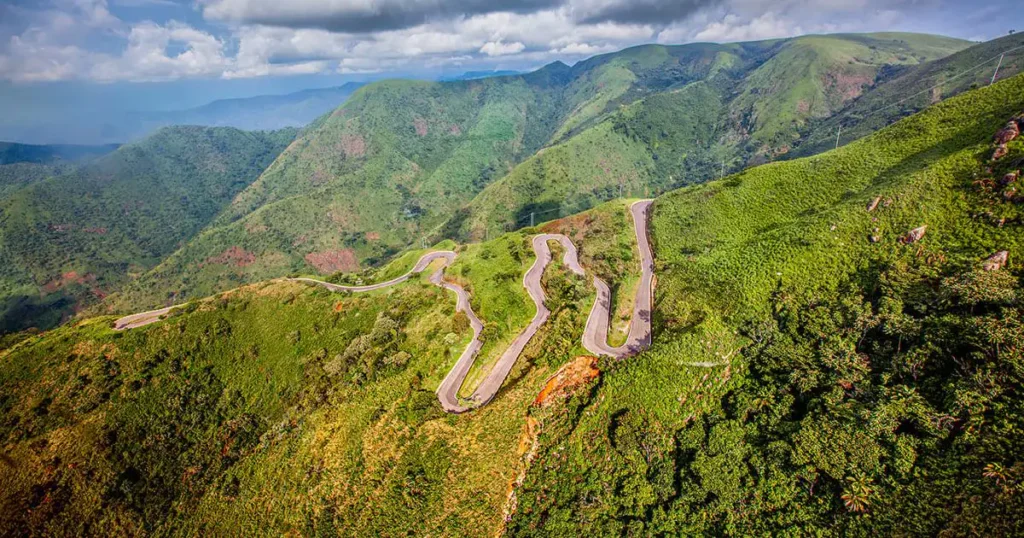
Only two places in Nigeria hold UNESCO World Heritage status: the Osun-Osogbo Sacred Grove in the Southwest and the Sukur Cultural Landscape in the Northeast. These Nigeria places are located in two different regions, reflecting the country’s cultural and geographical diversity.
However, they are not the only places, or the only regions in Nigeria, with stunning sights worth exploring. Across Nigeria, you will find suspended lakes, waterfalls hidden inside caves, and many more attractive centres that are not recognised by any organisation in the world. Worse, some people residing in those locations do not even know the rich heritage in their environment, some because it has become an everyday sight, while others don’t even know of their existence.
In this article, we will explore the 25 most stunning places in Nigeria to visit in 2026. We’ll also explain what makes each destination special, along with key facts to know.
Table of Contents
Key Takeaways
- The 25 Nigeria places/tourist attractions cover 16 states and the FCT. The list is not ranked from best to worst. Choose according to your location, interests, and preferred trip.
- Only two destinations have UNESCO World Heritage status: the Osun-Osogbo Sacred Grove and the Sukur Cultural Landscape.
- 682 steps lead to Idanre’s upper settlement, while more than 350 steps begin the climb to Ado-Awaye’s Iyake Lake.
- November to March is better for road trips and hiking. November to March is better for road trips and hiking. Waterfalls look fuller during the rainy season, but the roads can be harder to navigate, and the trails become more slippery.
What Makes Nigeria’s Most Beautiful Places Different?
What makes the stunning places in Nigeria stand out is not one thing. The country has a wide mix of experiences: mountain escapes, rainforest trails, waterfalls, caves, beaches, cultural sites, and lots more. For instance, there are the cold hills of Obudu, the sacred forest of Osun-Osogbo, and the caves at Ogbunike.
The second difference is how nature and culture often coexist in many of the Nigerian places. Osun-Osogbo is both a forest and an important spiritual site, with shrines and sculptures spread along the Osun River; Sukur combines a mountain settlement with stone structures, terraces, and centuries of farming traditions. These places offer more than scenery; they give visitors a chance to understand the communities and histories connected to them.
The third is that many of these destinations have not been heavily commercialised. That can be part of their appeal because the scenery often feels natural and the experience is not packaged for tourists. However, it also means some places have rough access roads, limited facilities, inconsistent pricing, and fewer organised services.
Why These Nigeria Places Matter in 2026
These places matter because they show how much more Nigeria has to offer beyond its well-known cities. According to Reuters, in 2025, GDP increased by about 3.3% in the first quarter; economic sectors, including marine, arts, culture, tourism, and e-commerce, have grown significantly since the last rebasing in 2014. Tourism brings visitors to places where local guides, drivers, boat operators, accommodation providers, and other businesses depend on visitor spending.
They also represent natural and cultural heritage. UNESCO lists only two Nigerian sites as World Heritage Sites, while the country has about 13 properties on its Tentative List. Even Nigeria’s park services manage seven national parks. This is a recognition gap, and this list can shed more light in these overlooked areas.
Most importantly, these places broaden the picture of Nigeria for both local and international visitors. They show the tourist attractions in Nigeria beyond Lagos and Abuja.
25 Stunning Nigeria Places to Visit in 2026
We chose these Nigeria places and tourist attraction centres for their scenery, history, cultural importance, and access. Some are easier to visit than others. Prices included are gate fees or recent visitor reports, not complete tour budgets. We thought you should know that.
1. Obudu Mountain Resort, Cross River
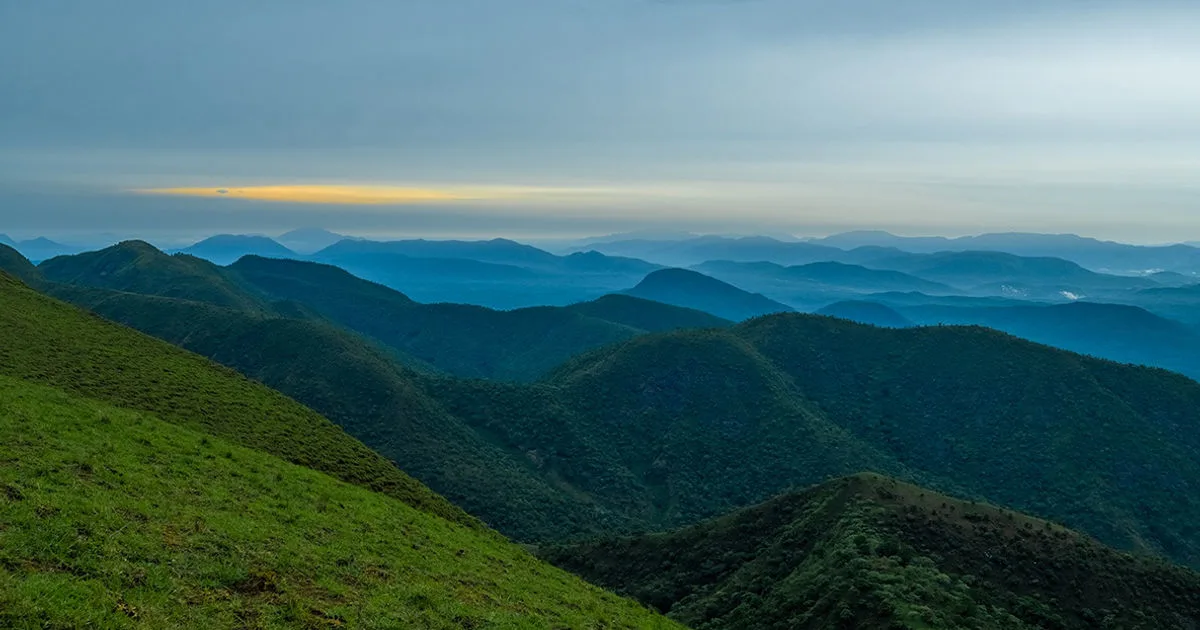
The early morning mist is one of my favourite appeals of Obudu, along with the grass-covered hills and deep valleys. Stay at least two nights so you can enjoy the walks and cool air. There is numerous attractive scenery close to the ranch, including waterfalls and mountain climbing.
Confirm whether the cable car is working. The resort has 4-kilometre cable ride that climbs 870 metres, but recent visitors report it is under maintenance. Obudu is one of the most visited tourist attractions in Nigeria.
2. Iyake Suspended Lake at Ado-Awaye, Oyo
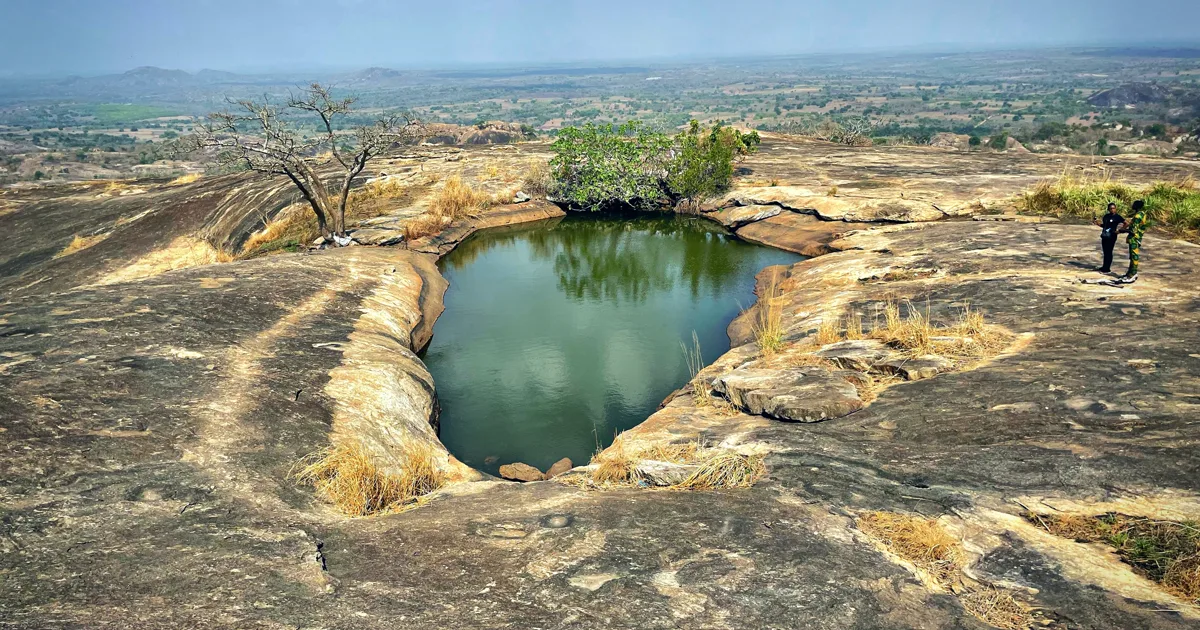
At Ado-Awaye, you can visit the famous suspended lake and also hike. The route passes unusual rock formations and opens onto wide views before you reach the lake near the top of Oke Ado. More than 350 steps only begin the climb; the rest continues over uneven rocks.
3. 682 Steps at Idanre Hills, Ondo
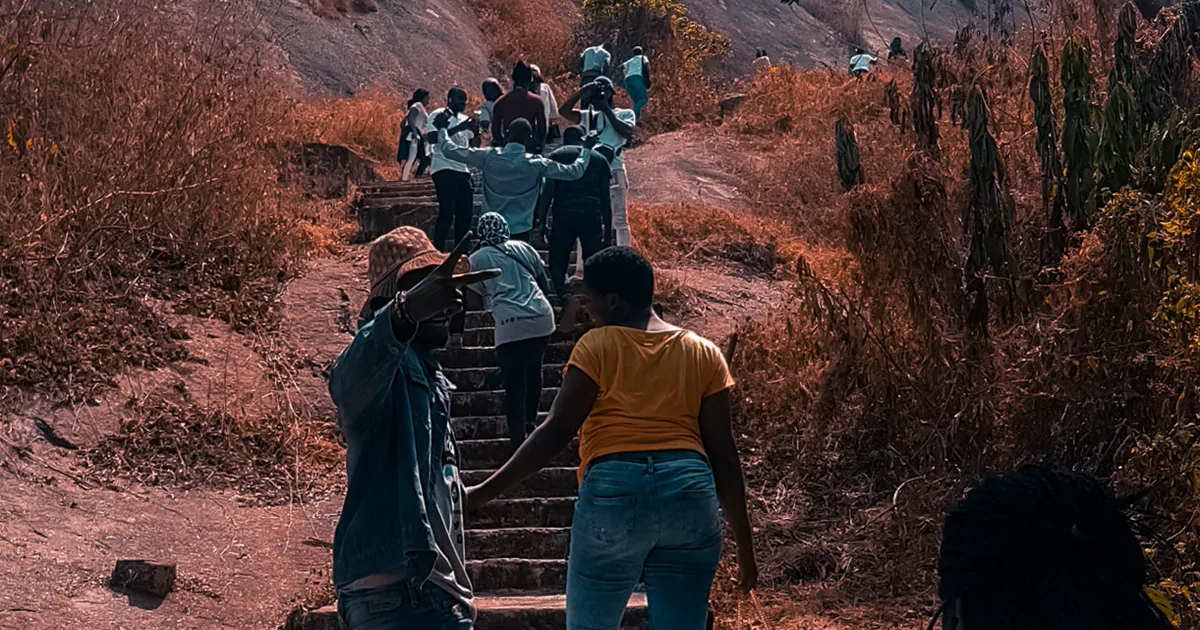
The 682 steps at Idanre Hills lead to an old settlement tucked among enormous boulders above the modern town. At the top, you can explore the old palace, court, school, shrines, and narrow paths linking buildings that have stood there for generations. The climb brings the views, but the abandoned settlement and its stories are what make Idanre memorable.
Wear shoes with good grip for comfort while exploring.
4. Ikogosi Warm Springs, Ekiti
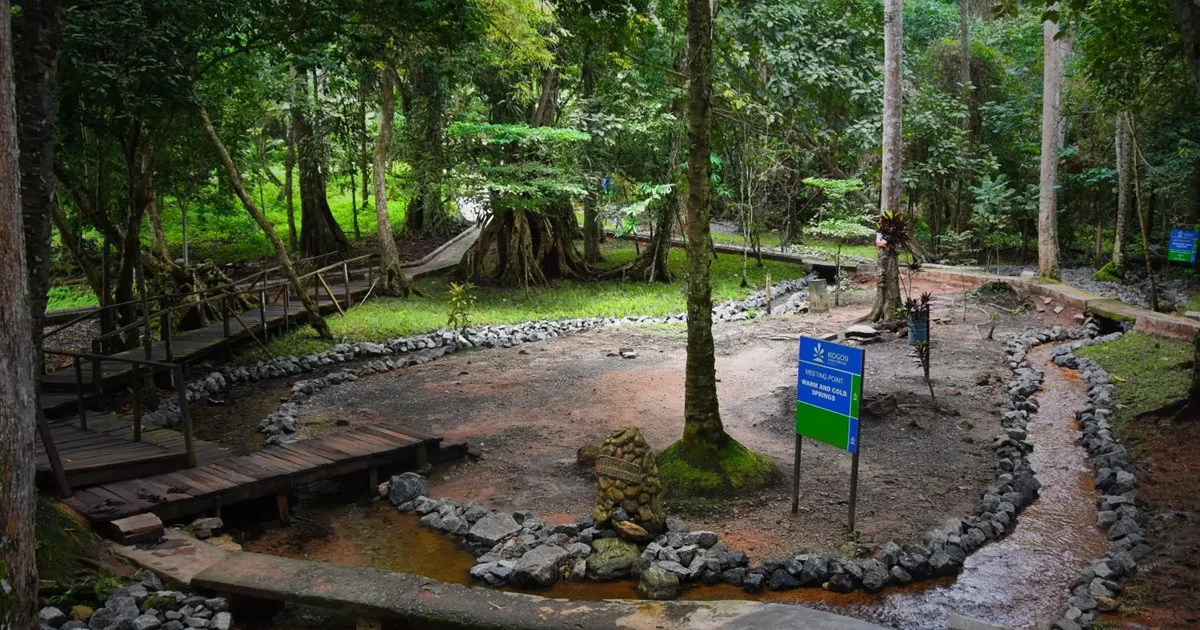
At Ikogosi, warm and cold water run beside each other before joining in one stream. As you follow the shaded paths, you will feel the difference in temperatures and listen to your tour guide’s stories about the springs. The surrounding resort has a pool, accommodation, and outdoor activities, making Ikogosi one of the more relaxed tourist attractions in Nigeria for couples and families.
5. The Sacred Forest at Osun-Osogbo, Osun
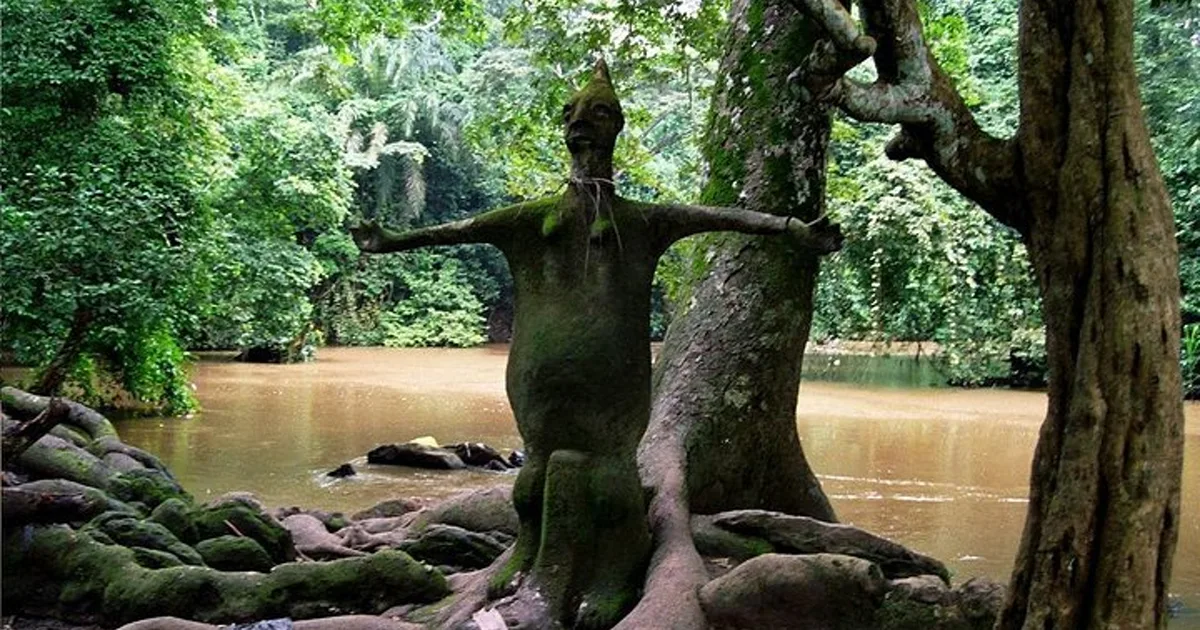
Osun-Osogbo is one of the Nigeria places that isn’t just an ordinary park. It is a sacred forest with an outdoor art space and a living place of worship. Paths beside the Osun River pass giant sculptures, palaces, and worship points dedicated to Osun and other Yorùbá deities.
There is a record of 40 shrines, two palaces, five sacred places, and nine worship points. Go with an accredited guide, who will reveal the meaning of the art and the forest’s importance to the Yoruba’s. Do not collect or drink the river water; authorities have reported it may be polluted.
6. Olumo Rock, Abeokuta, Ogun
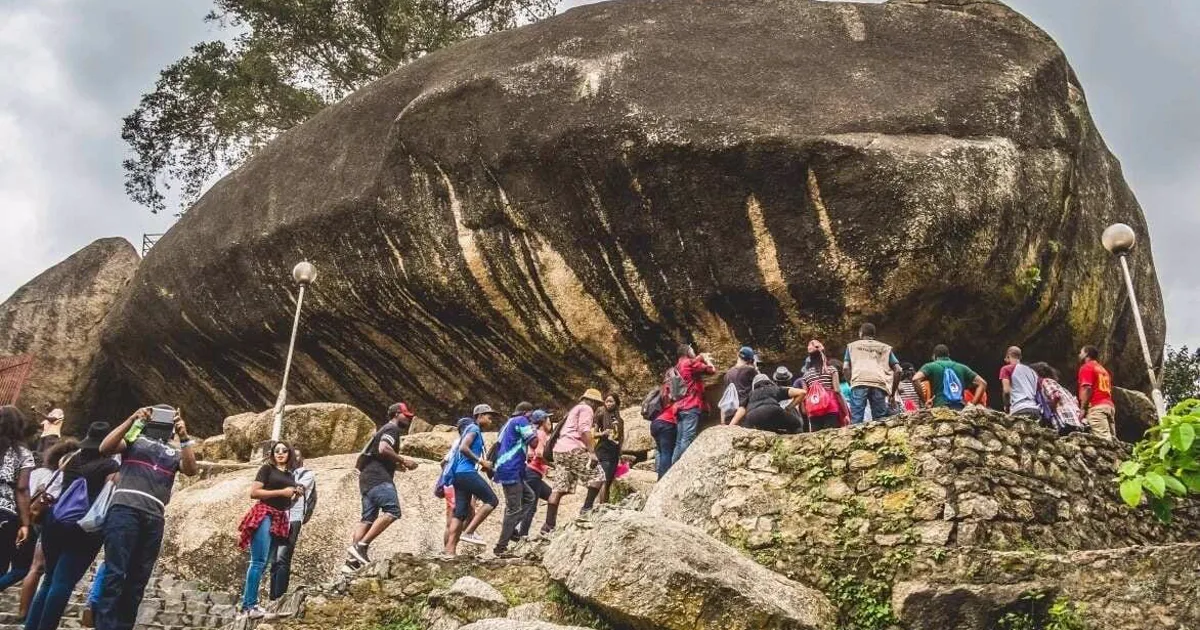
Quite frankly, the view this place gives of Abeokuta’s rusty roofs is impressive, but Olumo is better, especially as you explore its narrow passages and shelter caves. A guide can explain how the rock protected the Egba people during nineteenth-century warfare. The stories attached to its caves and shrines make the visit more meaningful than a quick summit photograph.
7. Erin-Ijesha Waterfalls, Osun
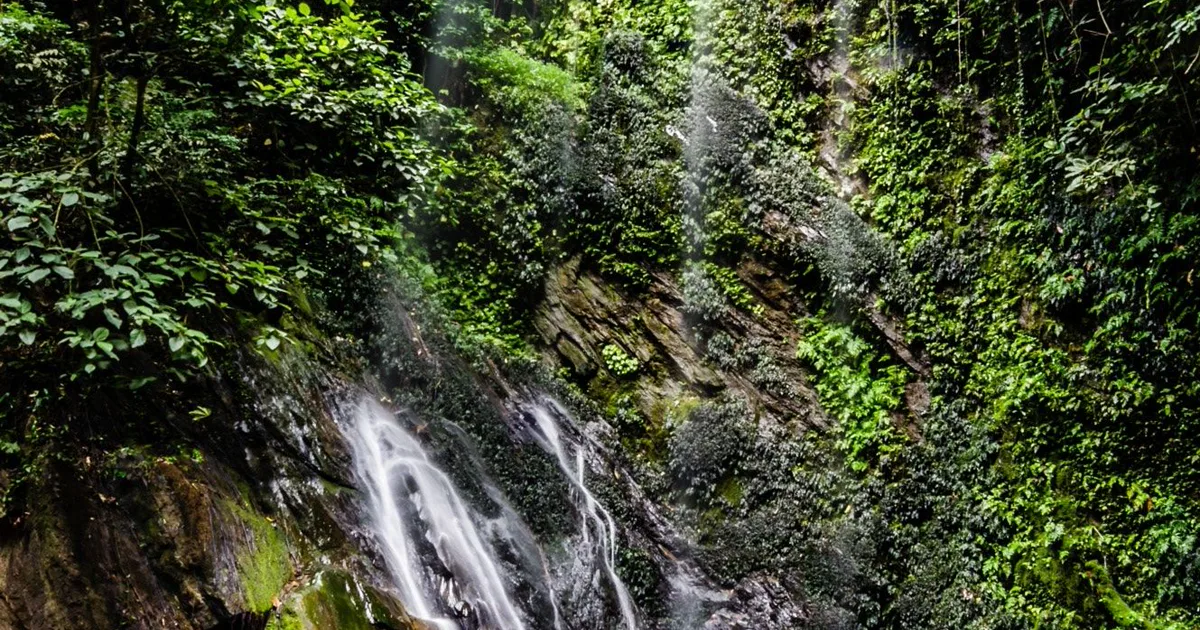
Erin-Ijesha, also called Olumirin Waterfalls, unfolds across seven levels. Visitors cool off and take photographs around the lower cascades, while the upper levels turn the outing into a steeper forest hike.
Each climb reveals another section of the falls and wider views of the surrounding hills. You do not have to reach the seventh level, but anyone who enjoys a challenge will want to keep going.
8. Lekki Conservation Centre, Lagos
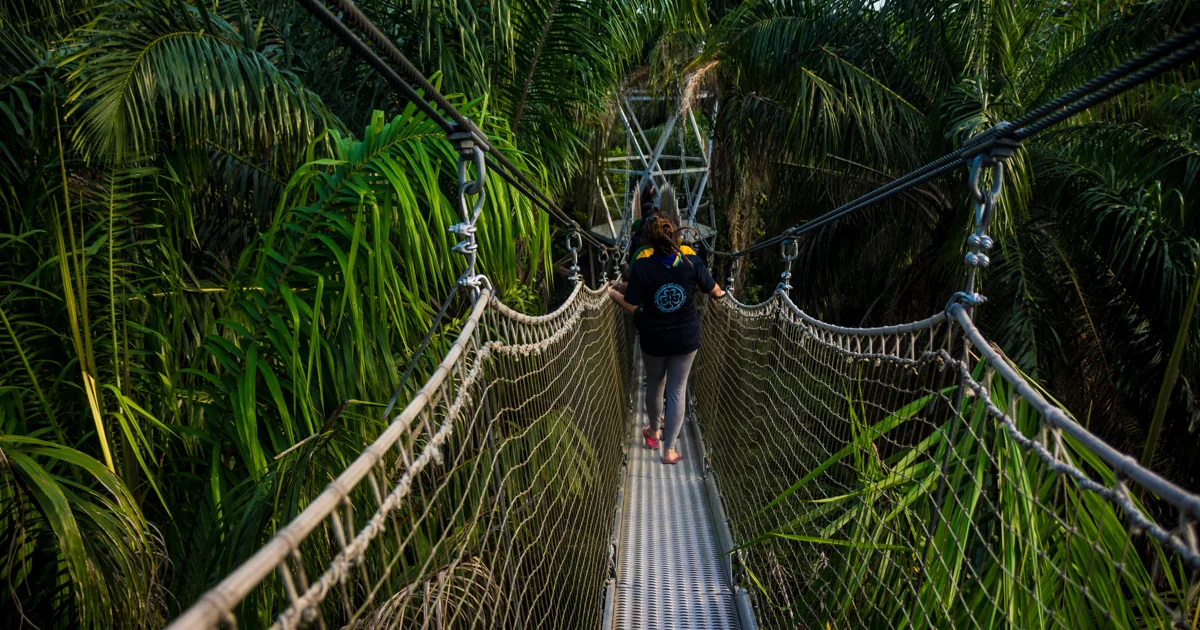
Lekki Conservation Centre is a pocket of wetland and forest within Lagos. It is one of the most stunning places to visit in Nigeria. Along the walkway, you will pass palm trees, swamp vegetation, birds, and monkeys before reaching the family park.
There is the famous 401-metre canopy walkway that carries visitors above the trees, but it is optional. You can remain on the boardwalk, climb the treehouse, or relax around the ponds and shaded picnic areas instead.
9. Tarkwa Bay by Boat, Lagos
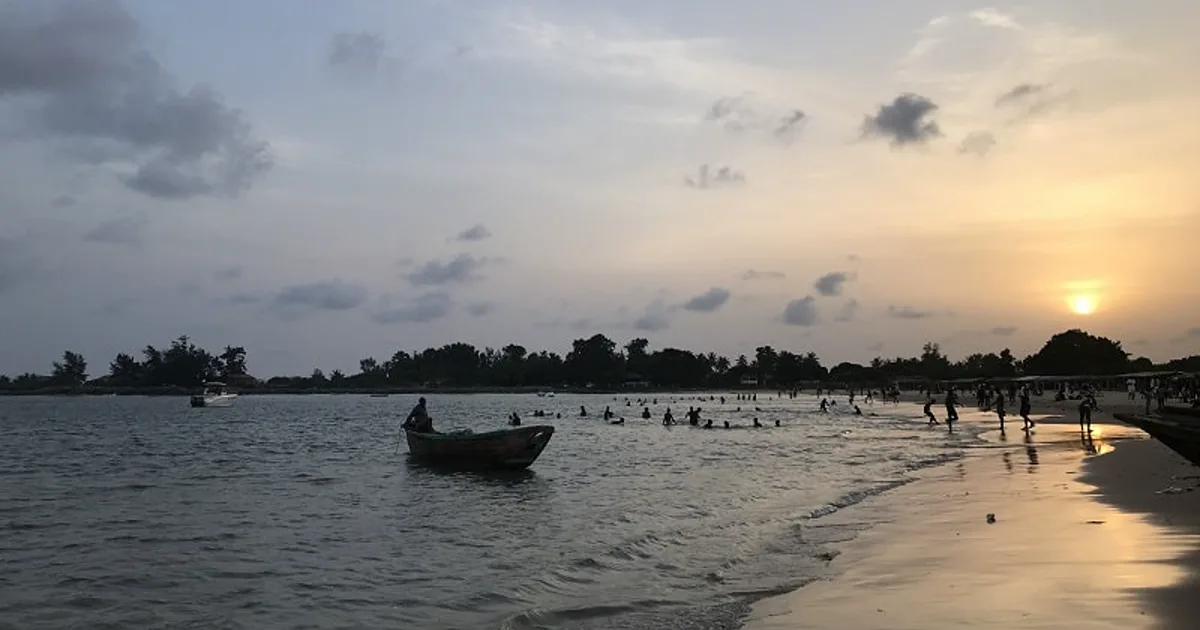
The journey to Tarkwa Bay begins with a boat ride as Lagos recedes and the sheltered beach comes into view. Once there, you can swim, try a surf lesson, eat freshly prepared food, or settle under a cabana with friends. It feels removed from the city without being far away.
Our guide to the richest neighbourhoods in Lagos explains the waterfront districts along the route.
10. Ogbunike Caves, Anambra
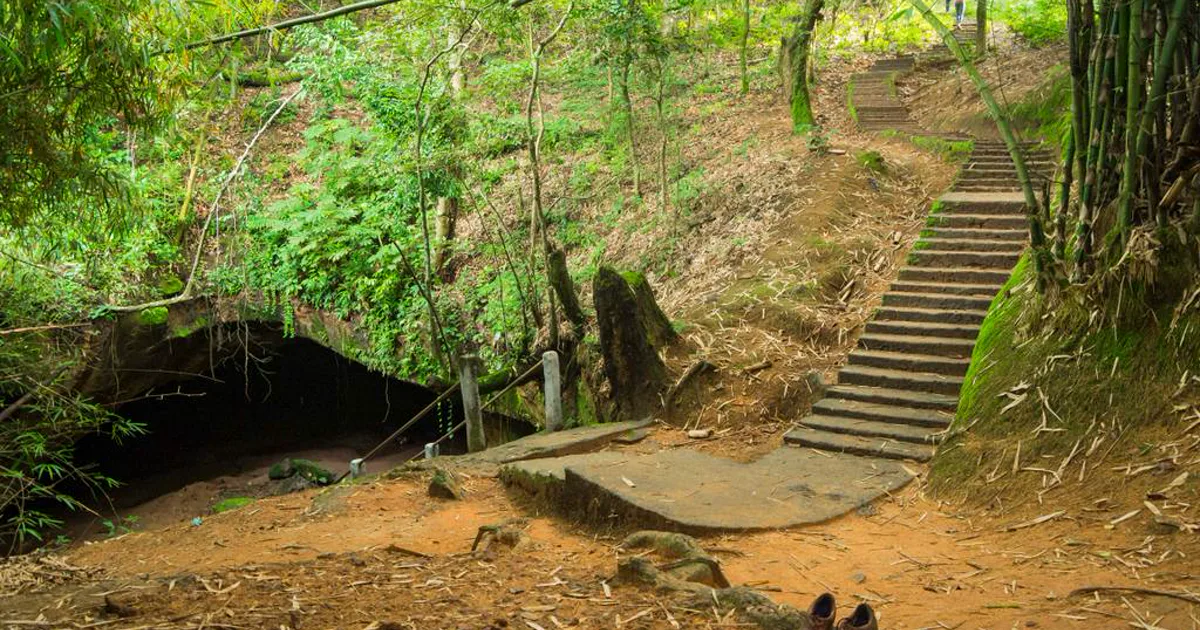
Many people do not know there is a cave in Anambra State. At Ogbunike Caves, more than 300 steps descend through thick vegetation to the caves.
Underground, the main chamber opens into 10 tunnels leading towards smaller chambers, streams, and bat colonies. One stream meets the Nkissa River, where warmer cave water and cooler river water flow together. The caves also hold spiritual importance, so a local guide adds cultural meaning to the adventure.
11. Awhum Waterfall, Enugu
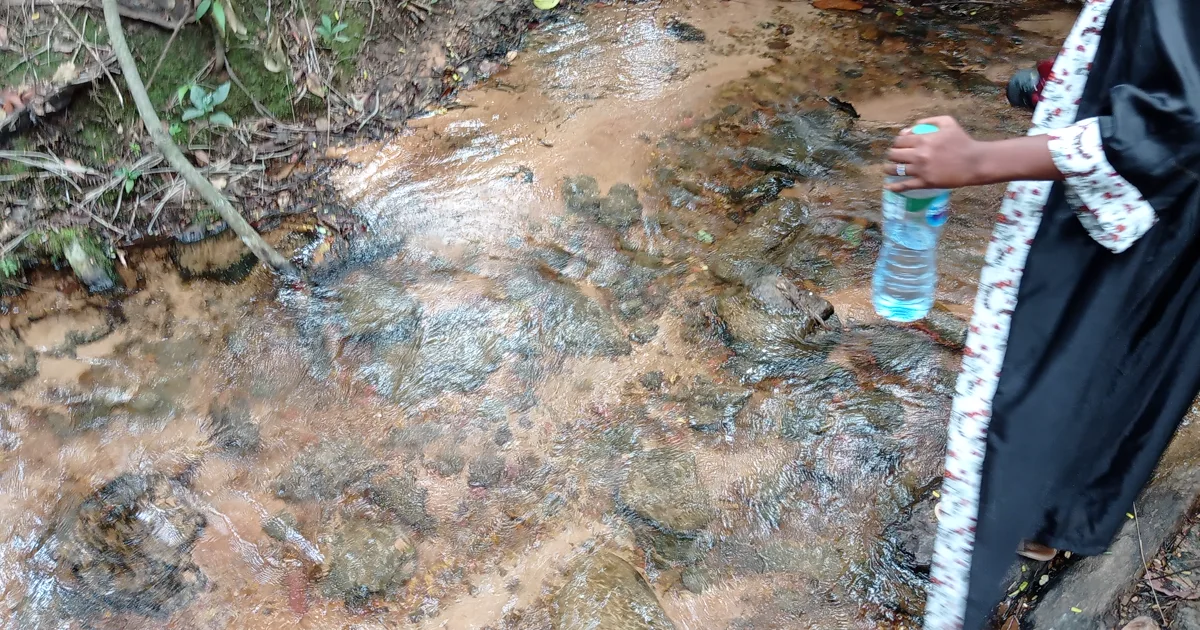
Awhum Waterfall is located close to a Catholic monastery, and the forest path gives it a quiet, retreat-like atmosphere. Water flows over a wide rock surface and falls from beneath a cave-like rocky ledge into the stream below.
Visitors enjoy the walk, take photographs, and embrace the calm surroundings. Many also believe the water has spiritual and healing significance.
12. Ngwo Pine Forest, Enugu
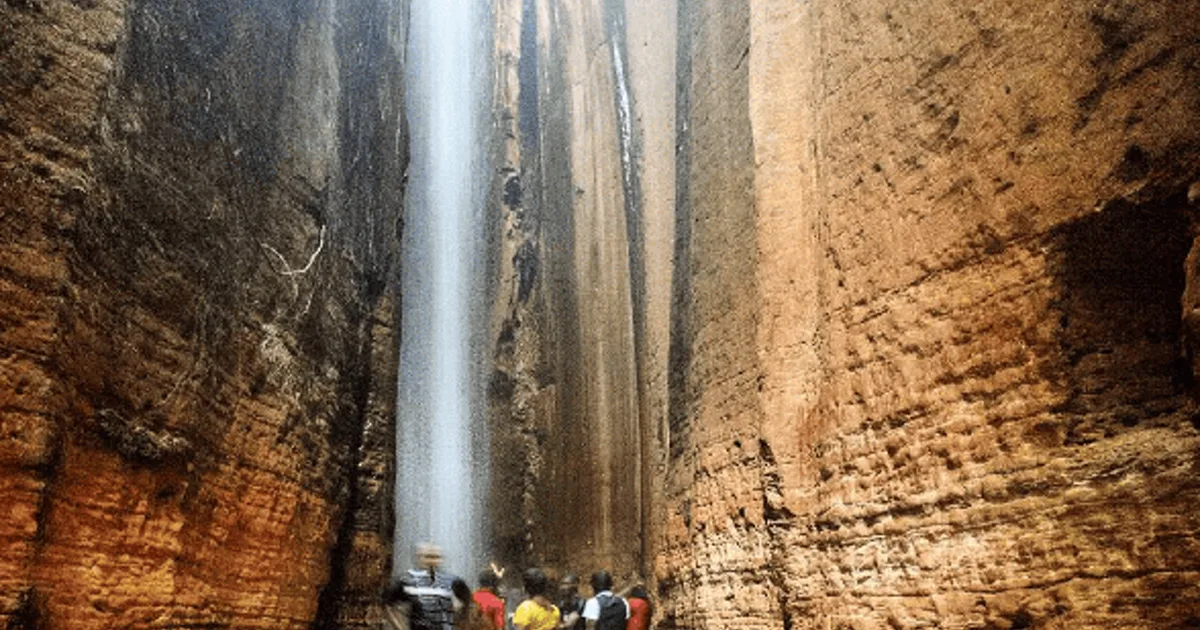
Ngwo Pine Forest is made for slow walks and photographs, with rows of tall pines creating shade. The forest is good for a picnic, but the adventure is in descending to the limestone cave. Water falls through its roof into a shallow pool before flowing away as a stream. This scene makes Ngwo a beautiful place to visit.
13. Ogbaukwu Cave and Waterfall, Anambra
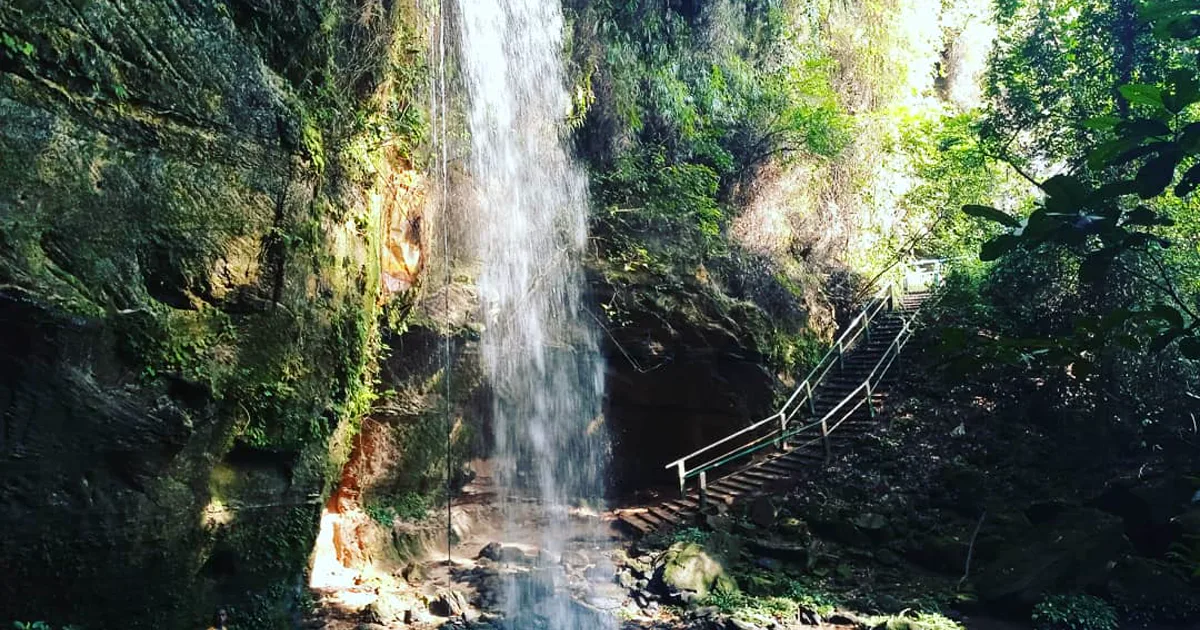
Ogbaukwu has both a cave and a waterfall within Owerre-Ezukala. Stone steps lead to a dark cave entrance, while the waterfall flows over layers of rock and falls into a pool below.
Visitors can look into the chambers, follow the rock walls, and cool off near the falls. The setting is impressive, as people claim that it is West Africa’s largest cave.
14. Oguta Lake, Imo
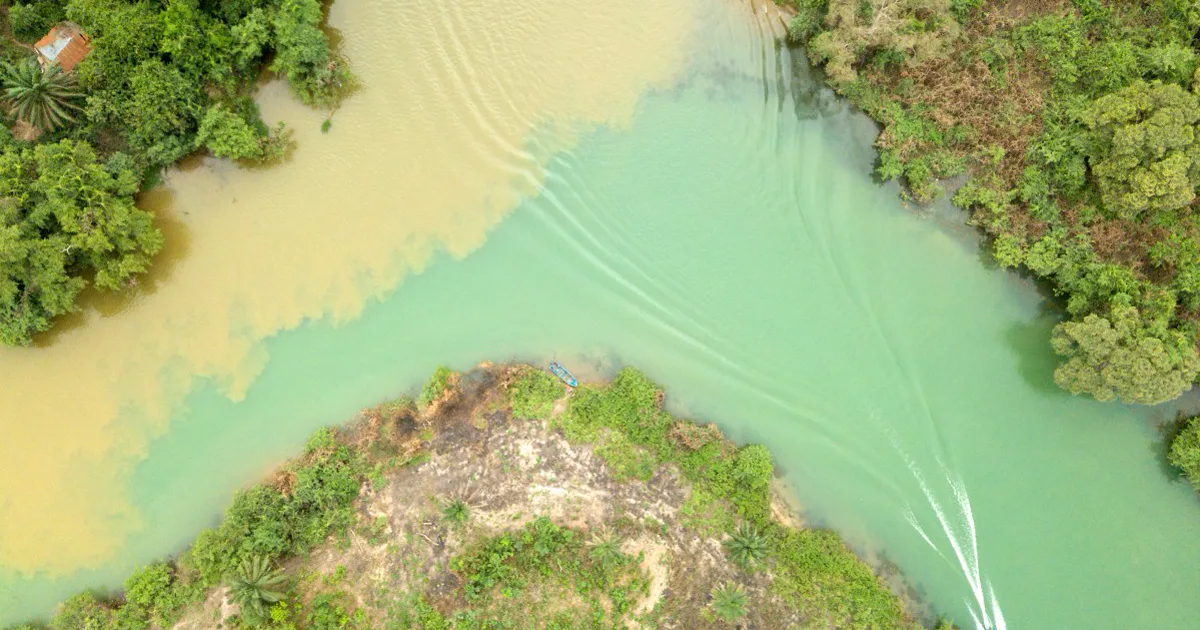
Oguta Lake is best experienced by boat. The ride opens with views of the water, green banks, and fishing communities before reaching the famous meeting point where the lake meets the Urashi River. The main attraction is the different colours and the fact that they don’t mix.
Local boat operators share the stories and beliefs connected to the water.
15. Agbokim Waterfalls, Cross River
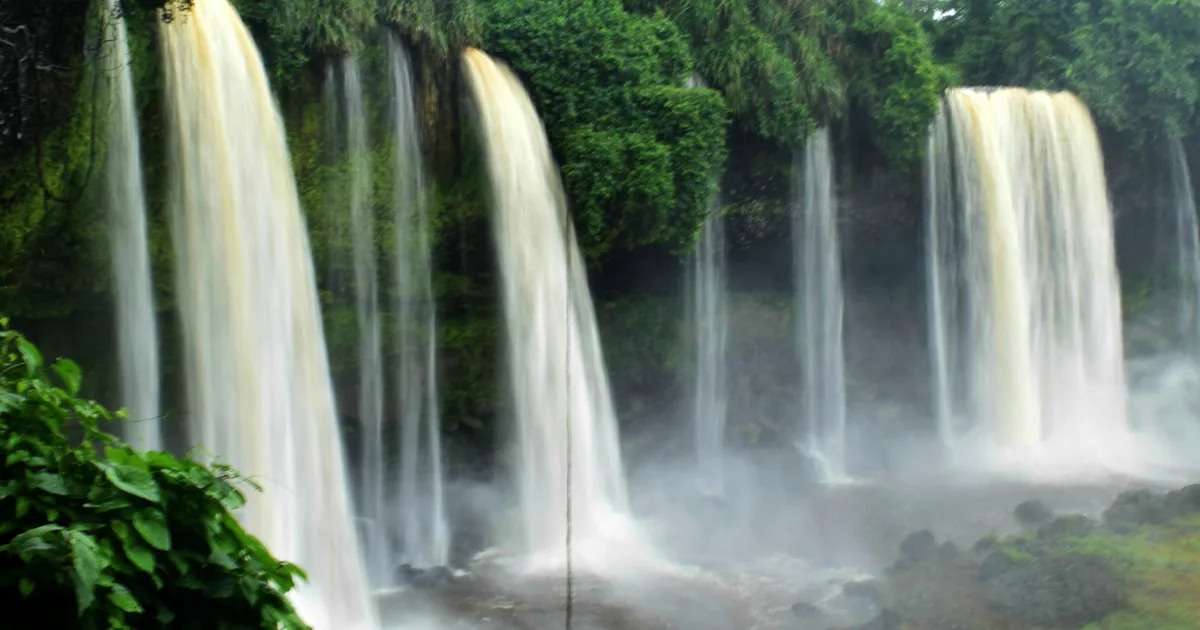
At Agbokim, seven streams spread across a cliff before dropping into the rainforest. During rainy months, the cascades combine into a wall of water, filling the air with mist and sometimes producing rainbows. You can follow the first paths and take pictures. I’d add that the pictures from this place are stunning.
Its secluded setting near Cameroon adds to the appeal.
16. Kwa Falls, Cross River
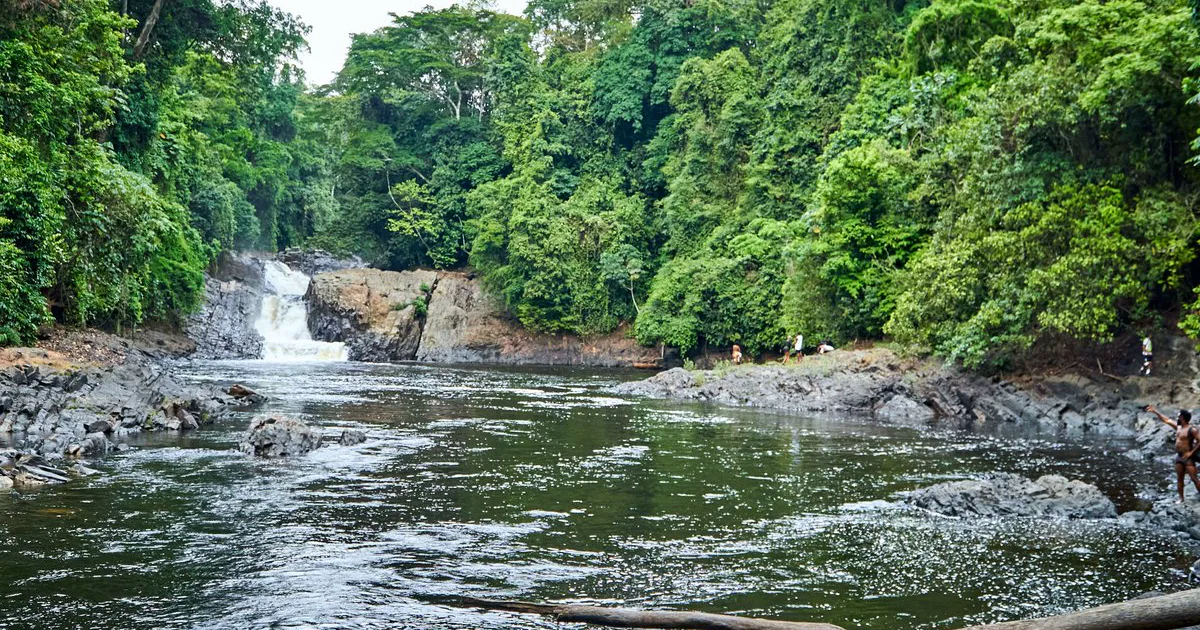
You have to walk down about 234 steps to reach Kwa Falls. The staircase passes through thick vegetation before opening onto the waterfall below. Water flows over dark rocks into a pool surrounded by forest, and the place feels hidden from everything above it.
Enjoy the view and spend some quiet time near the water, but remember that every step down has to be climbed again.
After reading this article on stunning Nigeria places, check this out: 7 Best Beach Houses and Resorts in Lagos 2026 (With Real Prices)
17. Cross River National Park, Cross River
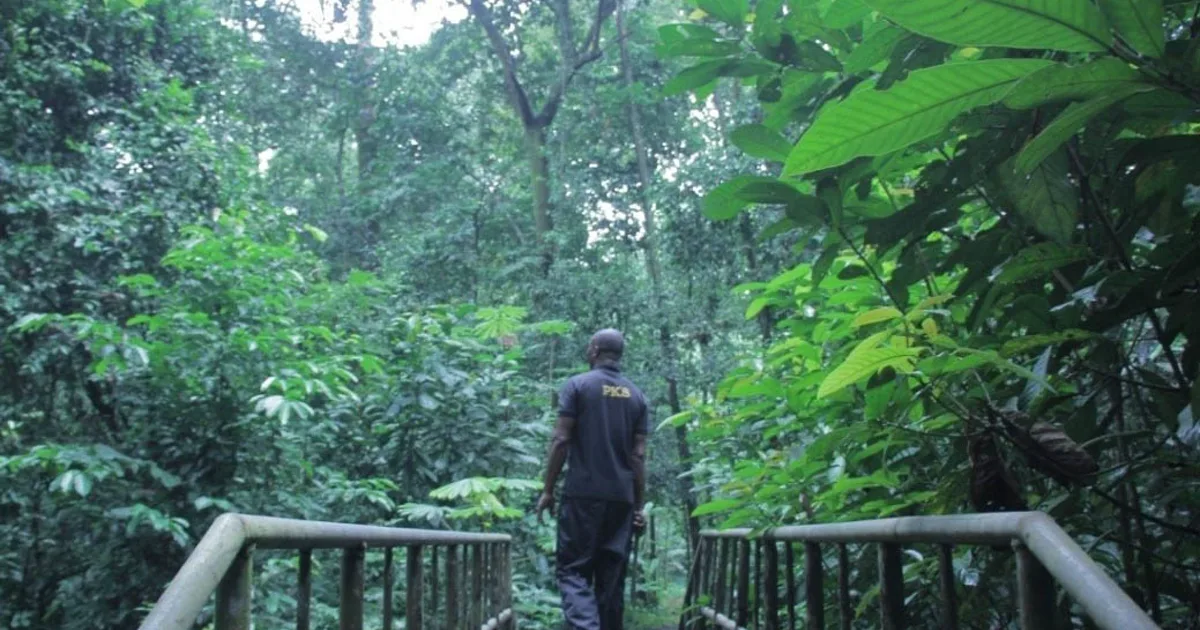
Cross River National Park shows how dense Nigeria’s rainforest can be. It covers about 4,000 square kilometres across its Oban and Okwangwo sections. Much of it is dense rainforest, home to rare primates and many bird species.
Explore with a ranger who knows the trails and can point out signs of wildlife you might miss. Animals will not necessarily appear on demand, but walking through the forest and hearing the life around you is part of the experience.
18. Okomu National Park, Edo
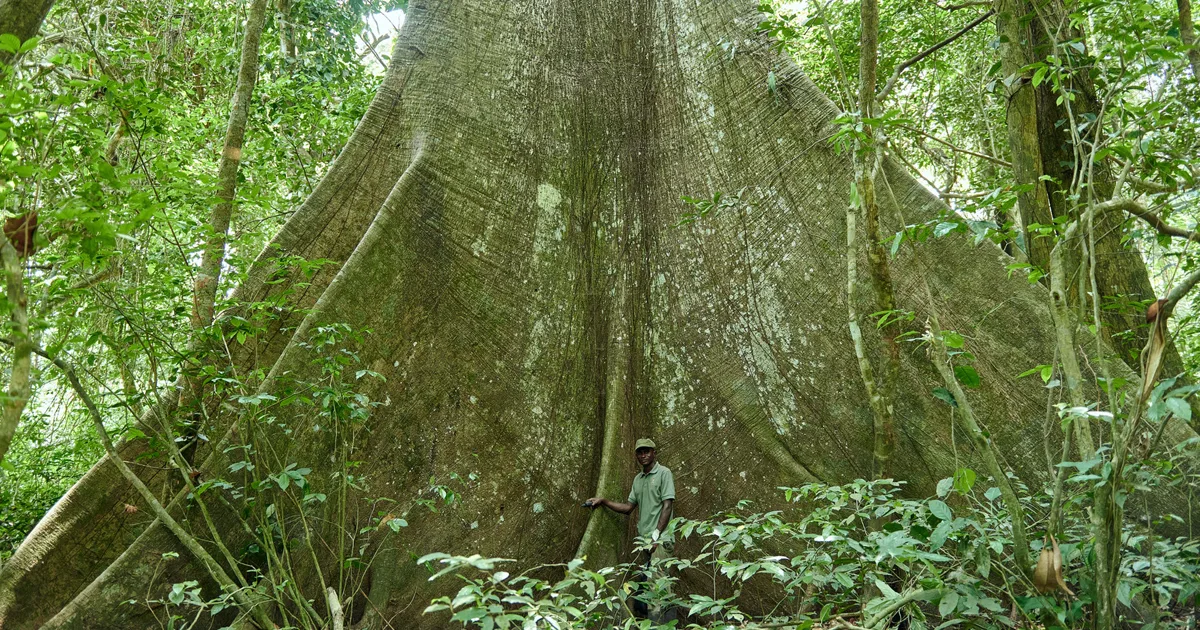
Okomu National Park protects one of the few remaining lowland rainforests west of the River Niger. Marked trails lead through the forest, where monkeys and butterflies are easier to spot than the rarer animals.
Around 150 bird species have been recorded here. You can also climb the 140-foot treehouse for a view across the trees. Even without many animal sightings, the forest itself is worth seeing.
19. Finima Nature Park on Bonny Island, Rivers
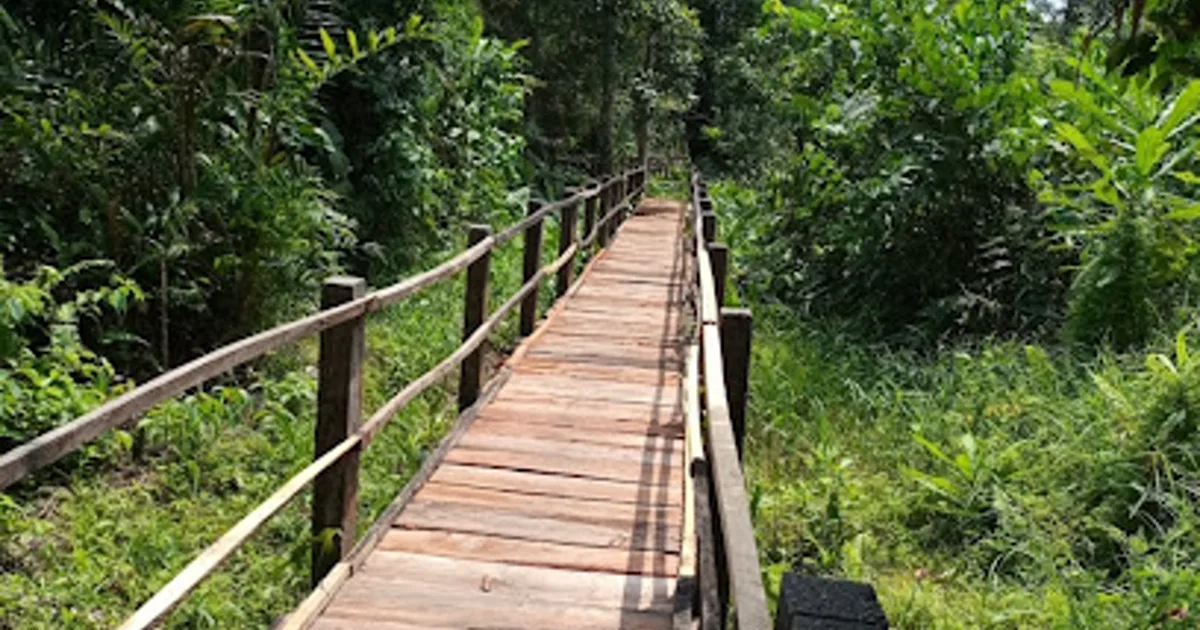
Finima Nature Park is a protected natural area on Bonny Island. More than 2 kilometres of boardwalk take you through mangroves and freshwater swamps before reaching the coastal forest. A guide can help you spot birds and smaller animals that are easy to overlook.
It is a calm place to slow down and see another side of the island. Arrange your visit through the official park.
20. Gurara Waterfalls, Niger State
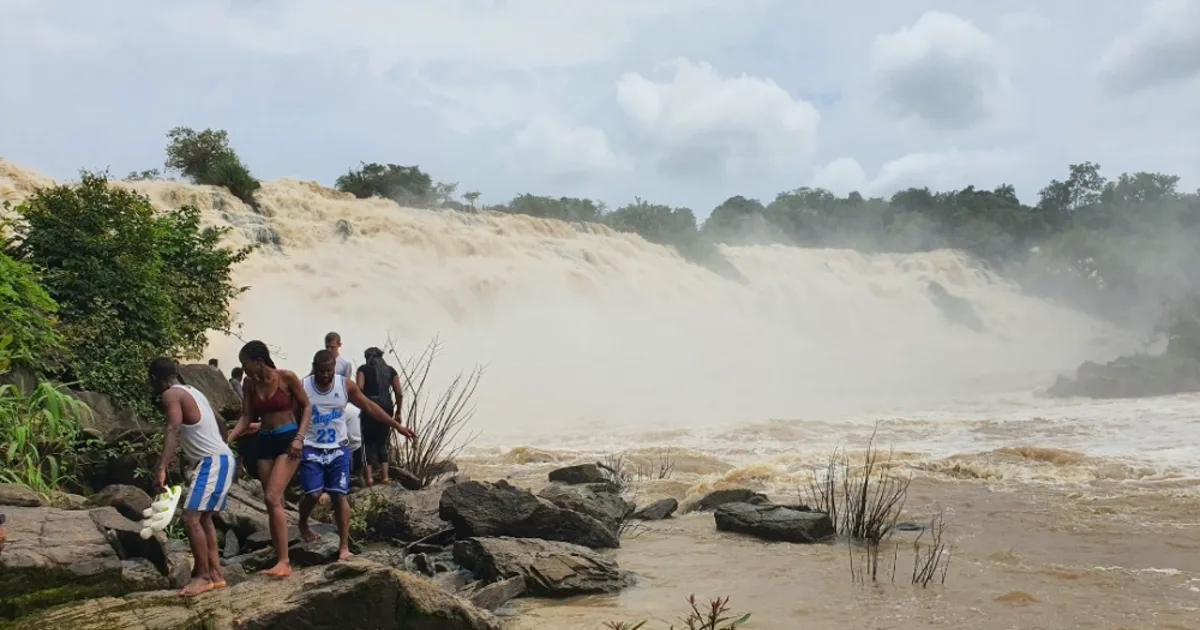
Gurara Waterfalls is one of the stunning Nigeria places that looks different depending on when you visit. During the rainy season, water spreads across a rock surface up to 200 metres wide before falling about 30 metres into the river. The falls are louder and more dramatic then.
In the dry season, more rock becomes visible, and the river is calmer. There is space nearby to enjoy the view or have a picnic.
21. Zuma Rock, Niger State
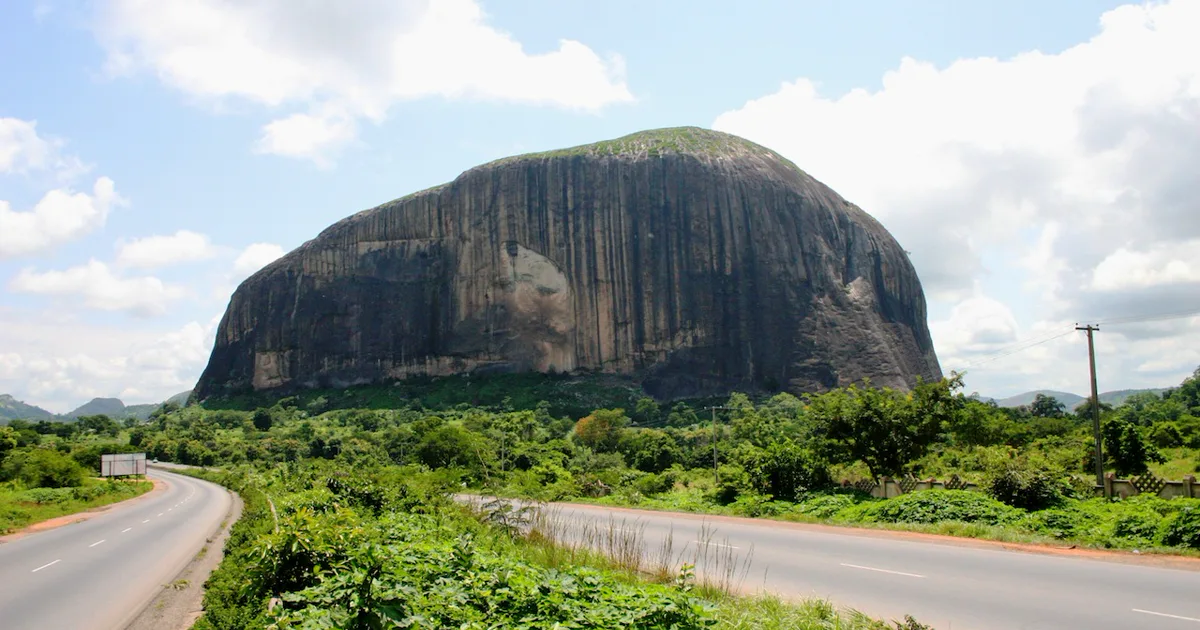
Zuma Rock rises almost 300 metres above the land around it, so it is difficult to miss from the Abuja–Kaduna road. From some angles, pale marks on its surface look like a human face.
Stop at a safe viewpoint for photographs and compare the rock with the image on Nigeria’s ₦100 note. A local guide can also explain the stories people in the area have passed down about it.
22. Mpape Crushed Rock, Abuja
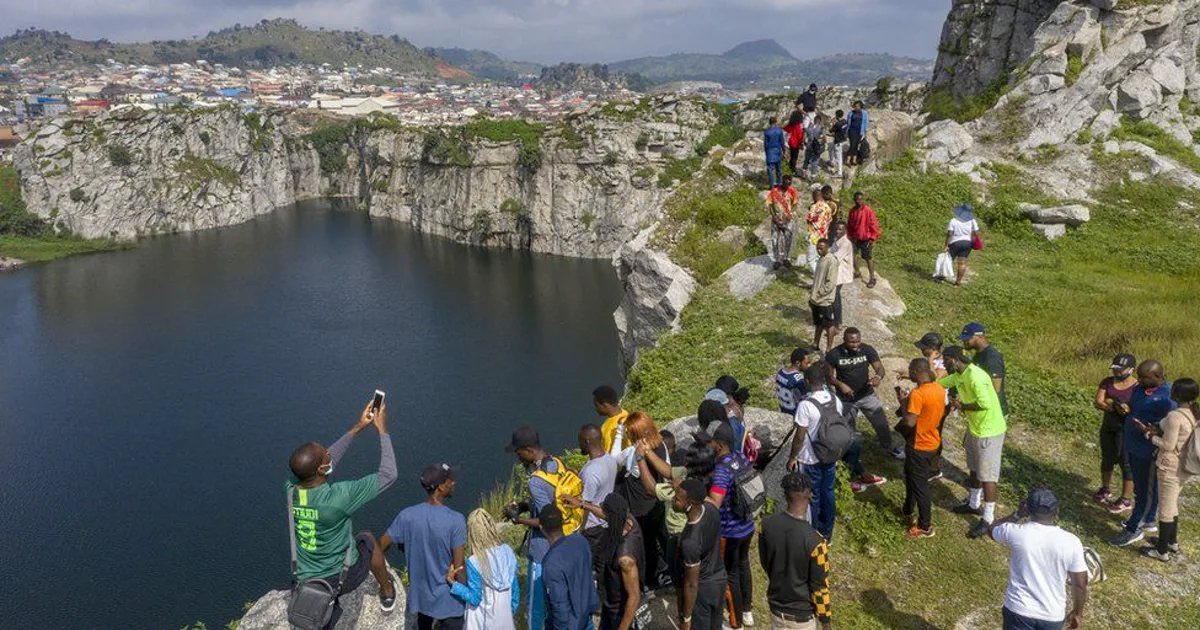
Mpape Crushed Rock is an abandoned quarry filled with blue-green water. It opened in 1977 and supplied some of the stone used to build Abuja. Today, a short walk takes visitors to a view of the lake between the steep quarry walls.
The grassy ground above is popular for picnics and photographs. The water may look inviting, but the quarry is deep and is better viewed from above.
23. Wikki Warm Spring at Yankari Game Reserve, Bauchi
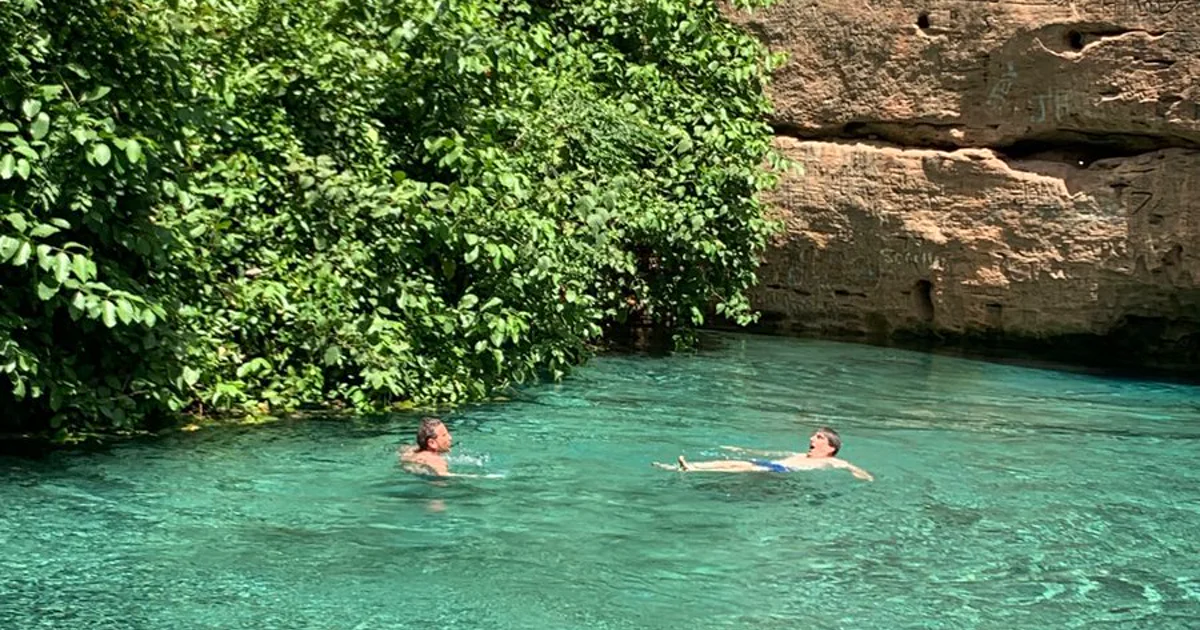
Yankari combines wildlife, warm water, and history within one reserve. There is more to do at Yankari Game Reserve than go on safari. After looking for elephants, baboons, and antelopes, you can swim in the clear water at Wikki Warm Spring.
The spring stays naturally warm and is what many visitors remember most. Yankari also has a museum, Marshall Caves, and the remains of old iron-smelting areas that tell you more about the people who once lived there.
24. Highlands of Mambilla Plateau, Taraba
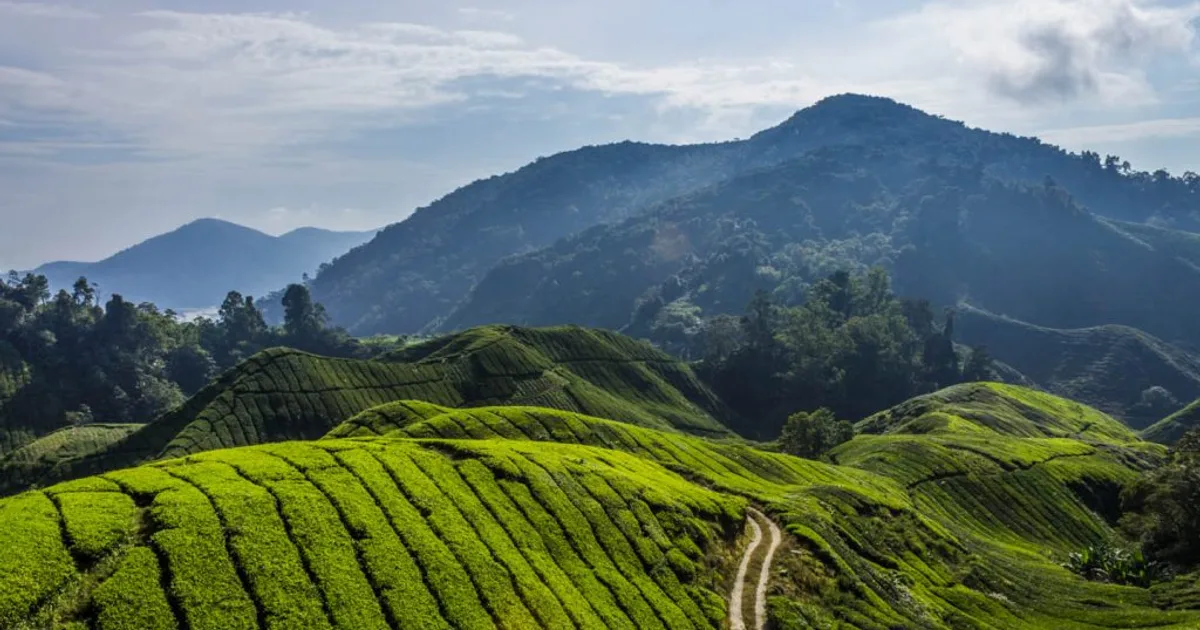
This is another stunning Nigeria places to visit. Mambilla Plateau is not one attraction that you arrive at, see, and leave. The road passes tea fields and small villages before opening to views across deep valleys. Waterfalls appear in different parts of the plateau, so stop when you can and take in the scenery.
The weather is also cooler than in many parts of Nigeria. The wider region is home to Chappal Waddi, Nigeria’s highest mountain at 2,419 metres, although climbing it requires a separate plan.
25. Sukur Cultural Landscape, Adamawa
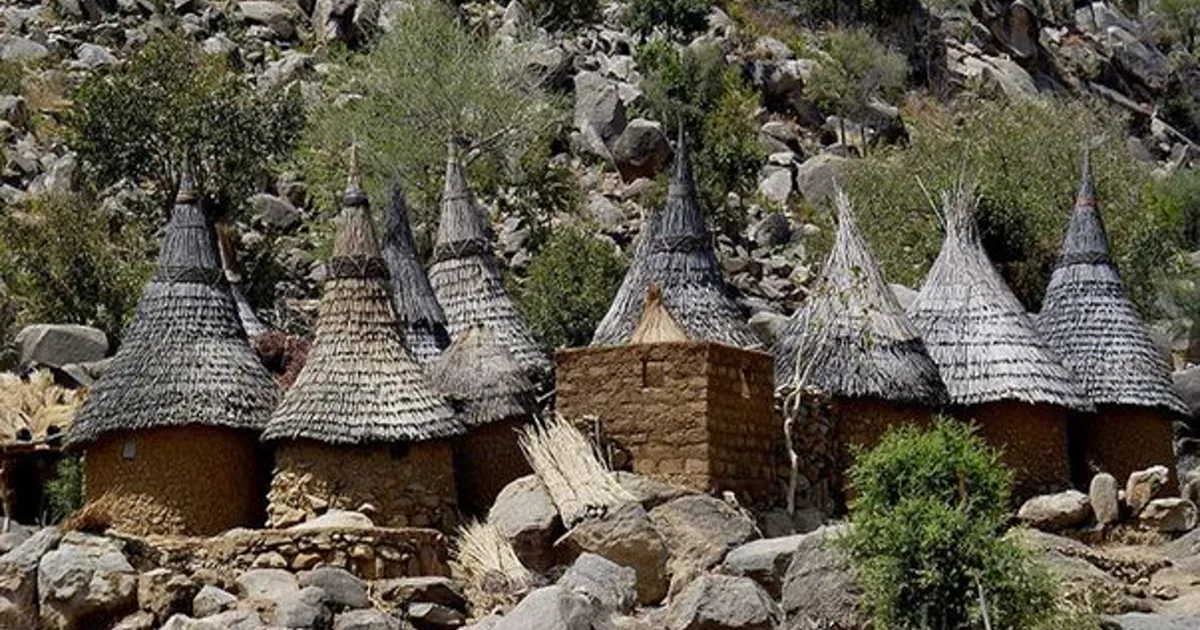
Sukur Cultural Landscape is best explored on foot. Paths made of stone lead through the community and up towards the Hidi’s Palace. You will pass homes and farms built into terraces on the hillside, along with old furnaces from the time when iron production supported the community.
UNESCO recognises how Sukur’s buildings and traditions have shaped the mountain over centuries. People still live here, so visit it as a community rather than an abandoned historical site.
Another list of stunning Nigeria places: 25 Best Things to Do in Lagos, Nigeria: A Local’s 2026 Guide
Three Mistakes to Avoid When Visiting Nigeria Places
Beautiful photographs can draw you to a place, but they do not always show the full experience. Avoid these three mistakes when you visit.
- Expecting the place to look exactly like the photographs: Agbokim and Gurara are fuller during the rainy season, while the dry season exposes more rock. Forests and highlands also change with the weather. The place may look different simply because you are seeing it in another season.
- Treating sacred places and living communities like photo sets: Osun-Osogbo is still used for worship, and people still live at Sukur. Follow local rules and ask before photographing residents or religious activities. These places are part of people’s lives, not backgrounds created for visitors.
- Looking only for the attraction everyone talks about: Lekki Conservation Centre has more than its canopy walkway, Yankari has more than Wikki Warm Spring, and Idanre is more than its 682 steps. Look beyond the famous feature and learn what else makes the place worth visiting.
Conclusion
These 25 Nigeria places cover 16 states and the FCT, yet they show only part of the country. Gurara Waterfalls and Zuma Rock grab your attention immediately. Sukur and Osun-Osogbo become even more interesting when you understand their stories.
That variety is what makes exploring Nigeria worthwhile. A cave in Anambra feels nothing like a boat ride on Oguta Lake, and neither prepares you for the hills of Mambilla. Each place shows you a different part of the country.
Start with the place that made you pause while reading and go see it for yourself. The photographs may be beautiful, but discovering a part of Nigeria you did not know is an even better reason to travel.
Frequently Asked Questions
What are the best Nigeria places to visit for a first trip?
Start with places you can combine within one region. Olumo Rock works with other stops around Abeokuta, Idanre can be planned from Akure, and Ikogosi fits an Ekiti trip. In Lagos, combine Lekki Conservation Centre with Tarkwa Bay.
Which are the best places to visit in Nigeria for nature?
Obudu, Ado-Awaye, Idanre Hills, Erin-Ijesha, Agbokim, Cross River National Park, and Okomu are strong choices. Choose based on your fitness and comfort level.
What is the best time to explore tourist attractions in Nigeria?
November to March, because there are drier roads and easier hiking conditions. Waterfalls are fuller during the rainy season, but trails become more slippery and remote roads less dependable.
How much should I budget for attraction fees in Nigeria?
There is no specific amount recorded that you can budget. A basic community gate fee may be below ₦2,000, but guides, boats, vehicles, and accommodation can raise the final cost
Sources
- Consulate General of Nigeria in New York — About Nigeria
- Reuters. 2015 Nigerian GDP Report
- Nigeria Park Service — National parks and official contacts
- UNESCO WorldService—National Heritage Convention — Nigeria